
Butterfly Weed vs Ligularia Plant Comparison
Compare these two plants side by side — care needs, key differences, and which is right for your home.
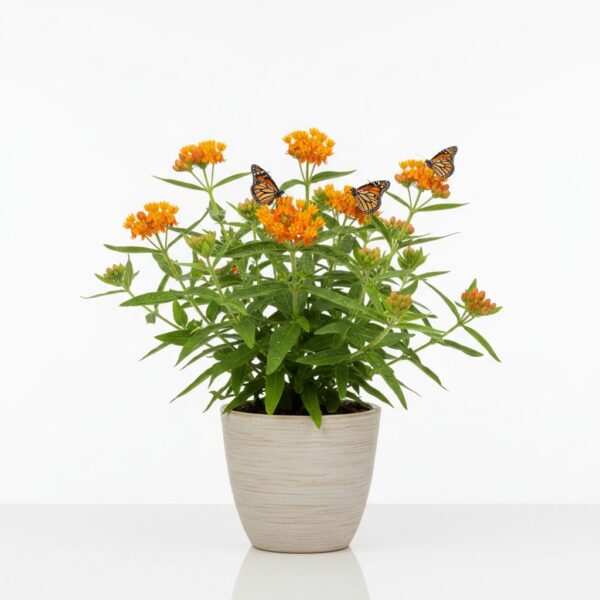
Butterfly Weed
Asclepias tuberosa
Butterfly Weed is a herbaceous perennial native to North America, known for its vibrant orange (sometimes yellow or red) flowers. It typically grows to a height of 1-3 feet with an upright, bushy habit. Unlike other milkweeds, it does not have milky sap. It's primarily an outdoor plant, valued for attracting butterflies, especially Monarchs, and other pollinators to gardens. It is grown for its bright blooms and its role as a host plant for Monarch butterfly larvae.

Ligularia
Ligularia dentata
Ligularia dentata is a clump-forming perennial known for its large, rounded, dark green leaves that can reach up to 1 foot in diameter. In late summer to early fall, it produces daisy-like, bright orange-yellow flowers on tall stalks, adding a vibrant splash of color to the garden. It's primarily an outdoor plant, valued for its bold foliage and late-season blooms. People grow it to add texture and color to shady borders and moist areas. It's not typically grown indoors due to its size and high humidity needs.
Quick Plant Comparison
| Feature | Butterfly Weed | Ligularia |
|---|---|---|
| Light | Full sun (at least 6 hours of direct sunlight daily) | Partial shade to full shade. Avoid direct sunlight, especially during the hottest part of the day. |
| Watering | Once established, water deeply every 2-4 weeks, or more frequently during prolonged dry spells. | Every 2-3 days during hot weather, every 5-7 days during cooler periods |
| Humidity | 30-50% | 60-80% |
| Temperature | 18-30°C | 16-21°C |
| Care Level | Expert | Expert |
| Growth Rate | Moderate | Moderate |
| Max Height | N/A - Primarily an outdoor plant; difficult to maintain indoors. | 60-90 cm (outdoors) |
| Pet Safety | ❌ Toxic To Pets | ❌ Toxic To Pets |
| Soil | Well-draining sandy or loamy soil. Avoid heavy clay soils. | Rich, well-draining soil with plenty of organic matter. A mix of peat moss, compost, and loam is ideal. |
| Beginner Friendly | ❌ No | ❌ No |
| Weekly Maintenance | 10 minutes weekly (weeding, deadheading, pest control) | 15 minutes weekly |
🔬 Botanical Information — Comparing These Plants
Butterfly Weed
| Scientific Name | Asclepias tuberosa |
|---|---|
| Family | Apocynaceae |
| Native To | North America |
| Also Known As | Butterfly Weed, Pleurisy Root, Orange Milkweed, Butterfly Milkweed |
| Leaves | The leaves are lance-shaped, 2-6 inches long, and arranged alternately along the stems. They are smooth, green, and have a slightly leathery texture. |
| Flowers | Butterfly Weed produces clusters of bright orange (sometimes yellow or red) flowers in umbels at the ends of the stems. Flowering typically occurs from late spring to late summer. It does not flower indoors. |
Ligularia
| Scientific Name | Ligularia dentata |
|---|---|
| Family | Asteraceae |
| Native To | China, Japan |
| Also Known As | Bigleaf Ligularia, Leopard Plant |
| Leaves | The leaves of Ligularia dentata are large, rounded, and heart-shaped, with toothed edges. They are typically dark green, but some cultivars have bronze or purple hues. The leaves can reach up to 1 foot in diameter and have a slightly glossy texture. |
| Flowers | Ligularia dentata produces daisy-like flowers in late summer to early fall. The flowers are bright orange-yellow and have a prominent central disc. They are borne on tall stalks that rise above the foliage, creating a striking display. It will not flower indoors. |
📏 Size & Growth — Plant Comparison
Butterfly Weed
Ligularia
🌱 Propagation — Comparing Plant Growth
Butterfly Weed
Methods: Seed, Root cuttings, Division
Difficulty: Moderate
Tips: For seeds, cold stratification (placing seeds in a refrigerator for several weeks) improves germination. Root cuttings should be taken in late fall or early spring. Division is best done in early spring or fall.
Ligularia
Methods: Division, Seed
Difficulty: Moderate
Tips: Divide established clumps in spring or fall. Sow seeds indoors in early spring or directly outdoors after the last frost. Ensure consistent moisture during germination.
✨ Benefits & Features — Comparing Plant Value
Butterfly Weed
Unlike many other milkweeds, Butterfly Weed has clear sap instead of milky sap. It is also known for its vibrant orange flowers, which are a favorite of butterflies.
- ✓ Attracts pollinators, supporting local ecosystems.
- ✓ Provides food and habitat for Monarch butterflies.
- ✓ Adds vibrant color to the garden.
- ✓ Drought-tolerant, reducing water consumption.
- ✓ Relatively low-maintenance once established.
- ⚠️ Toxic to pets
Ligularia
Ligularia dentata stands out due to its large, rounded leaves and vibrant orange-yellow flowers that bloom in late summer. Its bold foliage provides excellent texture and contrast in shady gardens. It is a good choice for adding late-season color when many other plants have finished blooming.
- ✓ Adds visual interest to shady areas
- ✓ Attracts pollinators
- ✓ Provides late-season color
- ✓ Creates a lush, tropical feel
- ✓ Relatively low maintenance once established
- ⚠️ Toxic to pets
📅 Maintenance Schedule — Plant Care Comparison
Butterfly Weed
Ligularia
🌞 Light Requirements
Butterfly Weed
Full sun (at least 6 hours of direct sunlight daily)
Low light tolerant: ❌ No
Ligularia
Partial shade to full shade. Avoid direct sunlight, especially during the hottest part of the day.
Low light tolerant: ❌ No
💧 Watering Needs
Butterfly Weed
Water deeply when planting and during establishment. Once established, it is drought-tolerant and prefers well-draining soil. Overwatering can lead to root rot. Check soil moisture before watering; allow the top inch or two to dry out. Signs of underwatering include wilting leaves; overwatering presents as yellowing leaves and soggy soil.
Ligularia
Keep the soil consistently moist, especially during hot weather. Water deeply when the top inch of soil feels dry. Overwatering can lead to root rot, so ensure good drainage. Underwatering will cause the leaves to wilt and brown at the edges.
🌡️ Temperature & Humidity
Butterfly Weed
Temperature: 18-30°C
Humidity: 30-50%
Ligularia
Temperature: 16-21°C
Humidity: 60-80%
🤔 Which Plant Is Right For You?
Butterfly Weed
Asclepias tuberosaGardeners looking to attract butterflies and pollinators to their outdoor gardens.
✅ Choose This Plant If...
- You want to attract Monarch butterflies to your garden.
- You have a sunny, well-drained garden space.
- You are looking for a drought-tolerant perennial.
- You want to support native pollinators.
- You appreciate vibrant orange flowers.
❌ Skip This Plant If...
- You have pets that might ingest the plant.
- You don't have a location with full sun.
- You are looking for an easy-to-grow indoor plant.
Ligularia
Ligularia dentataGardeners with shady, moist areas who want to add bold foliage and late-season color to their landscape.
✅ Choose This Plant If...
- You have a shady, moist garden area that needs a pop of color.
- You want a plant with bold, textured foliage.
- You need a plant that blooms in late summer or early fall when many other plants are finished.
- You want to attract pollinators to your garden.
- You are experienced with plants that need high humidity.
❌ Skip This Plant If...
- You have a dry garden or live in a hot, arid climate.
- You don't have a shady spot in your garden.
- You are a beginner gardener.
- You have pets that might ingest the plant.
🎯 Quick Verdict
⚡ Key Differences Between These Plants
Both plants have similar basic care requirements but differ in appearance and specific needs. Compare plants carefully to find the best fit for your space.
💡 Pro Tips For Comparing These Plants
Butterfly Weed Care Tips
Butterfly Weed is primarily an outdoor plant that thrives in full sun and well-drained soil. It is very difficult to grow indoors due to its high light requirements and dormancy needs. Attempting to grow it indoors will likely result in a weak, leggy plant that does not flower well, if at all.
- Ensure well-draining soil to prevent root rot.
- Provide full sun for optimal flowering.
- Deadhead spent flowers to encourage more blooms.
- Monitor for aphids and other pests.
- Avoid over-fertilizing, as this can reduce flowering.
Ligularia Care Tips
Ligularia dentata is primarily an outdoor plant that requires consistent moisture and shade. It's challenging to grow indoors due to its high humidity needs, large size, and sensitivity to dry air. It needs very bright indirect light, which is hard to provide indoors. Regular watering and fertilization are essential for healthy growth.
- Provide consistent moisture, especially during hot weather.
- Protect from slugs and snails.
- Divide clumps every few years to prevent overcrowding.
- Fertilize regularly during the growing season.
- Mulch around the base of the plant to retain moisture and suppress weeds.
⚠️ Common Problems & Solutions — Plant Care Comparison
Butterfly Weed
Ligularia
❓ Frequently Asked Questions — Comparing These Plants
Butterfly Weed
What are the light requirements for Butterfly Weed?
Butterfly Weed requires at least six hours of direct sunlight daily to thrive and produce abundant blooms. A sunny location is crucial for its growth and flowering potential. Insufficient light can result in leggy growth, reduced blooming, and weaker stems. When planting, choose a spot that receives full sun throughout the day. If growing in containers, rotate the plant regularly to ensure even light exposure on all sides. In areas with intense summer heat, some afternoon shade may be beneficial to prevent scorching. Observe your plant and adjust its location if needed to ensure it receives adequate sunlight.
How do I care for Butterfly Weed?
Butterfly Weed thrives in full sun and well-drained soil. Water deeply but infrequently, allowing the soil to dry out between waterings. Fertilize sparingly, if at all, as excessive fertilization can reduce flowering. Deadhead spent flowers to encourage continued blooming. Prune back stems in late fall or early spring to promote bushier growth. Provide support if needed, especially in windy areas. Monitor for pests such as aphids and treat accordingly. Ensure good air circulation to prevent fungal diseases. Butterfly Weed is relatively drought-tolerant once established, but regular watering is important during the first year. Avoid overwatering, which can lead to root rot.
How do I propagate Butterfly Weed?
Butterfly Weed can be propagated by seed, division, or root cuttings. For seed propagation, sow seeds in the fall or stratify them in the refrigerator for 30-60 days before planting in the spring. Division is best done in early spring or late fall. Carefully dig up the plant and divide the root ball into smaller sections, ensuring each section has healthy roots and stems. Replant the divisions in well-drained soil. Root cuttings can be taken in late winter or early spring. Dig up a portion of the root system and cut it into 2-3 inch sections. Plant the cuttings horizontally in a well-draining potting mix and keep them moist until new growth appears.
Ligularia
What are the light requirements for Ligularia?
Ligularia requires partial to full shade to thrive. Avoid direct sunlight, especially during the hottest part of the day, as it can scorch the leaves. An ideal location would receive morning sun or dappled shade throughout the day. In hotter climates, more shade is preferred. Insufficient light can result in fewer flowers and leggy growth. When planting, consider the angle of the sun and the amount of shade provided by nearby trees or structures. Observe the plant’s response to light levels and adjust its location if necessary. Overexposure to sun will cause the leaves to wilt and turn brown.
How do I care for Ligularia?
Ligularia thrives in partial to full shade and consistently moist soil. Water regularly, especially during dry periods, ensuring the soil never completely dries out. Amend the soil with compost or other organic matter to improve drainage and moisture retention. Fertilize in spring with a balanced, slow-release fertilizer to promote healthy growth and abundant blooms. Deadhead spent flowers to encourage further blooming and prevent self-seeding. Protect from strong winds, which can damage the large leaves. In colder climates, provide winter protection by mulching around the base of the plant. Regularly inspect for pests such as slugs and snails, and address any infestations promptly. Ligularia benefits from division every few years to maintain vigor.
How do I propagate Ligularia?
Ligularia is most commonly propagated by division in spring or fall. Carefully dig up the plant and separate the root ball into smaller sections, ensuring each section has healthy roots and foliage. Replant the divisions in well-draining soil and water thoroughly. Stem cuttings are not typically used. Keikis (small plantlets) are not naturally produced by Ligularia. For division, select healthy, mature plants. Avoid dividing during extreme temperatures. Water thoroughly after dividing and replanting. Provide shade for the newly divided plants until they establish.
Last updated: April 25, 2026 — Plant care data reviewed and verified by our editorial team.