
Bunchberry vs Pussy Willow Plant Comparison
Compare these two plants side by side — care needs, key differences, and which is right for your home.

Bunchberry
Cornus canadensis
Bunchberry is a low-growing, rhizomatous perennial herb typically reaching 4-8 inches in height. It is characterized by its four to six (usually four) prominent white bracts that surround a cluster of tiny greenish-white flowers in the spring. These flowers give way to clusters of bright red berries in late summer. Bunchberry is primarily an outdoor plant, thriving in cool, moist, and acidic woodland environments. It is grown for its attractive foliage, showy bracts, and colorful berries, adding visual interest to shaded gardens and naturalized areas. Attempting to grow it indoors is challenging due to its specific environmental needs.
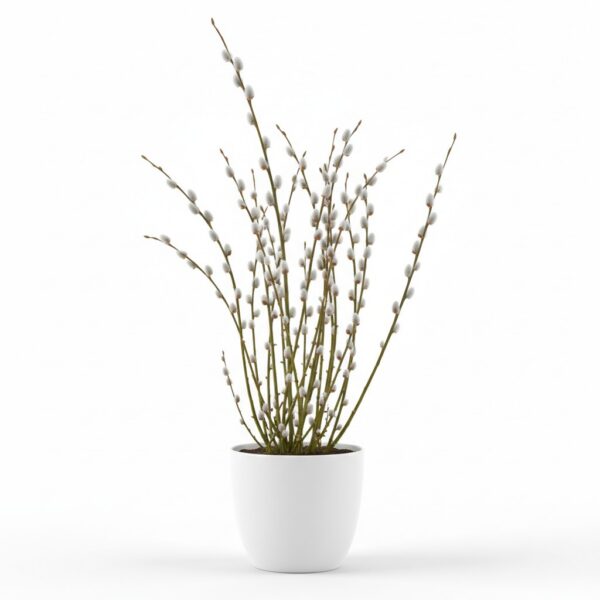
Pussy Willow
Salix discolor
Salix discolor, commonly known as Pussy Willow, is a deciduous shrub or small tree native to North America. It is characterized by its velvety, silver catkins that appear in late winter or early spring before the leaves emerge. These catkins are highly ornamental and are the primary reason people cultivate this plant. Pussy Willow is typically an outdoor plant, thriving in moist, sunny locations. While branches can be brought indoors for decorative purposes, it's not suited for long-term indoor growth due to its size and environmental needs.
Quick Plant Comparison
| Feature | Bunchberry | Pussy Willow |
|---|---|---|
| Light | Partial to full shade. Requires protection from direct sunlight, especially during the hottest part of the day. | Full sun to partial shade |
| Watering | Every 2-3 days, depending on environmental conditions and soil drainage. | Outdoors: 1-2 times per week, depending on rainfall and temperature. Cuttings in water: Change water every 2-3 days. |
| Humidity | 60-80% | 30-60% |
| Temperature | 10-18°C | 10-24°C |
| Care Level | Expert | Expert |
| Growth Rate | Moderate | Fast |
| Max Height | 4-8 inches (outdoor) | Outdoors: 2-6 meters. Indoors (cuttings): Limited lifespan, typically less than a month. |
| Pet Safety | ❌ Toxic To Pets | ❌ Toxic To Pets |
| Soil | Well-draining, acidic soil rich in organic matter. A mix of peat moss, compost, and perlite is suitable. | Well-drained, moist soil rich in organic matter. Tolerates a range of soil types, including clay and sandy soils. |
| Beginner Friendly | ❌ No | ❌ No |
| Weekly Maintenance | 15 minutes weekly (outdoor) | 30 minutes weekly (outdoor care) |
🔬 Botanical Information — Comparing These Plants
Bunchberry
| Scientific Name | Cornus canadensis |
|---|---|
| Family | Cornaceae |
| Native To | North America, Greenland, and East Asia |
| Also Known As | Bunchberry Dogwood, Dwarf Cornel, Crackerberry |
| Leaves | The leaves are oval to elliptic, 2-4 inches long, with prominent veins and a pointed tip. They are typically dark green and turn reddish-purple in the fall. |
| Flowers | Rarely flowers indoors. Outdoors, it produces small, inconspicuous greenish-white flowers clustered in the center of four to six (usually four) prominent white bracts in the spring. |
Pussy Willow
| Scientific Name | Salix discolor |
|---|---|
| Family | Salicaceae |
| Native To | North America |
| Also Known As | Pussy Willow, American Pussy Willow, Glaucous Willow |
| Leaves | The leaves are alternate, simple, lanceolate to oblong-lanceolate, and typically 5-12 cm long. They are green on the upper surface and paler, often glaucous (bluish-white), underneath. The leaf margins are finely serrated. |
| Flowers | The flowers are borne in catkins. Male and female flowers are on separate plants (dioecious). The catkins are most notable in late winter/early spring before the leaves emerge. Indoor branches will not produce true flowers, but the catkins are the main ornamental feature. |
📏 Size & Growth — Plant Comparison
Bunchberry
Pussy Willow
🌱 Propagation — Comparing Plant Growth
Bunchberry
Methods: Rhizome division, Seed
Difficulty: Moderate
Tips: Divide rhizomes in early spring or fall. Sow seeds in a cold frame in the fall. Keep the soil consistently moist during germination.
Pussy Willow
Methods: Stem cuttings
Difficulty: Easy
Tips: Take softwood cuttings in spring or hardwood cuttings in late fall or winter. Dip the cut end in rooting hormone and plant in moist soil or place in water until roots develop.
✨ Benefits & Features — Comparing Plant Value
Bunchberry
Bunchberry is a low-growing, rhizomatous perennial herb that forms colonies in woodland environments. Its showy white bracts and bright red berries provide seasonal interest, and it is an important food source for wildlife.
- ✓ Attracts pollinators
- ✓ Provides ground cover in shaded areas
- ✓ Adds seasonal interest with flowers, berries, and foliage
- ✓ Supports local ecosystems
- ✓ Offers a natural aesthetic to woodland gardens
- ⚠️ Toxic to pets
Pussy Willow
The defining characteristic of the Pussy Willow is its soft, velvety catkins that appear in late winter or early spring. These catkins are not only visually appealing but also provide an important early food source for pollinators. The plant's ability to thrive in moist conditions also sets it apart.
- ✓ Provides early spring interest with its unique catkins.
- ✓ Attracts pollinators and supports local wildlife.
- ✓ Can be used for cut flower arrangements.
- ✓ Adds a natural element to the landscape.
- ✓ Relatively easy to propagate from cuttings.
- ⚠️ Toxic to pets
📅 Maintenance Schedule — Plant Care Comparison
Bunchberry
Pussy Willow
🌞 Light Requirements
Bunchberry
Partial to full shade. Requires protection from direct sunlight, especially during the hottest part of the day.
Low light tolerant: ❌ No
Pussy Willow
Full sun to partial shade
Low light tolerant: ❌ No
💧 Watering Needs
Bunchberry
Keep the soil consistently moist but not waterlogged. Water when the top inch of soil feels dry to the touch. Overwatering can lead to root rot, while underwatering can cause the leaves to wilt and turn brown.
Pussy Willow
Pussy Willows prefer consistently moist soil, especially when young. Water deeply when the top inch of soil feels dry. Overwatering can lead to root rot, indicated by yellowing leaves and a musty smell. Underwatering results in wilting and leaf drop.
🌡️ Temperature & Humidity
Bunchberry
Temperature: 10-18°C
Humidity: 60-80%
Pussy Willow
Temperature: 10-24°C
Humidity: 30-60%
🤔 Which Plant Is Right For You?
Bunchberry
Cornus canadensisExperienced gardeners who can provide the specific environmental conditions required for this plant to thrive outdoors.
✅ Choose This Plant If...
- You have a shaded, woodland garden and want a native groundcover.
- You want to attract pollinators and birds to your garden.
- You appreciate plants with seasonal interest, from spring flowers to fall foliage and winter berries.
- You have acidic soil and want a plant that thrives in those conditions.
- You are an experienced gardener looking for a challenging plant to cultivate.
❌ Skip This Plant If...
- You are looking for an easy-to-grow indoor plant.
- You have pets that may ingest the plant.
- You do not have a cool, shaded, and acidic garden environment.
Pussy Willow
Salix discolorGardeners looking for an early spring ornamental shrub with unique catkins.
✅ Choose This Plant If...
- You want an early-blooming shrub that provides visual interest in late winter.
- You need a plant that tolerates moist soil conditions.
- You want to attract pollinators to your garden.
- You enjoy using cut branches in floral arrangements.
- You have space for a shrub that can reach a mature size of several meters.
❌ Skip This Plant If...
- You have pets that may ingest the plant.
- You lack a sunny outdoor space.
- You are looking for a low-maintenance indoor plant.
🎯 Quick Verdict
⚡ Key Differences Between These Plants
Bunchberry has moderate growth, while Pussy Willow grows fast.
💡 Pro Tips For Comparing These Plants
Bunchberry Care Tips
Bunchberry is primarily an outdoor plant and is very difficult to grow indoors. It requires cool temperatures, high humidity, acidic soil, and consistent moisture. Indoor cultivation is generally unsuccessful without specialized equipment to mimic its natural environment.
- Ensure well-draining, acidic soil by amending with peat moss and compost.
- Provide consistent moisture, especially during dry periods.
- Protect from direct sunlight, especially during the hottest part of the day.
- Apply a layer of mulch to help retain moisture and regulate soil temperature.
- Monitor for pests and diseases and treat promptly.
Pussy Willow Care Tips
Pussy Willow is primarily an outdoor plant and requires full sun and consistently moist soil. While branches can be brought indoors for decorative purposes, they will not thrive long-term. Maintaining proper humidity and preventing pests are crucial for short-term indoor displays. Due to its toxicity to pets, keep out of reach.
- Plant in a location with full sun for optimal catkin production.
- Ensure the soil remains consistently moist, especially during dry periods.
- Prune after flowering to maintain shape and encourage new growth.
- Monitor for pests and diseases and treat promptly.
- Consider planting near a water source, such as a stream or pond.
⚠️ Common Problems & Solutions — Plant Care Comparison
Bunchberry
Pussy Willow
❓ Frequently Asked Questions — Comparing These Plants
Bunchberry
What are the light requirements for Bunchberry?
Bunchberry thrives in partial to full shade. It prefers dappled sunlight or filtered light, similar to what it would receive under the canopy of a forest. Avoid exposing it to direct sunlight, especially during the hottest part of the day, as this can scorch its leaves. An east-facing location that receives morning sun is ideal. If growing indoors, place it near a north-facing window or use sheer curtains to diffuse the light. Insufficient light can lead to leggy growth and reduced flowering. Monitor the plant for signs of stress, such as pale or yellowing leaves, which may indicate too much or too little light.
How do I care for Bunchberry?
Bunchberry prefers cool, shady conditions and well-drained, acidic soil. Water regularly to keep the soil consistently moist, but avoid overwatering, which can lead to root rot. Fertilize in the spring with an acid-loving fertilizer to promote healthy growth and abundant blooms. Mulch around the base of the plant to help retain moisture and suppress weeds. Prune away any dead or damaged foliage as needed. Provide good air circulation to prevent fungal diseases. Monitor for pests and treat promptly if necessary. Ensure adequate drainage to prevent waterlogged conditions. Protect from harsh afternoon sun to prevent leaf scorch.
How do I propagate Bunchberry?
Bunchberry can be propagated through division, stem cuttings, or seeds. For division, carefully separate the rhizomes in early spring or fall and replant them in well-drained, acidic soil. For stem cuttings, take softwood cuttings in late spring and root them in a rooting hormone. Keep the cuttings moist and shaded until they develop roots. Seed propagation is more challenging and requires stratification. Collect seeds in the fall, stratify them in a cold, moist environment for several months, and then sow them in the spring.
Pussy Willow
What are the light requirements for Pussy Willow?
Pussy Willow requires bright, indirect sunlight to thrive indoors. Aim for at least 6 hours of sunlight per day. An east-facing window is ideal, providing gentle morning light. A south-facing window can also work, but be sure to filter the light with a sheer curtain to prevent scorching.
How do I care for Pussy Willow?
Pussy Willow thrives indoors with proper care. Place it in a location with bright, indirect sunlight. Water regularly, keeping the soil consistently moist but not waterlogged. Ensure adequate drainage to prevent root rot. A well-draining potting mix is essential.
How do I propagate Pussy Willow?
Pussy Willow is easily propagated through stem cuttings. Take a 6-8 inch cutting from a healthy stem, removing the lower leaves. Dip the cut end in rooting hormone and plant in a well-draining potting mix. Keep the soil consistently moist and provide bright, indirect light. Roots should develop in 4-6 weeks.
Last updated: April 28, 2026 — Plant care data reviewed and verified by our editorial team.