
Buddha's Hand vs Huckleberry Plant Comparison
Compare these two plants side by side — care needs, key differences, and which is right for your home.

Buddha's Hand
Citrus medica var. sarcodactylis
Buddha's Hand is a fragrant citrus fruit characterized by its finger-like sections. It is a shrub or small tree, typically grown outdoors in warm climates. The fruit lacks pulp and juice, and is primarily used for its zest and fragrant rind. It's grown for ornamental purposes, religious offerings (especially in Buddhist temples), and culinary applications like flavoring liqueurs, candies, and perfumes. While it can be grown in containers, it requires specific conditions to thrive indoors and may not fruit readily.
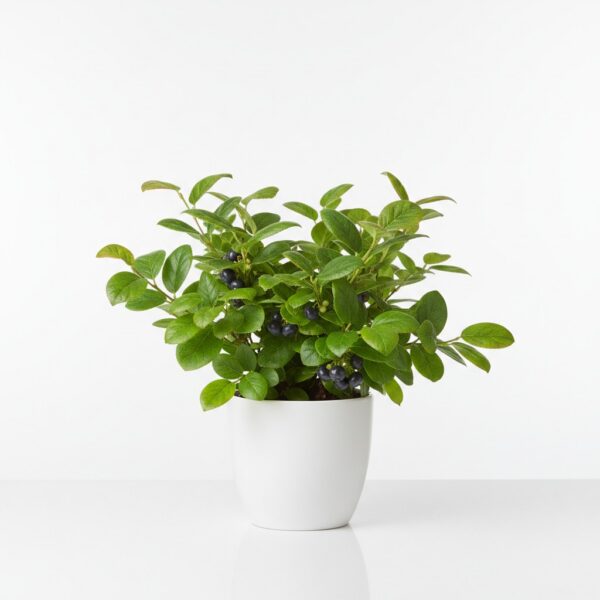
Huckleberry
Gaylussacia spp. and Vaccinium spp. (overlapping common names)
Huckleberries are a group of closely related plants in the genera *Gaylussacia* and *Vaccinium*, often confused with blueberries. They are typically shrubs or small trees, ranging in size depending on the species. Huckleberries are known for their small, flavorful berries, which are often darker and more tart than blueberries. They are primarily grown outdoors for fruit production, attracting wildlife, and ornamental value. Attempting to grow them indoors is challenging due to their specific environmental needs.
Quick Plant Comparison
| Feature | Buddha's Hand | Huckleberry |
|---|---|---|
| Light | Full sun (at least 6-8 hours of direct sunlight daily) | Full sun to partial shade (at least 6 hours of direct sunlight daily for optimal fruit production) |
| Watering | Every 1-2 weeks, depending on environmental conditions and pot size. Check soil moisture regularly. | 2-3 times per week, depending on weather and soil drainage |
| Humidity | 40-60% | 40-60% |
| Temperature | 18-29°C | 10-24°C |
| Care Level | Expert | Expert |
| Growth Rate | Moderate | Moderate |
| Max Height | 2-4 meters (outdoors); 1-2 meters (indoors in a container, but unlikely to reach full potential) | Typically 1-3 meters outdoors; significantly smaller and less vigorous indoors (if attempted) |
| Pet Safety | ❌ Toxic To Pets | ❌ Toxic To Pets |
| Soil | Well-draining citrus potting mix | Well-draining, acidic soil with a pH of 4.5-6.0 (e.g., peat moss, sand, and compost mixture) |
| Beginner Friendly | ❌ No | ❌ No |
| Weekly Maintenance | 30-60 minutes weekly | 30-60 minutes weekly (including watering, fertilizing, and pruning) |
🔬 Botanical Information — Comparing These Plants
Buddha's Hand
| Scientific Name | Citrus medica var. sarcodactylis |
|---|---|
| Family | Rutaceae |
| Native To | Northeast India or China |
| Also Known As | Buddha's Hand Citron, Fingered Citron |
| Leaves | The leaves are oblong to lance-shaped, glossy green, and have a citrusy aroma when crushed. They are typically 5-10 cm long. |
| Flowers | It produces fragrant white flowers, often tinged with purple, in spring. While it can flower indoors, fruiting is less common. |
Huckleberry
| Scientific Name | Gaylussacia spp. and Vaccinium spp. (overlapping common names) |
|---|---|
| Family | Ericaceae |
| Native To | North America, South America, Eurasia |
| Also Known As | Huckleberry, Bilberry, Whortleberry |
| Leaves | The leaves are typically small, oval-shaped, and alternate along the stems. Leaf color varies depending on the species, ranging from green to bluish-green, and some varieties have reddish fall foliage. |
| Flowers | Huckleberries produce small, bell-shaped flowers in spring, typically white or pink. Flowering is rare indoors. |
📏 Size & Growth — Plant Comparison
Buddha's Hand
Huckleberry
🌱 Propagation — Comparing Plant Growth
Buddha's Hand
Methods: Seed, grafting, air layering, cuttings (difficult)
Difficulty: Difficult
Tips: Grafting is the most reliable method. Cuttings require rooting hormone and a humid environment. Seeds may not produce true-to-type offspring.
Huckleberry
Methods: Seed, stem cuttings, layering, division (for rhizomatous species)
Difficulty: Moderate
Tips: For stem cuttings, take semi-hardwood cuttings in late spring or early summer. Dip in rooting hormone and plant in a well-draining medium. Keep moist and warm. Seed propagation requires stratification and can be slow.
✨ Benefits & Features — Comparing Plant Value
Buddha's Hand
The most striking feature is its fruit, which is segmented into finger-like projections. The fruit is almost entirely rind and pith, lacking significant pulp or juice. The intense fragrance of the fruit is also a unique characteristic.
- ✓ Fragrant fruit enhances the home with a citrus aroma.
- ✓ Unique appearance adds visual interest to the garden or home.
- ✓ Zest and rind can be used in cooking and baking.
- ✓ Can be used in religious ceremonies and offerings.
- ✓ Provides a sense of accomplishment for experienced gardeners.
- ⚠️ Toxic to pets
Huckleberry
Huckleberries are known for their tart, flavorful berries, which are often darker and more intense than blueberries. They require acidic soil conditions to thrive, making them a unique addition to gardens with specific soil needs.
- ✓ Provides edible berries rich in antioxidants.
- ✓ Attracts pollinators and beneficial insects to the garden.
- ✓ Offers beautiful foliage with seasonal color changes.
- ✓ Supports local wildlife by providing food and habitat.
- ✓ Enhances the aesthetic appeal of the garden with its natural form.
- ⚠️ Toxic to pets
📅 Maintenance Schedule — Plant Care Comparison
Buddha's Hand
Huckleberry
🌞 Light Requirements
Buddha's Hand
Full sun (at least 6-8 hours of direct sunlight daily)
Low light tolerant: ❌ No
Huckleberry
Full sun to partial shade (at least 6 hours of direct sunlight daily for optimal fruit production)
Low light tolerant: ❌ No
💧 Watering Needs
Buddha's Hand
Water thoroughly when the top inch of soil is dry. Avoid overwatering, which can lead to root rot. Allow excess water to drain away. Signs of underwatering include wilting leaves. Signs of overwatering include yellowing leaves and a musty smell from the soil.
Huckleberry
Water deeply when the top inch of soil feels dry. Avoid overwatering, which can lead to root rot. Huckleberries prefer slightly acidic soil that is consistently moist but well-drained. Signs of underwatering include wilting leaves and dry, shriveled berries. Overwatering can cause yellowing leaves and root rot.
🌡️ Temperature & Humidity
Buddha's Hand
Temperature: 18-29°C
Humidity: 40-60%
Huckleberry
Temperature: 10-24°C
Humidity: 40-60%
🤔 Which Plant Is Right For You?
Buddha's Hand
Citrus medica var. sarcodactylisExperienced gardeners in warm climates who want a unique and fragrant citrus fruit.
✅ Choose This Plant If...
- You live in a warm climate with plenty of sunshine.
- You want a unique and fragrant citrus fruit.
- You are an experienced gardener looking for a challenge.
- You appreciate the ornamental value of the plant.
- You want to use the zest and rind in culinary applications.
❌ Skip This Plant If...
- You live in a cold climate with limited sunlight.
- You are a beginner gardener.
- You have pets that may ingest the plant.
- You don't have the space or resources for a high-maintenance plant.
Huckleberry
Gaylussacia spp. and Vaccinium spp. (overlapping common names)Gardeners with experience growing acid-loving plants in outdoor settings.
✅ Choose This Plant If...
- You want to harvest your own delicious berries.
- You have acidic soil in your garden.
- You want to attract birds and other wildlife to your yard.
- You are experienced with growing acid-loving plants.
- You have a sunny location suitable for huckleberries.
❌ Skip This Plant If...
- You do not have a suitable outdoor location with acidic soil.
- You are looking for an easy-to-grow indoor plant.
- You have pets that might ingest the plant.
- You live in a climate with extremely hot or dry summers.
- You don't have the time to provide specialized care.
🎯 Quick Verdict
⚡ Key Differences Between These Plants
Both plants have similar basic care requirements but differ in appearance and specific needs. Compare plants carefully to find the best fit for your space.
💡 Pro Tips For Comparing These Plants
Buddha's Hand Care Tips
Buddha's Hand is challenging to grow indoors due to its high light requirements and susceptibility to pests. It needs consistent care, including proper watering, fertilization, and pest control. Fruiting indoors is rare. Primarily an outdoor plant.
- Provide consistent watering and fertilization during the growing season.
- Protect from frost in colder climates.
- Prune regularly to maintain shape and encourage fruiting.
- Monitor for pests and diseases and treat promptly.
- Ensure adequate drainage to prevent root rot.
Huckleberry Care Tips
Huckleberries are challenging to grow indoors due to their high light requirements, need for acidic soil, and dormancy requirements. They are best suited for outdoor cultivation in appropriate climates. Indoor attempts require specialized care and are often unsuccessful.
- Test your soil pH regularly and amend as needed to maintain acidity.
- Water deeply and consistently, especially during dry periods.
- Fertilize with an acid-loving plant fertilizer in spring and summer.
- Prune annually to remove dead or damaged wood and improve air circulation.
- Protect from pests and diseases with appropriate treatments.
⚠️ Common Problems & Solutions — Plant Care Comparison
Buddha's Hand
Huckleberry
❓ Frequently Asked Questions — Comparing These Plants
Buddha's Hand
What are the light requirements for Buddha's Hand?
Buddha’s Hand requires bright, indirect sunlight to thrive and produce fruit. Aim for at least 6 hours of sunlight per day. An east- or west-facing window is ideal, providing ample light without direct harsh sun. If growing indoors, supplement with a grow light, especially during winter months or in areas with limited natural light.
How do I care for Buddha's Hand?
Buddha’s Hand thrives in bright, indirect sunlight; provide at least 6 hours daily. Water thoroughly when the top inch of soil is dry, ensuring good drainage to prevent root rot. Maintain moderate humidity, ideally around 50-60%, using a humidifier if needed. Fertilize monthly during the growing season (spring and summer) with a balanced citrus fertilizer, reducing frequency in fall and winter.
How do I propagate Buddha's Hand?
Buddha’s Hand can be propagated through stem cuttings. Take 4-6 inch cuttings from healthy, new growth. Remove the lower leaves and dip the cut end in rooting hormone. Plant the cutting in a well-draining potting mix. Keep the soil consistently moist and provide high humidity by covering the cutting with a plastic bag or humidity dome.
Huckleberry
What are the light requirements for Huckleberry?
Huckleberries require adequate light to produce abundant blooms and berries. Aim for at least six hours of direct sunlight per day, although they can tolerate partial shade, particularly in hotter climates. Insufficient light can result in reduced flowering and fruit production. When growing huckleberries indoors (which is not common but possible), use grow lights to supplement natural light, especially during winter months. Rotate the plant regularly to ensure even light exposure on all sides. South-facing windows are ideal, but be mindful of potential scorching during peak sunlight hours.
How do I care for Huckleberry?
Huckleberries thrive in acidic soil with a pH between 4.5 and 6.0. Plant in a location that receives full sun to partial shade, ideally with morning sun and afternoon shade in hotter climates. Water deeply and regularly, especially during dry periods, keeping the soil consistently moist but not waterlogged. Fertilize in early spring with an acid-loving fertilizer, following package instructions. Prune annually in late winter or early spring to remove dead or damaged wood and to promote air circulation. Mulch around the base of the plant with pine needles or other acidic organic matter to help retain moisture and suppress weeds. Protect from harsh winter winds.
How do I propagate Huckleberry?
Huckleberries can be propagated through several methods.
Last updated: April 21, 2026 — Plant care data reviewed and verified by our editorial team.