
Bronze Leaf Begonia vs Portulaca Plant Comparison
Compare these two plants side by side — care needs, key differences, and which is right for your home.

Bronze Leaf Begonia
Begonia erythrophylla
Begonia erythrophylla, commonly known as Beefsteak Begonia or Bronze Leaf Begonia, is a rhizomatous begonia prized for its attractive foliage. It features large, rounded, glossy leaves that are dark green or bronze-green on the upper surface and reddish-purple underneath, giving it the 'beefsteak' appearance. This plant typically grows in a mounding habit. While it can be grown indoors, it thrives best with consistent humidity and bright, indirect light. People grow it for its ornamental leaves and relatively easy care.
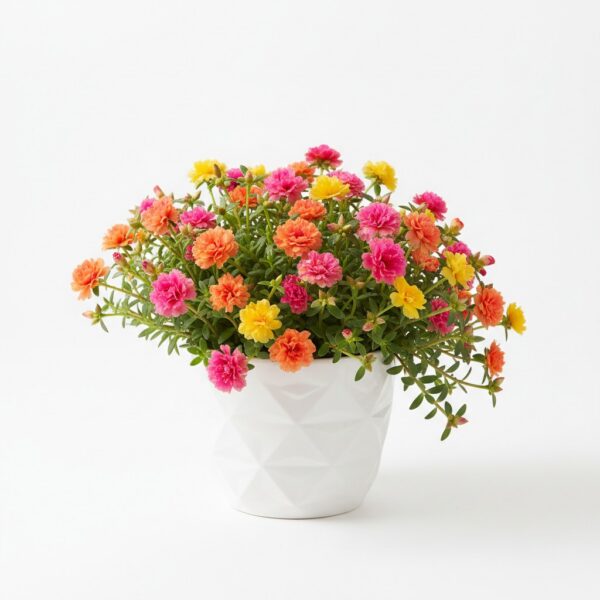
Portulaca
Portulaca oleracea
Portulaca oleracea, commonly known as purslane, is a succulent annual plant. It features smooth, reddish stems and fleshy, paddle-shaped green leaves. It grows prostrate, spreading along the ground. While often considered a weed, it's also cultivated as a leafy vegetable and ornamental plant. People grow it for its edible leaves and stems, which have a slightly sour and salty taste. It produces small yellow flowers that open only on sunny mornings. It is primarily an outdoor plant.
Quick Plant Comparison
| Feature | Bronze Leaf Begonia | Portulaca |
|---|---|---|
| Light | Bright, indirect light. Avoid direct sunlight, which can scorch the leaves. | Full sun (at least 6-8 hours of direct sunlight daily) |
| Watering | Every 7-10 days, depending on environmental conditions. | Every 2-3 days in hot weather, less frequently in cooler conditions. |
| Humidity | 50-70% | 30-50% |
| Temperature | 18-24°C | 20-30°C |
| Care Level | Moderate | Expert |
| Growth Rate | Moderate | Fast |
| Max Height | 30-45 cm | 15-30 cm |
| Pet Safety | ❌ Toxic To Pets | ❌ Toxic To Pets |
| Soil | Well-draining potting mix, such as a mix of peat moss, perlite, and vermiculite. | Well-draining soil, such as a sandy loam or cactus mix. |
| Beginner Friendly | With Caution | ❌ No |
| Weekly Maintenance | 10 minutes weekly | 5-10 minutes weekly |
🔬 Botanical Information — Comparing These Plants
Bronze Leaf Begonia
| Scientific Name | Begonia erythrophylla |
|---|---|
| Family | Begoniaceae |
| Native To | Hybrid origin; not found in the wild. Developed in the 19th century. |
| Also Known As | Beefsteak Begonia, Bronze Leaf Begonia |
| Leaves | The leaves are large, rounded, and glossy, typically measuring 10-15 cm in diameter. The upper surface is dark green or bronze-green, while the underside is a striking reddish-purple. The texture is smooth and slightly fleshy. |
| Flowers | While it can flower indoors, the flowers are not the main attraction. They are typically small, pink or white, and appear in clusters. Flowering is more common under optimal growing conditions. |
Portulaca
| Scientific Name | Portulaca oleracea |
|---|---|
| Family | Portulacaceae |
| Native To | Widespread, exact origin uncertain, possibly Mediterranean or Asia |
| Also Known As | Purslane, Verdolaga, Pigweed, Little Hogweed |
| Leaves | The leaves of purslane are fleshy, smooth, and paddle-shaped, typically 2-3 cm long. They are usually green but can have a reddish tinge. The leaves are arranged alternately along the stems. |
| Flowers | Purslane produces small, yellow flowers that open only on sunny mornings. The flowers are about 0.5-1 cm in diameter and have five petals. Flowering typically occurs in summer. |
📏 Size & Growth — Plant Comparison
Bronze Leaf Begonia
Portulaca
🌱 Propagation — Comparing Plant Growth
Bronze Leaf Begonia
Methods: Leaf cuttings, Rhizome division
Difficulty: Moderate
Tips: For leaf cuttings, cut a leaf into wedges, ensuring each wedge has a vein. Place the wedges on a moist potting mix and cover with a plastic dome to maintain humidity. For rhizome division, carefully separate the rhizome into sections, ensuring each section has roots and leaves. Plant each section in its own pot.
Portulaca
Methods: Stem cuttings, Seed
Difficulty: Easy
Tips: Stem cuttings root easily in water or directly in soil. Allow cuttings to callous over for a day before planting. Sow seeds directly into the soil after the last frost.
✨ Benefits & Features — Comparing Plant Value
Bronze Leaf Begonia
The Bronze Leaf Begonia is unique for its striking foliage with contrasting colors on the upper and lower surfaces of the leaves. Its rhizomatous growth habit also distinguishes it from other types of begonias, allowing for easy propagation through rhizome division.
- ✓ Adds visual interest with its unique foliage.
- ✓ Relatively easy to propagate, allowing you to expand your collection.
- ✓ Can improve indoor humidity levels.
- ✓ Provides a calming and natural element to your living space.
- ✓ Offers a sense of accomplishment through successful plant care.
- ⚠️ Toxic to pets
Portulaca
Purslane is a succulent annual plant that is both edible and drought-tolerant. It is often considered a weed but is also cultivated for its nutritional value and ornamental appeal. Its ability to thrive in hot, dry conditions makes it a unique and valuable plant.
- ✓ Edible leaves and stems
- ✓ Drought tolerance
- ✓ High in omega-3 fatty acids
- ✓ Attracts pollinators
- ✓ Easy to propagate
- ⚠️ Toxic to pets
📅 Maintenance Schedule — Plant Care Comparison
Bronze Leaf Begonia
Portulaca
🌞 Light Requirements
Bronze Leaf Begonia
Bright, indirect light. Avoid direct sunlight, which can scorch the leaves.
Low light tolerant: ❌ No
Portulaca
Full sun (at least 6-8 hours of direct sunlight daily)
Low light tolerant: ❌ No
💧 Watering Needs
Bronze Leaf Begonia
Water thoroughly when the top inch of soil feels dry to the touch. Ensure good drainage to prevent root rot. Overwatering can lead to yellowing leaves and stem rot, while underwatering causes wilting and crispy edges.
Portulaca
Water thoroughly when the soil is dry to the touch. Avoid overwatering, as this can lead to root rot. Allow the soil to dry out slightly between waterings. Signs of overwatering include yellowing leaves and a mushy stem. Underwatering is indicated by wilting and shriveled leaves.
🌡️ Temperature & Humidity
Bronze Leaf Begonia
Temperature: 18-24°C
Humidity: 50-70%
Portulaca
Temperature: 20-30°C
Humidity: 30-50%
🤔 Which Plant Is Right For You?
Bronze Leaf Begonia
Begonia erythrophyllaPlant enthusiasts who appreciate unique foliage and are willing to provide the necessary humidity and light conditions.
✅ Choose This Plant If...
- You love plants with interesting foliage and colors.
- You can provide bright, indirect light and consistent humidity.
- You are looking for a plant that is relatively easy to propagate.
- You want a plant that can add a touch of elegance to your indoor space.
- You are experienced with basic houseplant care.
❌ Skip This Plant If...
- You have pets that might ingest the plant.
- You struggle to maintain consistent watering schedules.
- You cannot provide adequate humidity.
Portulaca
Portulaca oleraceaGardeners looking for an edible ground cover or a drought-tolerant plant for sunny locations.
✅ Choose This Plant If...
- You want an edible ground cover
- You need a drought-tolerant plant
- You enjoy the slightly sour taste of purslane
- You have a very sunny outdoor space
- You want a plant rich in omega-3 fatty acids
❌ Skip This Plant If...
- You have pets that might ingest it
- You don't have a very sunny outdoor space
- You dislike plants that spread aggressively
🎯 Quick Verdict
⚡ Key Differences Between These Plants
Bronze Leaf Begonia is rated Moderate care level, while Portulaca is Expert.
Bronze Leaf Begonia has moderate growth, while Portulaca grows fast.
💡 Pro Tips For Comparing These Plants
Bronze Leaf Begonia Care Tips
Bronze Leaf Begonia is relatively easy to care for, but requires bright, indirect light and consistent moisture without overwatering. Maintaining adequate humidity is crucial, especially indoors. It is toxic to pets, so keep it out of reach.
- Use a well-draining potting mix to prevent root rot.
- Maintain consistent humidity levels by using a humidifier or placing the plant on a pebble tray.
- Avoid getting water on the leaves, as this can lead to fungal diseases.
- Rotate the plant regularly to ensure even growth.
- Fertilize sparingly during the growing season to avoid fertilizer burn.
Portulaca Care Tips
Purslane is easy to grow outdoors in full sun and well-draining soil. However, it is challenging to grow indoors due to its high light requirements. It needs very bright light and is prone to pests and diseases if not properly ventilated. It can also spread aggressively.
- Provide at least 6 hours of direct sunlight daily.
- Ensure well-draining soil to prevent root rot.
- Water deeply but infrequently, allowing the soil to dry out between waterings.
- Fertilize regularly during the growing season with a balanced liquid fertilizer.
- Pinch back stems to encourage bushier growth.
⚠️ Common Problems & Solutions — Plant Care Comparison
Bronze Leaf Begonia
Portulaca
❓ Frequently Asked Questions — Comparing These Plants
Bronze Leaf Begonia
What are the light requirements for Bronze Leaf Begonia?
The Bronze Leaf Begonia thrives in bright, indirect light. Direct sunlight can scorch the leaves, causing unsightly brown spots. Ideal placement would be near an east- or west-facing window where the plant receives filtered sunlight. A north-facing window can also work, but the plant may not bloom as profusely.
How do I care for Bronze Leaf Begonia?
The Bronze Leaf Begonia thrives in bright, indirect light. Avoid direct sunlight, which can scorch the leaves. Water when the top inch of soil feels dry to the touch, allowing excess water to drain away to prevent root rot. Maintain humidity levels of 50-60%.
How do I propagate Bronze Leaf Begonia?
Bronze Leaf Begonias can be propagated by division, stem cuttings, or leaf cuttings. For division, carefully separate the root ball of a mature plant into smaller sections, ensuring each section has healthy roots and leaves. Repot each section into its own container with fresh potting mix.
Portulaca
What are the light requirements for Portulaca?
Portulaca succulents demand abundant sunlight to flourish. Ideally, they should receive at least 6-8 hours of direct sunlight each day. Insufficient light will result in leggy growth, reduced flowering, and faded colors. When grown indoors, place them near a south-facing window where they can bask in the sun’s rays. If natural light is limited, consider supplementing with a grow light. Rotate the plant regularly to ensure even exposure to light. The intensity of the light directly impacts the vibrancy of the blooms, so prioritizing sunlight is crucial for healthy growth and abundant flowering.
How do I care for Portulaca?
Portulaca succulents are relatively easy to care for, thriving in bright sunlight and well-draining soil. Water thoroughly when the soil is completely dry, typically every 1-2 weeks, and reduce watering during the dormant winter months. Ensure the pot has drainage holes to prevent root rot. Provide at least 6 hours of direct sunlight daily for optimal flowering. Fertilize sparingly during the growing season (spring and summer) with a diluted succulent fertilizer. Prune leggy growth to encourage bushier growth and more abundant blooms. Protect from frost as they are not cold-hardy. Repot only when the plant becomes root-bound. Avoid overwatering, which is the most common cause of problems.
How do I propagate Portulaca?
Portulaca succulents are easily propagated through stem cuttings or seeds. For stem cuttings, take a 2-3 inch cutting from a healthy stem. Allow the cut end to callous over for a day or two. Plant the cutting in well-draining soil and water lightly. Keep the soil slightly moist until roots develop, which usually takes a few weeks. Leaf cuttings can be attempted, but are less reliable. Simply place a leaf on top of well-draining soil and wait for roots to form. Offsets are rare but can be carefully separated from the main plant and planted in their own pot. Ensure the cutting receives bright, indirect light during the propagation process.
Last updated: May 20, 2026 — Plant care data reviewed and verified by our editorial team.