
Broccoli vs Painted Tongue Plant Comparison
Compare these two plants side by side — care needs, key differences, and which is right for your home.

Broccoli
Brassica oleracea var. italica
Broccoli is an annual cool-season vegetable belonging to the cabbage family. It features a central green head of tightly packed flower buds, surrounded by leaves. It's cultivated for its edible flower heads and stalks. Broccoli is primarily grown outdoors in gardens and farms due to its need for ample sunlight and space. People grow broccoli for its nutritional value and culinary versatility, as it can be eaten raw or cooked in various dishes.
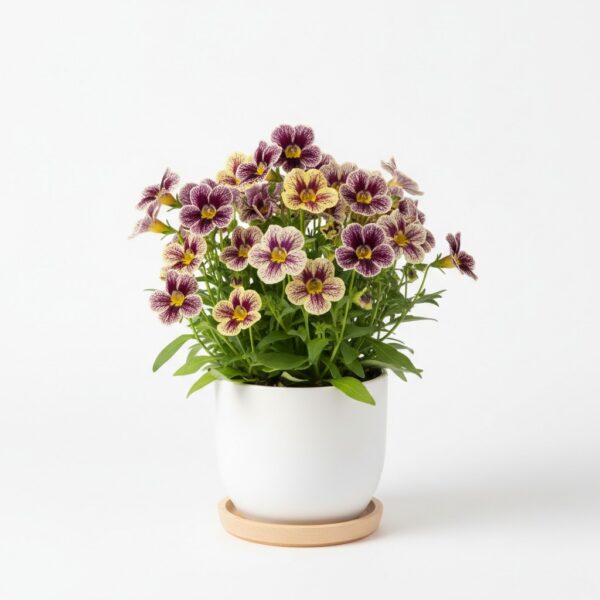
Painted Tongue
Salpiglossis sinuata
Salpiglossis sinuata, commonly known as Painted Tongue, is an annual flowering plant prized for its vibrant, trumpet-shaped flowers. Native to Chile, it typically grows to a height of 1 to 2 feet. The flowers come in a wide array of colors, including red, orange, yellow, purple, and bi-colors, often featuring intricate veining and a velvety texture. While primarily grown outdoors in gardens and borders, it can be challenging to cultivate indoors due to its high light requirements and need for consistent moisture. People grow it for its striking floral display and as a cut flower.
Quick Plant Comparison
| Feature | Broccoli | Painted Tongue |
|---|---|---|
| Light | Full sun (at least 6 hours of direct sunlight per day) | Full sun to partial shade. Requires at least 6 hours of direct sunlight daily for optimal flowering. |
| Watering | 2-3 times per week, depending on weather and soil drainage | Every 2-3 days outdoors, less frequently if in partial shade or cooler temperatures. |
| Humidity | 40-70% | 40-60% |
| Temperature | 15-18°C | 15-24°C |
| Care Level | Expert | Expert |
| Growth Rate | Moderate | Moderate |
| Max Height | 0.6-0.9 meters (outdoors) | 30-60 cm |
| Pet Safety | ❌ Toxic To Pets | ❌ Toxic To Pets |
| Soil | Well-draining, fertile soil rich in organic matter | Well-draining, fertile soil. A mix of potting soil, perlite, and compost is suitable. |
| Beginner Friendly | ❌ No | ❌ No |
| Weekly Maintenance | 30 minutes weekly | 30 minutes weekly |
🔬 Botanical Information — Comparing These Plants
Broccoli
| Scientific Name | Brassica oleracea var. italica |
|---|---|
| Family | Brassicaceae |
| Native To | Italy |
| Also Known As | Broccoli |
| Leaves | The leaves are large, lobed, and green, with a slightly waxy texture. |
| Flowers | Broccoli produces small yellow flowers if the head is not harvested. Flowering is not desirable for consumption. |
Painted Tongue
| Scientific Name | Salpiglossis sinuata |
|---|---|
| Family | Solanaceae |
| Native To | Chile |
| Also Known As | Painted Tongue, Scalloped Tube Tongue, Velvet Trumpet Flower |
| Leaves | The leaves of Salpiglossis sinuata are lance-shaped and slightly sticky to the touch. They are typically green in color and have a slightly serrated edge. The leaves are arranged alternately along the stems and provide a backdrop for the vibrant flowers. |
| Flowers | Salpiglossis sinuata produces trumpet-shaped flowers in a wide range of colors, including red, orange, yellow, purple, and bi-colors. The flowers are approximately 2 inches in diameter and feature intricate veining and a velvety texture. While it can technically flower indoors given sufficient light, it is unlikely to thrive and bloom as profusely as it would outdoors. |
📏 Size & Growth — Plant Comparison
Broccoli
Painted Tongue
🌱 Propagation — Comparing Plant Growth
Broccoli
Methods: Seed
Difficulty: Easy
Tips: Start seeds indoors 6-8 weeks before the last frost or direct sow outdoors after the last frost. Ensure proper soil temperature and moisture for germination.
Painted Tongue
Methods: Seed
Difficulty: Easy
Tips: Sow seeds indoors 6-8 weeks before the last frost or directly outdoors after the danger of frost has passed. Provide consistent moisture and warmth for germination.
✨ Benefits & Features — Comparing Plant Value
Broccoli
Broccoli is a cool-season crop that thrives in moderate temperatures. Its edible flower heads are a rich source of vitamins and minerals.
- ✓ Provides fresh, healthy vegetables
- ✓ Encourages outdoor activity
- ✓ Offers a sense of accomplishment
- ✓ Promotes sustainable living
- ✓ Enhances garden aesthetics
- ⚠️ Toxic to pets
Painted Tongue
The Painted Tongue flower is known for its unique and intricate veining patterns on the petals, making each bloom distinct. The velvety texture of the petals adds to its visual appeal, creating a luxurious and eye-catching display.
- ✓ Adds vibrant color and beauty to the garden.
- ✓ Provides cut flowers for bouquets.
- ✓ Attracts pollinators such as bees and butterflies.
- ✓ Offers a rewarding gardening experience.
- ✓ Enhances the aesthetic appeal of outdoor spaces.
- ⚠️ Toxic to pets
📅 Maintenance Schedule — Plant Care Comparison
Broccoli
Painted Tongue
🌞 Light Requirements
Broccoli
Full sun (at least 6 hours of direct sunlight per day)
Low light tolerant: ❌ No
Painted Tongue
Full sun to partial shade. Requires at least 6 hours of direct sunlight daily for optimal flowering.
Low light tolerant: ❌ No
💧 Watering Needs
Broccoli
Water deeply when the top inch of soil feels dry. Avoid overhead watering to prevent fungal diseases. Overwatering can lead to root rot, indicated by yellowing leaves and a foul smell. Underwatering results in wilting and stunted growth.
Painted Tongue
Water regularly, keeping the soil consistently moist but not waterlogged. Allow the top inch of soil to dry out slightly between waterings. Overwatering can lead to root rot, while underwatering can cause wilting and reduced flowering. Ensure good drainage.
🌡️ Temperature & Humidity
Broccoli
Temperature: 15-18°C
Humidity: 40-70%
Painted Tongue
Temperature: 15-24°C
Humidity: 40-60%
🤔 Which Plant Is Right For You?
Broccoli
Brassica oleracea var. italicaGardeners with outdoor space who want to grow their own vegetables.
✅ Choose This Plant If...
- You want to grow your own healthy vegetables.
- You have a sunny garden space.
- You enjoy eating fresh broccoli.
- You want to learn about vegetable gardening.
- You are looking for a rewarding gardening project.
❌ Skip This Plant If...
- You do not have enough sunlight.
- You do not have outdoor garden space.
- You are not prepared to deal with pests.
- You are looking for an easy indoor plant.
Painted Tongue
Salpiglossis sinuataExperienced gardeners who want a vibrant, colorful annual flower for their outdoor garden.
✅ Choose This Plant If...
- You want a stunning display of colorful flowers in your garden.
- You enjoy growing cut flowers for bouquets.
- You have a sunny garden location with well-draining soil.
- You are an experienced gardener looking for a rewarding challenge.
- You want to attract pollinators to your garden.
❌ Skip This Plant If...
- You have limited sunlight available.
- You are a beginner gardener.
- You have pets that might ingest the plant.
- You are looking for a low-maintenance indoor plant.
🎯 Quick Verdict
⚡ Key Differences Between These Plants
Both plants have similar basic care requirements but differ in appearance and specific needs. Compare plants carefully to find the best fit for your space.
💡 Pro Tips For Comparing These Plants
Broccoli Care Tips
Broccoli is an outdoor plant that requires full sun, consistent watering, and fertile soil. Growing broccoli indoors is extremely challenging due to the high light requirements and space needed for proper growth. It is not recommended to grow broccoli indoors unless you have a greenhouse or a very bright sunroom with supplemental lighting.
- Start seeds indoors for an earlier harvest.
- Provide consistent watering, especially during dry periods.
- Fertilize regularly with a balanced fertilizer.
- Monitor for pests and diseases and take action promptly.
- Harvest broccoli heads when they are firm and tight.
Painted Tongue Care Tips
Painted Tongue is primarily an outdoor plant and requires specific conditions to thrive. Indoor cultivation is challenging due to its high light requirements and need for consistent moisture. It needs full sun, well-draining soil, and regular fertilization. Expect limited success indoors.
- Start seeds indoors early to extend the blooming season.
- Provide support for taller plants to prevent them from flopping over.
- Deadhead spent flowers regularly to encourage continuous blooming.
- Protect plants from strong winds and heavy rain.
- Monitor for pests and diseases and treat promptly.
⚠️ Common Problems & Solutions — Plant Care Comparison
Broccoli
Painted Tongue
❓ Frequently Asked Questions — Comparing These Plants
Broccoli
What are the light requirements for Broccoli?
Broccoli needs at least 6-8 hours of direct sunlight per day to thrive and produce large, healthy heads. Insufficient light can lead to leggy growth, small heads, and reduced flowering. If growing indoors or in a shaded area, supplement with grow lights. Position Broccoli plants in the sunniest spot available, ideally facing south. Rotate the plants regularly to ensure even light exposure on all sides. When using grow lights, position them 6-12 inches above the plants and provide 14-16 hours of light per day. Monitor the plants for signs of light stress, such as scorched leaves, and adjust the light intensity or distance accordingly. Adequate light is crucial for photosynthesis and the development of robust flower heads.
How do I care for Broccoli?
Broccoli thrives in full sun (6-8 hours daily) and well-draining soil with a pH of 6.0-7.0. Water consistently, keeping the soil evenly moist but not waterlogged, especially during head formation. Fertilize every 2-3 weeks with a balanced fertilizer, switching to a high-phosphorus fertilizer as flower heads develop to encourage blooming. Monitor for pests like aphids and cabbage worms, addressing infestations promptly with organic insecticides or manual removal. Provide good air circulation to prevent fungal diseases. Harvest Broccoli heads when they are firm and tight, before the flower buds begin to open. After harvesting the main head, side shoots may develop, providing additional harvests. Mulch around the plants to retain moisture and suppress weeds. Regular monitoring and prompt action are key to successful Broccoli cultivation.
How do I propagate Broccoli?
Broccoli is typically propagated by seed, but side shoots can be rooted.
Painted Tongue
What are the light requirements for Painted Tongue?
Painted Tongue thrives in full sun, requiring at least 6 hours of direct sunlight per day to produce abundant and vibrant blooms. A south-facing window is ideal for indoor cultivation. Insufficient light can lead to leggy growth, reduced flowering, and duller colors. If growing indoors and natural light is limited, supplement with grow lights to ensure adequate illumination. Rotate the plant regularly to ensure even exposure to light on all sides. When transplanting outdoors, gradually acclimate the plant to full sun to prevent sunburn. Monitor the plant for signs of sun stress, such as scorched leaves, and adjust placement accordingly. Providing the right amount of light is crucial for the overall health and flowering of Painted Tongue.
How do I care for Painted Tongue?
Painted Tongue requires well-draining soil and a sunny location with at least 6 hours of direct sunlight daily. Water thoroughly when the top inch of soil feels dry, but avoid overwatering. Fertilize every 2-3 weeks during the growing season with a balanced liquid fertilizer, or a fertilizer higher in phosphorus to promote blooming. Deadhead spent flowers regularly to encourage continuous blooming. Provide support, such as stakes, if the plant becomes top-heavy. Maintain moderate humidity levels. Protect from frost and extreme temperatures. Repot in spring if the plant becomes root-bound. Monitor for pests like aphids and spider mites and treat promptly. Prune lightly after flowering to maintain shape and encourage future blooms. Ensure good air circulation to prevent fungal diseases. Avoid wetting the foliage during watering to minimize the risk of diseases.
How do I propagate Painted Tongue?
Painted Tongue can be propagated by stem cuttings, division or seeds.
Last updated: April 21, 2026 — Plant care data reviewed and verified by our editorial team.