
Belladonna vs Portulaca Plant Comparison
Compare these two plants side by side — care needs, key differences, and which is right for your home.

Belladonna
Atropa belladonna
Atropa belladonna, commonly known as belladonna or deadly nightshade, is a herbaceous perennial plant growing up to 1.5 meters tall. It features ovate leaves and bell-shaped, dull purple flowers followed by shiny black berries. Naturally an outdoor plant, belladonna thrives in woodland habitats. It is grown for its historical medicinal uses (now largely superseded due to its toxicity) and its striking, albeit dangerous, appearance. All parts of the plant contain toxic tropane alkaloids.
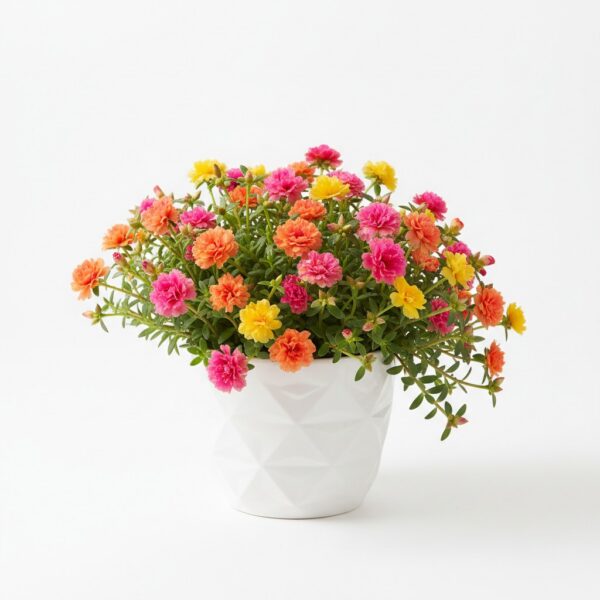
Portulaca
Portulaca oleracea
Portulaca oleracea, commonly known as purslane, is a succulent annual plant. It features smooth, reddish stems and fleshy, paddle-shaped green leaves. It grows prostrate, spreading along the ground. While often considered a weed, it's also cultivated as a leafy vegetable and ornamental plant. People grow it for its edible leaves and stems, which have a slightly sour and salty taste. It produces small yellow flowers that open only on sunny mornings. It is primarily an outdoor plant.
Quick Plant Comparison
| Feature | Belladonna | Portulaca |
|---|---|---|
| Light | Full sun to partial shade | Full sun (at least 6-8 hours of direct sunlight daily) |
| Watering | Every 7-10 days, depending on weather and soil drainage | Every 2-3 days in hot weather, less frequently in cooler conditions. |
| Humidity | 40-60% | 30-50% |
| Temperature | 15-25°C | 20-30°C |
| Care Level | Expert | Expert |
| Growth Rate | Moderate | Fast |
| Max Height | Unlikely to thrive indoors; outdoors up to 1.5 meters | 15-30 cm |
| Pet Safety | ❌ Toxic To All | ❌ Toxic To Pets |
| Soil | Well-draining, fertile soil rich in organic matter | Well-draining soil, such as a sandy loam or cactus mix. |
| Beginner Friendly | ❌ No | ❌ No |
| Weekly Maintenance | 30 minutes weekly (outdoor care) | 5-10 minutes weekly |
🔬 Botanical Information — Comparing These Plants
Belladonna
| Scientific Name | Atropa belladonna |
|---|---|
| Family | Solanaceae |
| Native To | Europe, North Africa, Western Asia |
| Also Known As | Belladonna, Deadly Nightshade, Dwale |
| Leaves | The leaves of Atropa belladonna are ovate to elliptical, typically 8-18 cm long and 4-12 cm wide. They are a dull green color and have a slightly velvety texture. The leaves are arranged alternately along the stems. |
| Flowers | Belladonna produces bell-shaped flowers that are typically dull purple or greenish-purple, about 2-3 cm long. They appear in the leaf axils from June to August. Flowering is unlikely indoors. |
Portulaca
| Scientific Name | Portulaca oleracea |
|---|---|
| Family | Portulacaceae |
| Native To | Widespread, exact origin uncertain, possibly Mediterranean or Asia |
| Also Known As | Purslane, Verdolaga, Pigweed, Little Hogweed |
| Leaves | The leaves of purslane are fleshy, smooth, and paddle-shaped, typically 2-3 cm long. They are usually green but can have a reddish tinge. The leaves are arranged alternately along the stems. |
| Flowers | Purslane produces small, yellow flowers that open only on sunny mornings. The flowers are about 0.5-1 cm in diameter and have five petals. Flowering typically occurs in summer. |
📏 Size & Growth — Plant Comparison
Belladonna
Portulaca
🌱 Propagation — Comparing Plant Growth
Belladonna
Methods: Seed, Root cuttings
Difficulty: Moderate
Tips: Sow seeds in spring or autumn. Root cuttings can be taken in late autumn or early spring. Wear gloves when handling.
Portulaca
Methods: Stem cuttings, Seed
Difficulty: Easy
Tips: Stem cuttings root easily in water or directly in soil. Allow cuttings to callous over for a day before planting. Sow seeds directly into the soil after the last frost.
✨ Benefits & Features — Comparing Plant Value
Belladonna
Atropa belladonna is distinguished by its high toxicity due to the presence of tropane alkaloids. Its shiny black berries are particularly attractive but extremely dangerous if ingested. The plant's historical use in medicine and cosmetics adds to its unique, albeit cautionary, appeal.
- ✓ Historically significant plant.
- ✓ Unique and striking appearance.
- ✓ Can be used in educational settings (with extreme caution).
- ✓ Provides a talking point for experienced gardeners.
- ✓ Attracts certain pollinators (while being toxic).
- ⚠️ Toxic to pets
Portulaca
Purslane is a succulent annual plant that is both edible and drought-tolerant. It is often considered a weed but is also cultivated for its nutritional value and ornamental appeal. Its ability to thrive in hot, dry conditions makes it a unique and valuable plant.
- ✓ Edible leaves and stems
- ✓ Drought tolerance
- ✓ High in omega-3 fatty acids
- ✓ Attracts pollinators
- ✓ Easy to propagate
- ⚠️ Toxic to pets
📅 Maintenance Schedule — Plant Care Comparison
Belladonna
Portulaca
🌞 Light Requirements
Belladonna
Full sun to partial shade
Low light tolerant: ❌ No
Portulaca
Full sun (at least 6-8 hours of direct sunlight daily)
Low light tolerant: ❌ No
💧 Watering Needs
Belladonna
Water deeply when the top inch of soil is dry. Avoid overwatering, which can lead to root rot. Signs of underwatering include wilting leaves; signs of overwatering include yellowing leaves and soggy soil.
Portulaca
Water thoroughly when the soil is dry to the touch. Avoid overwatering, as this can lead to root rot. Allow the soil to dry out slightly between waterings. Signs of overwatering include yellowing leaves and a mushy stem. Underwatering is indicated by wilting and shriveled leaves.
🌡️ Temperature & Humidity
Belladonna
Temperature: 15-25°C
Humidity: 40-60%
Portulaca
Temperature: 20-30°C
Humidity: 30-50%
🤔 Which Plant Is Right For You?
Belladonna
Atropa belladonnaExperienced gardeners in rural settings who understand the plant's toxicity and can provide suitable outdoor conditions.
✅ Choose This Plant If...
- You are an experienced gardener with a secure outdoor space away from children and pets.
- You are interested in the historical uses of medicinal plants and understand the risks involved.
- You are willing to take extreme precautions when handling a highly toxic plant.
- You have the proper knowledge and equipment to safely cultivate and maintain this plant.
- You live in a climate that naturally supports its growth.
❌ Skip This Plant If...
- You have children or pets who might ingest the plant.
- You are a beginner gardener.
- You do not have a secure outdoor space.
- You are not comfortable handling highly toxic plants.
Portulaca
Portulaca oleraceaGardeners looking for an edible ground cover or a drought-tolerant plant for sunny locations.
✅ Choose This Plant If...
- You want an edible ground cover
- You need a drought-tolerant plant
- You enjoy the slightly sour taste of purslane
- You have a very sunny outdoor space
- You want a plant rich in omega-3 fatty acids
❌ Skip This Plant If...
- You have pets that might ingest it
- You don't have a very sunny outdoor space
- You dislike plants that spread aggressively
🎯 Quick Verdict
⚡ Key Differences Between These Plants
Belladonna needs full sun to partial shade, while Portulaca prefers full sun (at least 6-8 hours of direct sunlight daily).
Belladonna has moderate growth, while Portulaca grows fast.
💡 Pro Tips For Comparing These Plants
Belladonna Care Tips
Belladonna is primarily an outdoor plant and is extremely challenging to grow indoors due to its light and space requirements. Its high toxicity makes it unsuitable for households with children or pets. Requires careful handling and specific growing conditions.
- Always wear gloves and eye protection when handling this plant.
- Keep the plant away from children and pets at all times.
- Dispose of plant waste carefully to prevent accidental poisoning.
- Research local regulations regarding growing poisonous plants.
- Label the plant clearly as poisonous.
Portulaca Care Tips
Purslane is easy to grow outdoors in full sun and well-draining soil. However, it is challenging to grow indoors due to its high light requirements. It needs very bright light and is prone to pests and diseases if not properly ventilated. It can also spread aggressively.
- Provide at least 6 hours of direct sunlight daily.
- Ensure well-draining soil to prevent root rot.
- Water deeply but infrequently, allowing the soil to dry out between waterings.
- Fertilize regularly during the growing season with a balanced liquid fertilizer.
- Pinch back stems to encourage bushier growth.
⚠️ Common Problems & Solutions — Plant Care Comparison
Belladonna
Portulaca
❓ Frequently Asked Questions — Comparing These Plants
Belladonna
What are the light requirements for Belladonna?
Belladonna requires bright, indirect light to thrive and produce abundant blooms. Direct sunlight can scorch the leaves, so it’s best to place it near an east- or west-facing window where it receives filtered sunlight. If you notice the leaves becoming pale or the plant failing to bloom, it may not be receiving enough light. Supplement with a grow light if necessary, especially during the darker winter months. Rotate the plant regularly to ensure all sides receive adequate light, promoting even growth. Avoid placing Belladonna in a dark corner or a location with minimal natural light, as this will hinder its growth and flowering potential.
How do I care for Belladonna?
Belladonna thrives in bright, indirect light, requiring at least 6 hours of sunlight daily. Water thoroughly when the top inch of soil feels dry, ensuring proper drainage to prevent root rot. During the growing season (spring and summer), fertilize every two weeks with a balanced liquid fertilizer diluted to half strength. Reduce watering and withhold fertilizer during the dormant period (fall and winter). Maintain a temperature between 65-75°F (18-24°C). Repot every 2-3 years in spring, using a well-draining potting mix. Provide adequate humidity, especially during the blooming period, by misting regularly or using a humidifier. Deadhead spent flowers to encourage further blooming. Rotate the plant regularly to ensure even growth. Protect from drafts and sudden temperature changes.
How do I propagate Belladonna?
Belladonna can be propagated through bulb offsets (division). Carefully separate the smaller bulbs (offsets) from the main bulb when repotting. Ensure each offset has its own roots. Plant the offsets in individual pots with well-draining potting mix. Water lightly and place in a bright, indirect light location. Keep the soil consistently moist but not waterlogged. It can also be propagated by seed, though this is a longer process. Allow the seed pods to dry on the plant, then collect the seeds and sow them in a seed-starting mix. Keep the soil moist and provide warmth and light. Division is the most reliable and fastest method. Keiki propagation is not generally applicable to Belladonna. Stem cuttings are not a viable propagation method for bulb plants.
Portulaca
What are the light requirements for Portulaca?
Portulaca succulents demand abundant sunlight to flourish. Ideally, they should receive at least 6-8 hours of direct sunlight each day. Insufficient light will result in leggy growth, reduced flowering, and faded colors. When grown indoors, place them near a south-facing window where they can bask in the sun’s rays. If natural light is limited, consider supplementing with a grow light. Rotate the plant regularly to ensure even exposure to light. The intensity of the light directly impacts the vibrancy of the blooms, so prioritizing sunlight is crucial for healthy growth and abundant flowering.
How do I care for Portulaca?
Portulaca succulents are relatively easy to care for, thriving in bright sunlight and well-draining soil. Water thoroughly when the soil is completely dry, typically every 1-2 weeks, and reduce watering during the dormant winter months. Ensure the pot has drainage holes to prevent root rot. Provide at least 6 hours of direct sunlight daily for optimal flowering. Fertilize sparingly during the growing season (spring and summer) with a diluted succulent fertilizer. Prune leggy growth to encourage bushier growth and more abundant blooms. Protect from frost as they are not cold-hardy. Repot only when the plant becomes root-bound. Avoid overwatering, which is the most common cause of problems.
How do I propagate Portulaca?
Portulaca succulents are easily propagated through stem cuttings or seeds. For stem cuttings, take a 2-3 inch cutting from a healthy stem. Allow the cut end to callous over for a day or two. Plant the cutting in well-draining soil and water lightly. Keep the soil slightly moist until roots develop, which usually takes a few weeks. Leaf cuttings can be attempted, but are less reliable. Simply place a leaf on top of well-draining soil and wait for roots to form. Offsets are rare but can be carefully separated from the main plant and planted in their own pot. Ensure the cutting receives bright, indirect light during the propagation process.
Last updated: May 12, 2026 — Plant care data reviewed and verified by our editorial team.