
Begonia vs Delphinium Plant Comparison
Compare these two plants side by side — care needs, key differences, and which is right for your home.
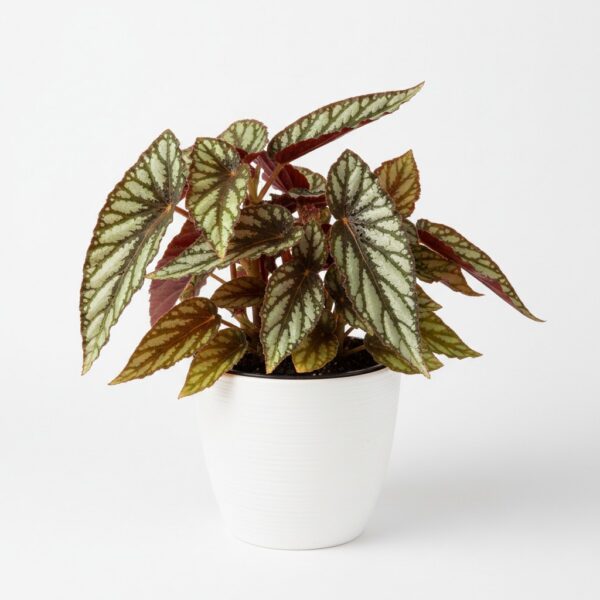
Begonia
Begonia spp.
Begonias are a diverse genus of flowering plants, encompassing over 2,000 species and countless cultivars. They exhibit a wide range of forms, from compact, bushy plants to trailing varieties. Begonias are prized for their showy flowers and often intricately patterned leaves. Many are naturally understory plants, thriving in dappled shade. They are popular as ornamentals, grown for their colorful foliage and blooms, both indoors and outdoors, depending on the species and climate. Some species are rhizomatous, spreading horizontally.

Delphinium
Delphinium spp.
Delphiniums are perennial herbaceous plants known for their tall, striking flower spikes. They typically grow outdoors and are prized for their vibrant blue, purple, pink, and white flowers. The plant has deeply lobed leaves and a robust stem that supports the flower spike. They are not suited for indoor growing due to their high light requirements and size. People grow them in gardens for their aesthetic appeal and to attract pollinators.
Quick Plant Comparison
| Feature | Begonia | Delphinium |
|---|---|---|
| Light | Varies greatly by species. Generally, avoid direct sunlight, which can scorch leaves. Many prefer bright, indirect light. | Full sun (at least 6 hours of direct sunlight per day) |
| Watering | Varies by species and environment. Typically, every 7-14 days. | 2-3 times per week, depending on weather and soil drainage |
| Humidity | 40-60% | 40-60% |
| Temperature | 18-24°C | 15-24°C |
| Care Level | Moderate | Expert |
| Growth Rate | Moderate | Moderate |
| Max Height | Varies by species, from 15cm to 60cm indoors. | Not typically grown indoors; outdoors: 0.6-1.8 meters |
| Pet Safety | ❌ Toxic To Pets | ❌ Toxic To Pets |
| Soil | Well-draining potting mix, such as a mix of peat moss, perlite, and vermiculite. | Well-draining, fertile soil rich in organic matter |
| Beginner Friendly | With Caution | ❌ No |
| Weekly Maintenance | 15 minutes weekly | 30 minutes weekly (weeding, watering, deadheading) |
🔬 Botanical Information — Comparing These Plants
Begonia
| Scientific Name | Begonia spp. |
|---|---|
| Family | Begoniaceae |
| Native To | Tropical and subtropical regions worldwide |
| Also Known As | Begonia |
| Leaves | Leaves vary greatly in shape, size, color, and texture depending on the species. They can be round, oval, heart-shaped, or star-shaped. Colors range from green to red, pink, silver, and purple. Some have intricate patterns and textures. |
| Flowers | Many begonias flower indoors, especially with sufficient light. Flowers can be single or double, and come in a range of colors including white, pink, red, orange, and yellow. |
Delphinium
| Scientific Name | Delphinium spp. |
|---|---|
| Family | Ranunculaceae |
| Native To | Northern Hemisphere, including Europe, Asia, and North America |
| Also Known As | Larkspur, Delphinium |
| Leaves | The leaves are deeply lobed and palmate, with a coarse texture. They are typically medium to dark green in color and arranged alternately along the stem. |
| Flowers | Delphiniums rarely, if ever, flower indoors. Outdoors, they produce tall, dense spikes of flowers in shades of blue, purple, pink, and white. The flowers have a distinctive spurred shape. |
📏 Size & Growth — Plant Comparison
Begonia
Delphinium
🌱 Propagation — Comparing Plant Growth
Begonia
Methods: Stem cuttings, leaf cuttings, rhizome division, seed.
Difficulty: Moderate
Tips: For stem cuttings, take a cutting with at least one node and place it in water or moist potting mix. For leaf cuttings, cut a leaf into wedges and place them on moist potting mix. Maintain high humidity.
Delphinium
Methods: Seed, Division, Stem cuttings
Difficulty: Moderate
Tips: Sow seeds in early spring or fall. Divide established plants in spring or fall. Take stem cuttings in late spring.
✨ Benefits & Features — Comparing Plant Value
Begonia
Begonias are known for their asymmetrical leaves and diverse foliage patterns. Many species have showy flowers in a variety of colors. The genus is incredibly diverse, offering a wide range of shapes, sizes, and textures.
- ✓ Adds vibrant color and texture to indoor spaces.
- ✓ Can improve indoor humidity levels.
- ✓ Offers a wide variety of shapes and sizes to suit different tastes.
- ✓ Provides a sense of accomplishment through successful care.
- ✓ Can be propagated to create more plants.
- ⚠️ Toxic to pets
Delphinium
Delphiniums are known for their towering flower spikes, which can reach impressive heights. The intense blue color of some varieties is particularly striking and relatively rare in the plant world.
- ✓ Attracts pollinators to the garden
- ✓ Adds vibrant color and height to flower beds
- ✓ Provides cut flowers for arrangements
- ✓ Enhances the aesthetic appeal of outdoor spaces
- ✓ Can be used in traditional medicine (with caution and expert knowledge)
- ⚠️ Toxic to pets
📅 Maintenance Schedule — Plant Care Comparison
Begonia
Delphinium
🌞 Light Requirements
Begonia
Varies greatly by species. Generally, avoid direct sunlight, which can scorch leaves. Many prefer bright, indirect light.
Low light tolerant: ✅ Yes
Delphinium
Full sun (at least 6 hours of direct sunlight per day)
Low light tolerant: ❌ No
💧 Watering Needs
Begonia
Water thoroughly when the top inch of soil feels dry to the touch. Allow excess water to drain away. Overwatering can lead to root rot. Underwatering will cause leaves to droop and dry out.
Delphinium
Water deeply when the top inch of soil feels dry. Avoid overhead watering to prevent fungal diseases. Overwatering can lead to root rot, indicated by yellowing leaves and a mushy stem. Underwatering results in wilting and dry, crispy leaves.
🌡️ Temperature & Humidity
Begonia
Temperature: 18-24°C
Humidity: 40-60%
Delphinium
Temperature: 15-24°C
Humidity: 40-60%
🤔 Which Plant Is Right For You?
Begonia
Begonia spp.Plant enthusiasts who appreciate colorful foliage and are willing to provide specific care.
✅ Choose This Plant If...
- You love colorful foliage and unique textures.
- You're looking for a plant that can tolerate some shade.
- You enjoy a plant that flowers indoors.
- You want a diverse genus with many options to choose from.
- You are willing to provide specific care to meet its needs.
❌ Skip This Plant If...
- You have pets that might ingest the plant.
- You tend to overwater your plants.
- You are looking for a very low-maintenance plant.
Delphinium
Delphinium spp.Gardeners looking to add height and vibrant color to their flower beds.
✅ Choose This Plant If...
- You want a tall, dramatic flower for your garden.
- You want to attract pollinators to your yard.
- You have a sunny garden spot with well-draining soil.
- You enjoy the classic cottage garden aesthetic.
- You are an experienced gardener looking for a rewarding challenge.
❌ Skip This Plant If...
- You have limited sunlight in your home.
- You have pets or small children who might ingest the plant.
- You are a beginner gardener looking for an easy-to-grow plant.
🎯 Quick Verdict
⚡ Key Differences Between These Plants
Begonia is rated Moderate care level, while Delphinium is Expert.
💡 Pro Tips For Comparing These Plants
Begonia Care Tips
Begonias require bright, indirect light and well-draining soil. Avoid overwatering and provide moderate humidity. Some species are more challenging than others. Rhizomatous types may require more space.
- Use a well-draining potting mix to prevent root rot.
- Avoid getting water on the leaves to prevent fungal diseases.
- Provide bright, indirect light for optimal growth and flowering.
- Fertilize regularly during the growing season.
- Monitor for pests and diseases and treat promptly.
Delphinium Care Tips
Delphiniums are primarily outdoor plants and are very challenging to grow indoors due to their high light requirements and need for specific temperature and humidity conditions. They require full sun, well-draining soil, and regular fertilization. Indoor cultivation is not recommended.
- Provide support for tall flower spikes to prevent them from bending or breaking.
- Deadhead spent flowers regularly to encourage more blooms.
- Protect from slugs and snails, especially young plants.
- Ensure good drainage to prevent root rot.
- Apply a layer of mulch around the base of the plant to retain moisture and suppress weeds.
⚠️ Common Problems & Solutions — Plant Care Comparison
Begonia
Delphinium
❓ Frequently Asked Questions — Comparing These Plants
Begonia
What are the light requirements for Begonia?
Begonias need bright, indirect light to thrive. Direct sunlight can scorch their delicate leaves, so avoid placing them in south-facing windows without some form of shading. An east- or west-facing window is ideal, providing ample light without the harshness of direct sun. If you don’t have access to natural light, grow lights can supplement or replace sunlight, ensuring the plant receives adequate illumination. Rotate your Begonia regularly to ensure even growth and prevent it from leaning towards the light source. Leaves that are pale or stretched out indicate insufficient light, while scorched leaves indicate too much direct sunlight. Adjust the plant’s position accordingly to provide optimal light conditions.
How do I care for Begonia?
Begonias thrive in bright, indirect light; avoid direct sunlight, which can scorch their leaves. Water when the top inch of soil feels dry, ensuring good drainage to prevent root rot. Use a well-draining potting mix rich in organic matter. Maintain humidity levels of 50-60% by misting regularly or using a humidifier, especially during dry months. Fertilize every 2-4 weeks during the growing season (spring and summer) with a balanced liquid fertilizer diluted to half strength. Reduce watering and fertilization in the fall and winter when the plant’s growth slows down. Temperatures should ideally be between 65-75°F (18-24°C). Prune regularly to remove dead or yellowing leaves and to encourage bushier growth. Repot every 1-2 years, or when the plant becomes root-bound. Watch out for common pests like mealybugs and aphids, and treat them promptly with insecticidal soap or neem oil.
How do I propagate Begonia?
Begonias can be propagated through several methods. For stem cuttings, take a 4-6 inch cutting from a healthy stem, remove the lower leaves, and place it in water or moist potting mix until roots develop. For division, carefully separate the root ball of a mature plant into smaller sections, ensuring each section has healthy roots and foliage, and repot them individually. Some begonias produce keikis (small plantlets) along their stems or leaves; these can be carefully removed and potted up. Maintain high humidity and bright, indirect light during the propagation process. Rooting hormone can improve the success rate of stem cuttings. Keep the soil consistently moist but not waterlogged to prevent rot.
Delphinium
What are the light requirements for Delphinium?
Delphiniums are sun-loving plants and require at least six hours of direct sunlight daily to flourish. Insufficient light can lead to weak stems, poor flowering, and increased susceptibility to diseases. In hotter climates, some afternoon shade can be beneficial to prevent scorching. When selecting a location, consider the sun’s path and ensure the plants receive ample morning sun. Delphiniums grown in partial shade may still survive, but their blooms will be significantly diminished. If growing indoors, supplement with grow lights to provide the necessary intensity and duration of light. Rotate the plant regularly to ensure even light exposure.
How do I care for Delphinium?
Delphiniums require specific care to thrive. Plant in well-draining soil enriched with organic matter. Full sun (at least 6 hours daily) is crucial for optimal blooming. Water deeply but infrequently, allowing the soil to dry slightly between waterings. Fertilize regularly during the growing season with a balanced fertilizer, switching to a high-phosphorus fertilizer as buds develop to promote abundant blooms. Stake tall varieties to prevent them from collapsing under the weight of their flowers or in windy conditions. Deadhead spent blooms to encourage reblooming. Protect from slugs and snails, which can damage young plants. Provide adequate air circulation to prevent fungal diseases. Mulch around the base of the plant to retain moisture and suppress weeds.
How do I propagate Delphinium?
Delphiniums can be propagated through division, stem cuttings, and seeds. Division involves separating mature clumps in early spring or fall. Carefully dig up the plant and divide the root ball into sections, ensuring each section has healthy roots and shoots. Stem cuttings can be taken in spring. Select healthy, non-flowering stems and cut them into 4-6 inch sections. Remove the lower leaves and dip the cut end in rooting hormone. Plant the cuttings in a well-draining potting mix and keep them moist. Seeds can be sown indoors in late winter or early spring. Sow seeds thinly in a seed starting mix and keep them moist and warm. Germination typically takes 2-3 weeks.
Last updated: April 25, 2026 — Plant care data reviewed and verified by our editorial team.