
Bee Balm vs Pulmonaria Plant Comparison
Compare these two plants side by side — care needs, key differences, and which is right for your home.
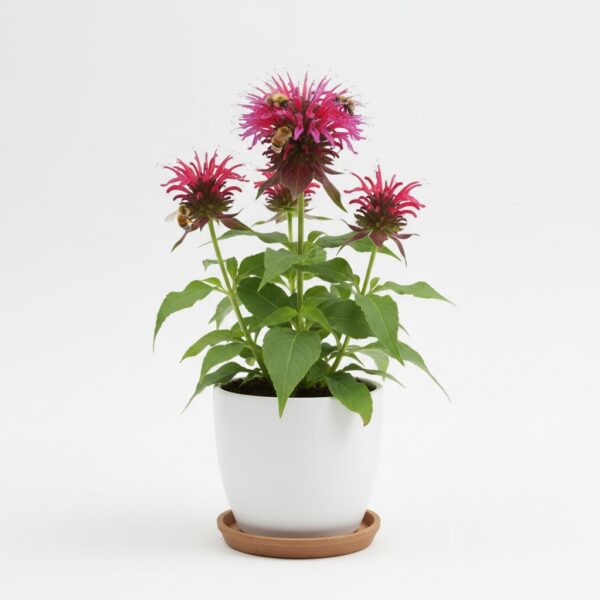
Bee Balm
Monarda didyma
Bee Balm is a perennial herbaceous plant known for its vibrant, showy flowers and aromatic foliage. Typically found in moist meadows and along stream banks, it grows upright, reaching heights of 2-4 feet. The plant features square stems and opposite leaves. It's primarily an outdoor plant, prized for attracting pollinators like bees, butterflies, and hummingbirds to gardens. People grow it for its ornamental value, fragrant leaves (used in teas), and its ability to attract beneficial wildlife.
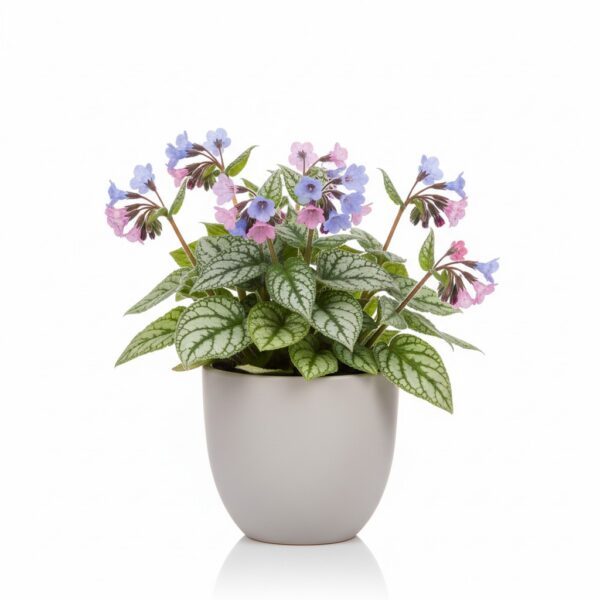
Pulmonaria
Pulmonaria officinalis
Pulmonaria officinalis, commonly known as lungwort, is a herbaceous perennial plant native to Europe. It is characterized by its distinctive spotted leaves, which are typically green with white or silver markings. The plant forms a low-growing clump and produces clusters of small, bell-shaped flowers that change color from pink to blue as they mature. Lungwort is primarily grown outdoors in gardens for its attractive foliage and early spring blooms. It thrives in shady, woodland-like conditions. While it can be attempted indoors, it requires very specific conditions and is generally not well-suited for indoor cultivation.
Quick Plant Comparison
| Feature | Bee Balm | Pulmonaria |
|---|---|---|
| Light | Full sun to partial shade. Requires at least 6 hours of direct sunlight for optimal flowering. | Partial shade to full shade. Avoid direct sunlight, especially during the hottest part of the day. |
| Watering | Every 7-10 days, depending on weather and soil drainage. | Every 3-5 days, depending on environmental conditions |
| Humidity | 40-60% | 40-60% |
| Temperature | 16-27°C | 13-18°C |
| Care Level | Expert | Expert |
| Growth Rate | Fast | Moderate |
| Max Height | N/A (Primarily outdoor plant) | 20-30 cm (indoors unlikely to reach this) |
| Pet Safety | ❌ Toxic To Pets | ❌ Toxic To Pets |
| Soil | Well-drained, fertile soil. A mix of garden soil, compost, and perlite is suitable. | Well-draining, humus-rich soil |
| Beginner Friendly | ❌ No | ❌ No |
| Weekly Maintenance | 15 minutes weekly (weeding, deadheading, watering) | 15 minutes weekly (outdoor) |
🔬 Botanical Information — Comparing These Plants
Bee Balm
| Scientific Name | Monarda didyma |
|---|---|
| Family | Lamiaceae |
| Native To | Eastern North America |
| Also Known As | Bee Balm, Oswego Tea, Scarlet Bee Balm, Bergamot |
| Leaves | Opposite, lance-shaped leaves with serrated edges. They are typically dark green and have a minty fragrance when crushed. The leaves are about 3-6 inches long. |
| Flowers | Rarely flowers indoors. Outdoors, it produces showy, tubular flowers in shades of red, pink, purple, or white. The flowers are arranged in dense, rounded clusters at the top of the stems and bloom in mid-summer. |
Pulmonaria
| Scientific Name | Pulmonaria officinalis |
|---|---|
| Family | Boraginaceae |
| Native To | Europe |
| Also Known As | Lungwort, Common Lungwort, Jerusalem Cowslip, Spotted Dog |
| Leaves | The leaves of Pulmonaria are ovate to lance-shaped, typically 10-25 cm long, and have a rough texture. They are usually green with distinctive white or silver spots, although some varieties have more pronounced variegation. The spots are caused by air pockets within the leaf tissue. |
| Flowers | Pulmonaria produces clusters of small, bell-shaped flowers in early spring. The flowers are typically pink when they first open, then gradually turn blue as they mature. This color change is due to changes in pH levels within the petals. Flowering is unlikely indoors. |
📏 Size & Growth — Plant Comparison
Bee Balm
Pulmonaria
🌱 Propagation — Comparing Plant Growth
Bee Balm
Methods: Division, Seed, Stem cuttings
Difficulty: Easy
Tips: Divide clumps in spring or fall. Take stem cuttings in late spring or early summer. Sow seeds in spring after the last frost.
Pulmonaria
Methods: Division, Seed
Difficulty: Moderate
Tips: Divide established clumps in early spring or fall. Sow seeds in a cold frame in autumn or early spring.
✨ Benefits & Features — Comparing Plant Value
Bee Balm
Bee Balm is unique for its showy, pom-pom-like flowers that attract hummingbirds and butterflies. Its fragrant foliage can be used to make a tea similar to Earl Grey. It also has a long history of medicinal use by Native Americans.
- ✓ Attracts pollinators, supporting local ecosystems.
- ✓ Provides fragrant foliage for teas and culinary uses.
- ✓ Adds vibrant color and visual interest to gardens.
- ✓ Relatively low-maintenance once established.
- ✓ Can be used medicinally (consult with a qualified herbalist).
- ⚠️ Toxic to pets
Pulmonaria
The most unique characteristic of Pulmonaria is its spotted leaves, which provide visual interest even when the plant is not in bloom. The flowers also change color from pink to blue as they mature, adding another layer of appeal. It is also relatively deer-resistant.
- ✓ Attracts pollinators to your garden.
- ✓ Adds visual interest with its unique spotted foliage.
- ✓ Provides early spring color to shady areas.
- ✓ Deer-resistant, protecting your garden from damage.
- ✓ Can be used as a ground cover in woodland gardens.
- ⚠️ Toxic to pets
📅 Maintenance Schedule — Plant Care Comparison
Bee Balm
Pulmonaria
🌞 Light Requirements
Bee Balm
Full sun to partial shade. Requires at least 6 hours of direct sunlight for optimal flowering.
Low light tolerant: ❌ No
Pulmonaria
Partial shade to full shade. Avoid direct sunlight, especially during the hottest part of the day.
Low light tolerant: ❌ No
💧 Watering Needs
Bee Balm
Water deeply when the top inch of soil feels dry to the touch. Avoid overhead watering to prevent powdery mildew. Overwatering can lead to root rot, indicated by yellowing leaves and a musty smell. Underwatering results in wilting and dry, crispy leaves.
Pulmonaria
Keep the soil consistently moist, but not waterlogged. Water when the top inch of soil feels dry to the touch. Overwatering can lead to root rot, while underwatering can cause the leaves to wilt and brown. Ensure good drainage.
🌡️ Temperature & Humidity
Bee Balm
Temperature: 16-27°C
Humidity: 40-60%
Pulmonaria
Temperature: 13-18°C
Humidity: 40-60%
🤔 Which Plant Is Right For You?
Bee Balm
Monarda didymaGardeners looking to attract pollinators and add vibrant color to their outdoor spaces.
✅ Choose This Plant If...
- You want to attract hummingbirds and butterflies to your garden.
- You enjoy fragrant foliage that can be used in teas.
- You want a vibrant, colorful addition to your flower beds.
- You have a sunny garden space with well-drained soil.
- You are looking for a relatively low-maintenance perennial once established.
❌ Skip This Plant If...
- You have limited sunlight in your garden.
- You are looking for a low-maintenance indoor plant.
- You have pets that might ingest the plant.
- You live in a very dry climate without supplemental watering.
- You are prone to powdery mildew issues in your garden.
Pulmonaria
Pulmonaria officinalisExperienced gardeners looking for a shade-loving plant with unique foliage and early spring blooms in an outdoor garden.
✅ Choose This Plant If...
- You want a shade-loving plant with unique spotted foliage.
- You appreciate early spring blooms that attract pollinators.
- You are looking for a deer-resistant plant for your garden.
- You enjoy plants with interesting color-changing flowers.
- You have a cool, shady spot in your garden that needs some color.
❌ Skip This Plant If...
- You are looking for an easy-to-grow indoor plant.
- You have pets that might ingest the plant.
- You do not have a cool, shady outdoor space.
🎯 Quick Verdict
⚡ Key Differences Between These Plants
Bee Balm has fast growth, while Pulmonaria grows moderate.
💡 Pro Tips For Comparing These Plants
Bee Balm Care Tips
Bee Balm is primarily an outdoor plant and is challenging to grow indoors due to its high light requirements and susceptibility to powdery mildew in enclosed environments. It needs full sun, well-drained soil, and good air circulation. Indoor attempts often result in leggy growth and poor flowering.
- Plant in well-drained soil to prevent root rot.
- Provide full sun for optimal flowering.
- Deadhead spent flowers regularly to encourage more blooms.
- Divide clumps every 2-3 years to control spread and rejuvenate the plant.
- Monitor for powdery mildew and treat promptly with a fungicide if necessary.
Pulmonaria Care Tips
Pulmonaria is primarily an outdoor plant that prefers cool, shady conditions. Indoor cultivation is challenging due to the need for consistent moisture, high humidity, and cool temperatures. It is prone to fungal diseases and root rot if not properly cared for indoors. Requires very bright indirect light, which is difficult to provide indoors.
- Provide consistent moisture, especially during dry periods.
- Protect from direct sunlight to prevent leaf scorch.
- Amend the soil with compost or leaf mold to improve drainage and fertility.
- Divide plants every few years to prevent overcrowding.
- Monitor for pests and diseases regularly.
⚠️ Common Problems & Solutions — Plant Care Comparison
Bee Balm
Pulmonaria
❓ Frequently Asked Questions — Comparing These Plants
Bee Balm
What are the light requirements for Bee Balm?
Bee Balm needs a significant amount of sunlight to flourish and produce abundant blooms. Ideally, it should receive at least 6 hours of direct sunlight each day. In hotter climates, some afternoon shade can be beneficial to prevent scorching of the leaves. Insufficient light can lead to leggy growth, reduced flowering, and increased susceptibility to diseases like powdery mildew. When planting, choose a location that receives full sun for most of the day. If growing in containers, rotate the plants regularly to ensure even light exposure on all sides. Observe your plants closely and adjust their location if they are not receiving enough sunlight.
How do I care for Bee Balm?
Bee Balm thrives in full sun to partial shade, requiring at least 6 hours of sunlight daily for optimal flowering. Well-drained soil is crucial to prevent root rot. Water regularly, especially during dry periods, keeping the soil consistently moist but not waterlogged. Fertilize in spring with a balanced fertilizer to encourage healthy growth and abundant blooms. Deadhead spent flowers to promote reblooming throughout the summer. Space plants adequately to allow for good air circulation, which helps prevent powdery mildew. Divide clumps every 2-3 years to maintain vigor and prevent overcrowding. Mulch around the base of the plants to retain moisture and suppress weeds. Monitor for pests like aphids and spider mites, and treat as needed. Prune back stems to the ground in late fall or early spring.
How do I propagate Bee Balm?
Bee Balm is easily propagated through division, stem cuttings, or seeds. For division, dig up a mature clump in early spring or fall and separate it into smaller sections, each with healthy roots and shoots. Replant the divisions in well-prepared soil. To propagate from stem cuttings, take 4-6 inch cuttings from new growth in spring or early summer. Remove the lower leaves and dip the cut end in rooting hormone. Plant the cuttings in a well-draining potting mix and keep them moist until roots develop. Seeds can be sown directly into the garden in fall or started indoors in early spring. Keep the soil moist and provide adequate light for germination.
Pulmonaria
What are the light requirements for Pulmonaria?
Pulmonaria thrives in partial to full shade. In regions with hot summers, full shade is essential to prevent leaf scorch. Morning sun is tolerated, but avoid direct afternoon sun. The ideal location receives dappled sunlight throughout the day. Insufficient light can result in fewer blooms and less vibrant foliage.
How do I care for Pulmonaria?
Pulmonaria prefers partial to full shade, especially in warmer climates. Direct sunlight can scorch the leaves. The ideal location is one that receives morning sun and afternoon shade. Plant in well-draining, humus-rich soil that retains moisture. Water regularly, especially during dry periods, keeping the soil consistently moist but not soggy.
How do I propagate Pulmonaria?
Pulmonaria is most easily propagated by division in early spring or fall. Carefully dig up the plant and separate the root ball into smaller clumps, ensuring each clump has healthy roots and foliage. Replant the divisions in well-draining, humus-rich soil. Keep the soil consistently moist until the plants are established.
Last updated: April 28, 2026 — Plant care data reviewed and verified by our editorial team.