
Bachelor's Button vs Perennial Sunflower Plant Comparison
Compare these two plants side by side — care needs, key differences, and which is right for your home.

Perennial Sunflower
Helianthus species (e.g., Helianthus maximiliani, Helianthus divaricatus, Helianthus tuberosus)
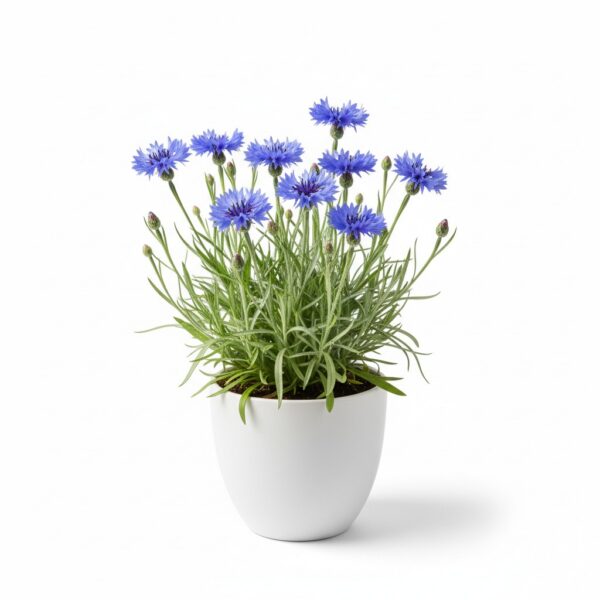
Bachelor's Button
Centaurea cyanus
Bachelor's Button, or Cornflower, is an annual plant typically grown outdoors for its vibrant blue, pink, white, or purple flowers. It features slender, grey-green leaves and an upright growth habit, reaching heights of 1 to 3 feet. While admired for its ornamental value and use in cut flower arrangements, it is primarily an outdoor plant that thrives in full sun. People grow it for its attractive flowers that attract pollinators and its ease of cultivation in gardens and fields.
Perennial Sunflower
Helianthus species (e.g., Helianthus maximiliani, Helianthus divaricatus, Helianthus tuberosus)
Perennial sunflowers are herbaceous plants known for their vibrant yellow flowers and robust growth. They are native to North America and are typically found in prairies, woodlands, and along roadsides. These sunflowers are valued for their late-season blooms, providing a crucial nectar source for pollinators. They are primarily outdoor plants, thriving in full sun and well-drained soil. People grow them for their ornamental value, attracting wildlife, and in some cases, for edible tubers (Jerusalem Artichoke). Most species spread via rhizomes.
Quick Plant Comparison
| Feature | Bachelor's Button | Perennial Sunflower |
|---|---|---|
| Light | Full sun (at least 6 hours of direct sunlight daily) | Full sun (at least 6-8 hours of direct sunlight daily) |
| Watering | Every 7-10 days, depending on weather and soil drainage | Every 7-14 days, depending on weather and soil drainage |
| Humidity | 30-50% | 30-50% |
| Temperature | 15-24°C | 15-27°C |
| Care Level | Expert | Expert |
| Growth Rate | Fast | Fast |
| Max Height | Not typically grown indoors; outdoors 30-90 cm | 1-3 meters (outdoor) |
| Pet Safety | ❌ Toxic To Pets | ❌ Toxic To Pets |
| Soil | Well-draining soil, sandy or loamy soil is ideal | Well-drained soil, loamy or sandy soil is preferred. Can tolerate a range of soil types. |
| Beginner Friendly | ❌ No | ❌ No |
| Weekly Maintenance | 5 minutes weekly (deadheading, watering) | 15 minutes weekly (weeding, watering, deadheading) |
🔬 Botanical Information — Comparing These Plants
Bachelor's Button
| Scientific Name | Centaurea cyanus |
|---|---|
| Family | Asteraceae |
| Native To | Europe, though naturalized in many parts of the world |
| Also Known As | Cornflower, Bluebottle, Boutonniere Flower |
| Leaves | The leaves are slender, lance-shaped, and grey-green in color. They are typically 2-5 cm long and have a slightly hairy texture. |
| Flowers | It rarely flowers indoors. Outdoors, it produces vibrant blue, pink, white, or purple flowers. The flowers are typically 2-4 cm in diameter and have a fringed appearance. |
Perennial Sunflower
| Scientific Name | Helianthus species (e.g., Helianthus maximiliani, Helianthus divaricatus, Helianthus tuberosus) |
|---|---|
| Family | Asteraceae |
| Native To | North America |
| Also Known As | Perennial Sunflower, Maximilian Sunflower, Woodland Sunflower, Jerusalem Artichoke |
| Leaves | Leaves vary depending on the species, but are generally lance-shaped to oval, rough in texture, and green in color. Some species have toothed or serrated edges. Size ranges from 5-20 cm long. |
| Flowers | Flowers are typically bright yellow with a brown or yellow central disk. They bloom in late summer and fall, providing a burst of color when many other plants are past their peak. Rarely flowers indoors due to light requirements. |
📏 Size & Growth — Plant Comparison
Bachelor's Button
Perennial Sunflower
🌱 Propagation — Comparing Plant Growth
Bachelor's Button
Methods: Seed
Difficulty: Easy
Tips: Sow seeds directly into the garden in early spring or fall. Seeds need light to germinate, so do not cover them too deeply. Keep the soil moist until germination occurs.
Perennial Sunflower
Methods: Division, Seed, Rhizome cuttings
Difficulty: Easy
Tips: Divide rhizomes in spring or fall. Sow seeds directly in the garden after the last frost. Rhizome cuttings should be planted horizontally just below the soil surface.
✨ Benefits & Features — Comparing Plant Value
Bachelor's Button
Bachelor's Button is known for its vibrant blue flowers, although other colors are available. It is an annual plant that readily self-seeds, making it a reliable addition to the garden year after year. It is also attractive to pollinators, making it a valuable plant for supporting local ecosystems.
- ✓ Attracts pollinators to the garden
- ✓ Provides beautiful cut flowers
- ✓ Edible flowers for culinary use
- ✓ Adds vibrant color to outdoor spaces
- ✓ Easy to grow from seed outdoors
- ⚠️ Toxic to pets
Perennial Sunflower
Perennial sunflowers are known for their ability to spread via rhizomes, forming colonies over time. This can be both a benefit and a challenge, as it allows them to fill in large areas but also requires management to prevent them from becoming invasive. Their late-season blooms provide a valuable nectar source for pollinators when other flowers are fading.
- ✓ Attracts pollinators, supporting local ecosystems.
- ✓ Provides late-season color, extending the beauty of your garden.
- ✓ Offers a natural screen or backdrop due to its height.
- ✓ Requires minimal maintenance once established, saving time and effort.
- ✓ Some species offer edible tubers, providing a food source.
- ⚠️ Toxic to pets
📅 Maintenance Schedule — Plant Care Comparison
Bachelor's Button
Perennial Sunflower
🌞 Light Requirements
Bachelor's Button
Full sun (at least 6 hours of direct sunlight daily)
Low light tolerant: ❌ No
Perennial Sunflower
Full sun (at least 6-8 hours of direct sunlight daily)
Low light tolerant: ❌ No
💧 Watering Needs
Bachelor's Button
Water thoroughly when the top inch of soil feels dry. Avoid overwatering, which can lead to root rot. In well-draining soil, water deeply but infrequently. Signs of underwatering include wilting and dry, crispy leaves. Overwatering symptoms include yellowing leaves and a soggy soil.
Perennial Sunflower
Water deeply when the top inch of soil feels dry. Avoid overwatering, which can lead to root rot. During hot, dry periods, more frequent watering may be necessary. Signs of underwatering include wilting leaves; overwatering includes yellowing leaves and soggy soil.
🌡️ Temperature & Humidity
Bachelor's Button
Temperature: 15-24°C
Humidity: 30-50%
Perennial Sunflower
Temperature: 15-27°C
Humidity: 30-50%
🤔 Which Plant Is Right For You?
Bachelor's Button
Centaurea cyanusGardeners who want to attract pollinators to their outdoor gardens.
✅ Choose This Plant If...
- You want to attract pollinators to your garden.
- You enjoy cut flowers and want to grow your own.
- You want a low-maintenance annual for a sunny spot.
- You want to add a splash of vibrant color to your garden.
- You enjoy edible flowers in salads or teas.
❌ Skip This Plant If...
- You have pets that might ingest the plant.
- You don't have a sunny outdoor space.
- You are looking for a low-maintenance indoor plant.
Perennial Sunflower
Helianthus species (e.g., Helianthus maximiliani, Helianthus divaricatus, Helianthus tuberosus)Gardeners looking for late-season blooms and a plant that attracts pollinators.
✅ Choose This Plant If...
- You want a low-maintenance perennial that returns year after year.
- You need a late-season bloomer to extend the flowering season in your garden.
- You want to attract pollinators like bees and butterflies to your yard.
- You have a sunny location where other plants struggle to thrive.
- You want a tall, dramatic plant to add vertical interest to your landscape.
❌ Skip This Plant If...
- You have limited space, as these plants can spread aggressively.
- You don't have a location that receives at least 6 hours of direct sunlight daily.
- You are looking for a plant that is easy to grow indoors.
🎯 Quick Verdict
⚡ Key Differences Between These Plants
Bachelor's Button needs full sun (at least 6 hours of direct sunlight daily), while Perennial Sunflower prefers full sun (at least 6-8 hours of direct sunlight daily).
💡 Pro Tips For Comparing These Plants
Bachelor's Button Care Tips
Bachelor's Button is primarily an outdoor plant and is challenging to grow indoors due to its high light requirements. It needs full sun and well-draining soil. Indoor cultivation requires supplemental lighting and careful watering to prevent fungal diseases. It is best suited for outdoor gardens.
- Sow seeds directly in the garden in early spring or fall.
- Choose a location with full sun and well-draining soil.
- Water regularly, especially during dry periods.
- Deadhead spent flowers to encourage more blooms.
- Protect from strong winds.
Perennial Sunflower Care Tips
Perennial sunflowers are primarily outdoor plants that require full sun and well-drained soil. They can be challenging to grow indoors due to their high light requirements and tendency to spread. Indoor cultivation requires very bright light and careful monitoring of soil moisture. Rhizomatous spread can quickly outgrow containers.
- Provide ample space for growth to accommodate its spreading habit.
- Water deeply but infrequently, allowing the soil to dry out slightly between waterings.
- Deadhead spent flowers to encourage more blooms and prevent unwanted self-seeding.
- Monitor for pests and diseases, addressing them promptly to prevent spread.
- Divide rhizomes every few years to control spread and rejuvenate the plant.
⚠️ Common Problems & Solutions — Plant Care Comparison
Bachelor's Button
Perennial Sunflower
❓ Frequently Asked Questions — Comparing These Plants
Bachelor's Button
What are the light requirements for Bachelor's Button?
Bachelor’s Buttons require at least 6-8 hours of direct sunlight each day to thrive. Insufficient light can result in leggy growth, fewer blooms, and pale foliage. Choose a location in your garden that receives full sun throughout the day. If growing indoors, place them near a south-facing window where they can receive ample sunlight.
How do I care for Bachelor's Button?
Bachelor’s Buttons thrive in full sun and well-drained soil. Water regularly, especially during dry periods, but avoid overwatering to prevent root rot. Fertilize with a balanced, slow-release fertilizer in spring to encourage abundant blooms. Deadhead spent flowers regularly to promote continuous flowering throughout the season. These plants are relatively cold-hardy but may benefit from a layer of mulch in colder climates.
How do I propagate Bachelor's Button?
Bachelor’s Buttons are primarily propagated by seed. Allow some flowers to go to seed and collect the seeds once they are dry. Sow the seeds in spring or fall in well-drained soil. Keep the soil consistently moist until germination. Thin seedlings to ensure proper spacing.
Perennial Sunflower
What are the light requirements for Perennial Sunflower?
Perennial sunflowers thrive in full sun, requiring a minimum of six hours of direct sunlight each day. Insufficient sunlight can lead to leggy growth, reduced flowering, and weaker stems. When planting, choose a location that receives ample sunlight throughout the day. Southern or western exposures are ideal. If growing indoors (though not typically recommended), place the plant near a sunny window. Rotate the plant regularly to ensure even light exposure. If natural light is limited, consider supplementing with grow lights. Pale or elongated stems are a sign of insufficient light. Proper light exposure is crucial for healthy growth and abundant blooms.
How do I care for Perennial Sunflower?
Perennial sunflowers require full sun, ideally at least six hours per day. They prefer well-draining soil, but are adaptable to various soil types. Water regularly, especially during dry periods, ensuring the soil remains consistently moist but not waterlogged. Fertilize in spring with a balanced fertilizer to promote healthy growth and abundant blooms. Deadhead spent flowers to encourage further flowering. Prune back stems after flowering to maintain shape and prevent self-seeding, unless you desire naturalization. Provide support, such as staking, if the plants become tall and leggy. Divide clumps every few years in spring or fall to rejuvenate the plants and prevent overcrowding. Monitor for pests and diseases, addressing any issues promptly. Mulch around the base of the plants to retain moisture and suppress weeds. Choose a location with adequate space for their mature size.
How do I propagate Perennial Sunflower?
Perennial sunflowers can be easily propagated through division, stem cuttings, or seed.
Last updated: April 26, 2026 — Plant care data reviewed and verified by our editorial team.