
Bachelor's Button vs Old Man Cactus Plant Comparison
Compare these two plants side by side — care needs, key differences, and which is right for your home.
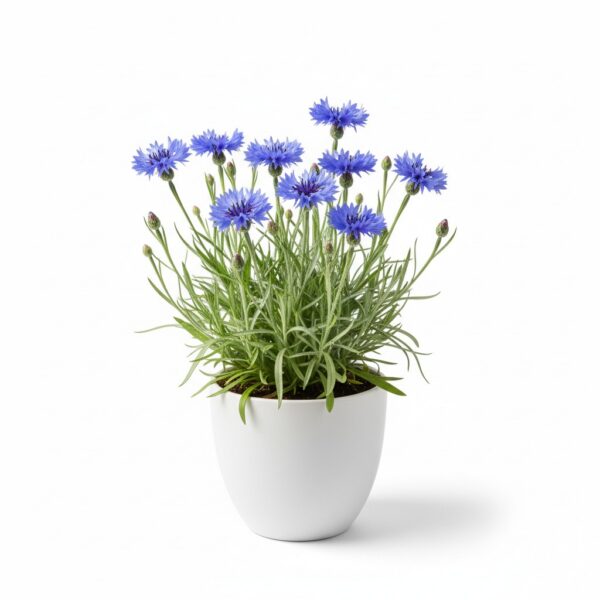
Bachelor's Button
Centaurea cyanus
Bachelor's Button, or Cornflower, is an annual plant typically grown outdoors for its vibrant blue, pink, white, or purple flowers. It features slender, grey-green leaves and an upright growth habit, reaching heights of 1 to 3 feet. While admired for its ornamental value and use in cut flower arrangements, it is primarily an outdoor plant that thrives in full sun. People grow it for its attractive flowers that attract pollinators and its ease of cultivation in gardens and fields.

Old Man Cactus
Cephalocereus senilis
Cephalocereus senilis, the Old Man Cactus, is a columnar cactus characterized by its dense covering of long, white hairs that resemble an old man's beard. This slow-growing cactus can reach heights of up to 15 feet in its native habitat, but typically remains smaller in cultivation. The white hairs serve to protect the plant from intense sunlight and frost. It is primarily an outdoor plant, thriving in arid environments with full sun. People grow it for its unique appearance and novelty.
Quick Plant Comparison
| Feature | Bachelor's Button | Old Man Cactus |
|---|---|---|
| Light | Full sun (at least 6 hours of direct sunlight daily) | Full sun (at least 6-8 hours of direct sunlight daily) |
| Watering | Every 7-10 days, depending on weather and soil drainage | Every 2-4 weeks, depending on environmental conditions and pot size. |
| Humidity | 30-50% | 30-50% |
| Temperature | 15-24°C | 18-27°C |
| Care Level | Expert | Expert |
| Growth Rate | Fast | Slow |
| Max Height | Not typically grown indoors; outdoors 30-90 cm | Up to 1 meter indoors, significantly larger outdoors. |
| Pet Safety | ❌ Toxic To Pets | ❌ Toxic To Pets |
| Soil | Well-draining soil, sandy or loamy soil is ideal | Well-draining cactus mix (a blend of potting soil, perlite, and sand) |
| Beginner Friendly | ❌ No | ❌ No |
| Weekly Maintenance | 5 minutes weekly (deadheading, watering) | 5-10 minutes weekly |
🔬 Botanical Information — Comparing These Plants
Bachelor's Button
| Scientific Name | Centaurea cyanus |
|---|---|
| Family | Asteraceae |
| Native To | Europe, though naturalized in many parts of the world |
| Also Known As | Cornflower, Bluebottle, Boutonniere Flower |
| Leaves | The leaves are slender, lance-shaped, and grey-green in color. They are typically 2-5 cm long and have a slightly hairy texture. |
| Flowers | It rarely flowers indoors. Outdoors, it produces vibrant blue, pink, white, or purple flowers. The flowers are typically 2-4 cm in diameter and have a fringed appearance. |
Old Man Cactus
| Scientific Name | Cephalocereus senilis |
|---|---|
| Family | Cactaceae |
| Native To | Hidalgo and Veracruz, Mexico |
| Also Known As | Old Man Cactus, Old Man of Mexico |
| Leaves | This cactus does not have true leaves. The white hairs are modified spines that cover the entire surface of the stem. |
| Flowers | Rarely flowers indoors. Outdoors, it may produce small, nocturnal flowers in shades of red, yellow, or white, but this is uncommon in cultivation. |
📏 Size & Growth — Plant Comparison
Bachelor's Button
Old Man Cactus
🌱 Propagation — Comparing Plant Growth
Bachelor's Button
Methods: Seed
Difficulty: Easy
Tips: Sow seeds directly into the garden in early spring or fall. Seeds need light to germinate, so do not cover them too deeply. Keep the soil moist until germination occurs.
Old Man Cactus
Methods: Seed, Stem cuttings (difficult)
Difficulty: Difficult
Tips: Stem cuttings require callousing for several weeks before planting in well-draining soil. Seed propagation is slow and requires specific conditions.
✨ Benefits & Features — Comparing Plant Value
Bachelor's Button
Bachelor's Button is known for its vibrant blue flowers, although other colors are available. It is an annual plant that readily self-seeds, making it a reliable addition to the garden year after year. It is also attractive to pollinators, making it a valuable plant for supporting local ecosystems.
- ✓ Attracts pollinators to the garden
- ✓ Provides beautiful cut flowers
- ✓ Edible flowers for culinary use
- ✓ Adds vibrant color to outdoor spaces
- ✓ Easy to grow from seed outdoors
- ⚠️ Toxic to pets
Old Man Cactus
The Old Man Cactus is unique due to its dense covering of white, hair-like spines, which give it a distinctive appearance. These hairs protect the plant from extreme temperatures and sunlight, making it well-adapted to arid environments.
- ✓ Unique aesthetic appeal
- ✓ Low maintenance once established
- ✓ Drought tolerant
- ✓ Adds texture and interest to a plant collection
- ✓ Long-lived
- ⚠️ Toxic to pets
📅 Maintenance Schedule — Plant Care Comparison
Bachelor's Button
Old Man Cactus
🌞 Light Requirements
Bachelor's Button
Full sun (at least 6 hours of direct sunlight daily)
Low light tolerant: ❌ No
Old Man Cactus
Full sun (at least 6-8 hours of direct sunlight daily)
Low light tolerant: ❌ No
💧 Watering Needs
Bachelor's Button
Water thoroughly when the top inch of soil feels dry. Avoid overwatering, which can lead to root rot. In well-draining soil, water deeply but infrequently. Signs of underwatering include wilting and dry, crispy leaves. Overwatering symptoms include yellowing leaves and a soggy soil.
Old Man Cactus
Water thoroughly when the soil is completely dry. Overwatering can lead to root rot. Signs of underwatering include shriveled or wrinkled stems. Signs of overwatering include soft, mushy spots on the cactus.
🌡️ Temperature & Humidity
Bachelor's Button
Temperature: 15-24°C
Humidity: 30-50%
Old Man Cactus
Temperature: 18-27°C
Humidity: 30-50%
🤔 Which Plant Is Right For You?
Bachelor's Button
Centaurea cyanusGardeners who want to attract pollinators to their outdoor gardens.
✅ Choose This Plant If...
- You want to attract pollinators to your garden.
- You enjoy cut flowers and want to grow your own.
- You want a low-maintenance annual for a sunny spot.
- You want to add a splash of vibrant color to your garden.
- You enjoy edible flowers in salads or teas.
❌ Skip This Plant If...
- You have pets that might ingest the plant.
- You don't have a sunny outdoor space.
- You are looking for a low-maintenance indoor plant.
Old Man Cactus
Cephalocereus senilisExperienced plant owners who can provide ample sunlight and proper drainage.
✅ Choose This Plant If...
- You want a unique and visually striking cactus.
- You have a very sunny location, either outdoors or a sunroom.
- You are experienced with cactus care and understand their specific needs.
- You appreciate slow-growing plants that don't require frequent repotting.
- You are fascinated by desert plants and their adaptations.
❌ Skip This Plant If...
- You cannot provide at least 6-8 hours of direct sunlight daily.
- You tend to overwater plants.
- You have pets that might be tempted to chew on the cactus.
- You are a beginner plant owner.
🎯 Quick Verdict
⚡ Key Differences Between These Plants
Bachelor's Button needs full sun (at least 6 hours of direct sunlight daily), while Old Man Cactus prefers full sun (at least 6-8 hours of direct sunlight daily).
Bachelor's Button has fast growth, while Old Man Cactus grows slow.
💡 Pro Tips For Comparing These Plants
Bachelor's Button Care Tips
Bachelor's Button is primarily an outdoor plant and is challenging to grow indoors due to its high light requirements. It needs full sun and well-draining soil. Indoor cultivation requires supplemental lighting and careful watering to prevent fungal diseases. It is best suited for outdoor gardens.
- Sow seeds directly in the garden in early spring or fall.
- Choose a location with full sun and well-draining soil.
- Water regularly, especially during dry periods.
- Deadhead spent flowers to encourage more blooms.
- Protect from strong winds.
Old Man Cactus Care Tips
Old Man Cactus is primarily an outdoor plant that requires very bright light and well-draining soil. It can be challenging to grow indoors due to its high light requirements. Overwatering is a common issue. Requires very specific conditions to thrive.
- Use a terracotta pot to promote better drainage.
- Allow the soil to dry out completely between waterings.
- Provide excellent ventilation to prevent fungal diseases.
- Protect from frost in colder climates.
- Fertilize sparingly during the growing season.
⚠️ Common Problems & Solutions — Plant Care Comparison
Bachelor's Button
Old Man Cactus
❓ Frequently Asked Questions — Comparing These Plants
Bachelor's Button
What are the light requirements for Bachelor's Button?
Bachelor’s Buttons require at least 6-8 hours of direct sunlight each day to thrive. Insufficient light can result in leggy growth, fewer blooms, and pale foliage. Choose a location in your garden that receives full sun throughout the day. If growing indoors, place them near a south-facing window where they can receive ample sunlight.
How do I care for Bachelor's Button?
Bachelor’s Buttons thrive in full sun and well-drained soil. Water regularly, especially during dry periods, but avoid overwatering to prevent root rot. Fertilize with a balanced, slow-release fertilizer in spring to encourage abundant blooms. Deadhead spent flowers regularly to promote continuous flowering throughout the season. These plants are relatively cold-hardy but may benefit from a layer of mulch in colder climates.
How do I propagate Bachelor's Button?
Bachelor’s Buttons are primarily propagated by seed. Allow some flowers to go to seed and collect the seeds once they are dry. Sow the seeds in spring or fall in well-drained soil. Keep the soil consistently moist until germination. Thin seedlings to ensure proper spacing.
Old Man Cactus
What are the light requirements for Old Man Cactus?
Old Man Cactus thrives in bright, direct sunlight. Ideally, place it near a south-facing window where it can receive at least six hours of sunlight each day. Insufficient light can cause etiolation, where the cactus becomes elongated and pale.
How do I care for Old Man Cactus?
The Old Man Cactus requires a bright, sunny location with at least six hours of direct sunlight per day. Use a well-draining cactus mix and water sparingly, only when the soil is completely dry. Overwatering is a common cause of root rot, so be cautious. Fertilize sparingly during the growing season (spring and summer) with a diluted cactus fertilizer. During the winter dormancy, withhold watering and fertilization altogether.
How do I propagate Old Man Cactus?
Old Man Cactus can be propagated by offsets, seeds, or grafting. Offsets that grow at the base of the plant can be carefully removed and planted in well-draining cactus mix. Allow the offset to callous over for a few days before planting.
Last updated: May 1, 2026 — Plant care data reviewed and verified by our editorial team.