
Australian Tree Fern vs Globe Artichoke Plant Comparison
Compare these two plants side by side — care needs, key differences, and which is right for your home.

Australian Tree Fern
Cyathea cooperi
The Australian Tree Fern (Cyathea cooperi) is a fast-growing tree fern characterized by its elegant, arching fronds and distinctive trunk covered in brown scales. It's primarily an outdoor plant, thriving in humid, subtropical environments. Its large size and specific environmental needs make it challenging to grow indoors long-term. People grow it for its tropical appearance and architectural interest in gardens and landscapes. It can reach impressive heights in its natural habitat. The plant's beauty lies in its delicate-looking but resilient fronds.
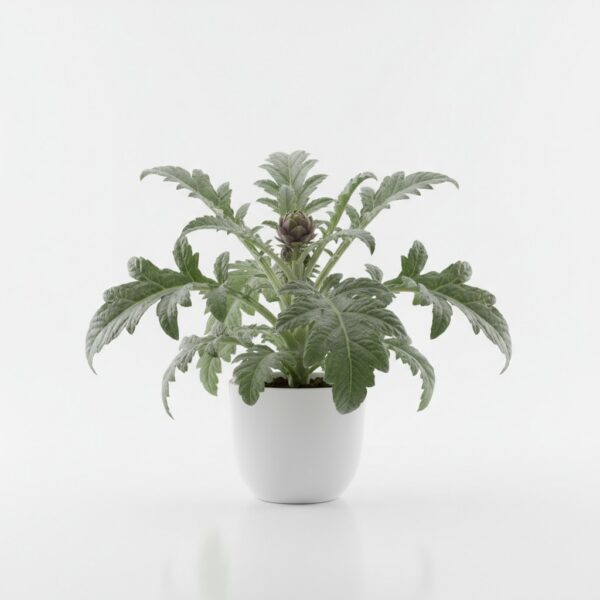
Globe Artichoke
Cynara scolymus
The globe artichoke is a perennial thistle growing to 1.4–2 meters tall, with arching, deeply lobed, silvery-green leaves 50–82 cm long. It is cultivated as a food. The edible portion of the plant consists of the flower buds before the flowers come into bloom. The 'choke' is the immature flower parts. Artichokes are grown for their edible flower buds, which are a culinary delicacy. It is primarily an outdoor plant, requiring significant space and specific climate conditions to thrive. Indoor cultivation is extremely challenging.
Quick Plant Comparison
| Feature | Australian Tree Fern | Globe Artichoke |
|---|---|---|
| Light | Bright, indirect light to partial shade. Avoid direct sunlight, especially during the hottest part of the day. | Full sun (at least 6-8 hours of direct sunlight daily) |
| Watering | Every 2-4 days, depending on environmental conditions and pot size. | 2-3 times per week, depending on weather and soil drainage |
| Humidity | 60-80% | 40-60% |
| Temperature | 18-24°C | 15-24°C |
| Care Level | Expert | Expert |
| Growth Rate | Fast | Moderate |
| Max Height | Indoors: 1-2 meters (difficult to maintain this size long-term) | Outdoor: 1.4-2 meters. Indoor (highly unlikely): 0.5-1 meter (if somehow managed) |
| Pet Safety | ✅ Safe | ❌ Toxic To Pets |
| Soil | Well-draining, slightly acidic soil rich in organic matter. A mix of peat moss, perlite, and tree fern fiber is ideal. | Well-draining, fertile soil rich in organic matter. A slightly acidic to neutral pH (6.0-7.0) is ideal. |
| Beginner Friendly | ❌ No | ❌ No |
| Weekly Maintenance | 30 minutes weekly | 1-2 hours weekly during the growing season |
🔬 Botanical Information — Comparing These Plants
Australian Tree Fern
| Scientific Name | Cyathea cooperi |
|---|---|
| Family | Cyatheaceae |
| Native To | Eastern Australia (New South Wales and Queensland) |
| Also Known As | Australian Tree Fern, Cooper's Cyathea, Lacy Tree Fern |
| Leaves | Large, lacy, bright green fronds that can reach up to 4 meters in length. The fronds are divided into numerous leaflets, giving them a delicate and feathery appearance. |
| Flowers | Does not flower indoors. Tree ferns reproduce via spores, not flowers. |
Globe Artichoke
| Scientific Name | Cynara scolymus |
|---|---|
| Family | Asteraceae |
| Native To | Mediterranean region |
| Also Known As | Artichoke, French artichoke, Green artichoke |
| Leaves | The leaves are large, deeply lobed, and silvery-green in color. They can grow up to 82 cm long and have a slightly prickly texture. |
| Flowers | Artichokes rarely flower indoors. Outdoors, if the buds are not harvested, they will open into beautiful, thistle-like purple flowers. |
📏 Size & Growth — Plant Comparison
Australian Tree Fern
Globe Artichoke
🌱 Propagation — Comparing Plant Growth
Australian Tree Fern
Methods: Spores, Division (of pups that grow at the base of the trunk)
Difficulty: Difficult
Tips: Spore propagation is very slow and requires sterile conditions. Division is more practical but requires careful handling to avoid damaging the parent plant.
Globe Artichoke
Methods: Seed, division of offsets (suckers)
Difficulty: Moderate
Tips: For seed propagation, start seeds indoors 8-10 weeks before the last frost. For division, separate offsets from the parent plant in early spring or late fall. Ensure each offset has roots.
✨ Benefits & Features — Comparing Plant Value
Australian Tree Fern
The Australian Tree Fern's fast growth rate and large size distinguish it from other ferns. Its trunk, covered in brown scales, adds a unique texture and visual appeal. It's also relatively adaptable to different soil types.
- ✓ Creates a lush, tropical atmosphere
- ✓ Adds architectural interest to gardens
- ✓ Provides a sense of tranquility
- ✓ Can improve indoor air quality slightly by increasing humidity
- ✓ Offers a connection to nature
- 🐾 Pet Safe
Globe Artichoke
The globe artichoke is a perennial thistle cultivated for its edible flower buds. It is a striking plant with large, silvery-green foliage, making it an attractive addition to any garden. Its unique flavor and culinary versatility make it a prized vegetable.
- ✓ Provides fresh, homegrown artichokes.
- ✓ Attracts pollinators to the garden.
- ✓ Adds visual interest with its large, silvery-green foliage.
- ✓ Can be a rewarding and challenging gardening project.
- ✓ Offers a unique culinary experience.
- ⚠️ Toxic to pets
📅 Maintenance Schedule — Plant Care Comparison
Australian Tree Fern
Globe Artichoke
🌞 Light Requirements
Australian Tree Fern
Bright, indirect light to partial shade. Avoid direct sunlight, especially during the hottest part of the day.
Low light tolerant: ❌ No
Globe Artichoke
Full sun (at least 6-8 hours of direct sunlight daily)
Low light tolerant: ❌ No
💧 Watering Needs
Australian Tree Fern
Water frequently to keep the soil consistently moist but not waterlogged. Allow the top inch of soil to slightly dry out before watering again. Overwatering can lead to root rot, while underwatering will cause the fronds to dry and brown. Ensure good drainage.
Globe Artichoke
Water deeply when the top inch of soil feels dry. Avoid overwatering, which can lead to root rot. Ensure good drainage. Signs of overwatering include yellowing leaves and a soggy soil. Underwatering is indicated by wilting and dry, crispy leaves.
🌡️ Temperature & Humidity
Australian Tree Fern
Temperature: 18-24°C
Humidity: 60-80%
Globe Artichoke
Temperature: 15-24°C
Humidity: 40-60%
🤔 Which Plant Is Right For You?
Australian Tree Fern
Cyathea cooperiExperienced plant enthusiasts who can provide the high humidity and bright, indirect light required for this fern to thrive.
✅ Choose This Plant If...
- You want a dramatic, tropical statement plant for a large, bright space.
- You can provide consistently high humidity.
- You are experienced with fern care.
- You live in a mild climate where it can be grown outdoors year-round.
- You have a greenhouse or conservatory.
❌ Skip This Plant If...
- You have limited space.
- You cannot provide high humidity.
- You are a beginner plant owner.
Globe Artichoke
Cynara scolymusExperienced gardeners in regions with mild winters who want to grow their own artichokes.
✅ Choose This Plant If...
- You have a sunny outdoor garden and want to grow your own artichokes.
- You enjoy the challenge of growing unique and rewarding plants.
- You live in a region with mild winters suitable for artichoke cultivation.
- You are looking for a plant that attracts pollinators to your garden.
- You appreciate the culinary value of fresh, homegrown artichokes.
❌ Skip This Plant If...
- You have limited space, especially indoors.
- You live in a region with harsh winters.
- You have pets that might ingest the plant.
- You are a beginner gardener.
- You don't have access to full sun.
🎯 Quick Verdict
⚡ Key Differences Between These Plants
Australian Tree Fern has fast growth, while Globe Artichoke grows moderate.
💡 Pro Tips For Comparing These Plants
Australian Tree Fern Care Tips
Australian Tree Ferns are challenging to grow indoors due to their high humidity and light requirements. They need consistent moisture and are prone to drying out in typical indoor environments. Maintaining adequate humidity is crucial for their survival. They are best suited for outdoor environments or greenhouses.
- Mist the fronds regularly to increase humidity.
- Use rainwater or distilled water to avoid mineral buildup on the fronds.
- Provide good air circulation to prevent fungal diseases.
- Protect from strong winds, which can damage the fronds.
- Fertilize regularly during the growing season with a balanced liquid fertilizer.
Globe Artichoke Care Tips
Globe artichokes are challenging to grow indoors due to their high light requirements, large size, and need for specific temperature conditions. They are best suited for outdoor gardens. Indoor cultivation requires intense supplemental lighting, a very large container, and careful monitoring of watering and humidity.
- Provide full sun for optimal growth and bud production.
- Water deeply but infrequently, allowing the soil to dry slightly between waterings.
- Fertilize regularly during the growing season with a balanced fertilizer.
- Protect from frost in colder climates by mulching heavily.
- Harvest buds when they are tight and firm, before the petals begin to open.
⚠️ Common Problems & Solutions — Plant Care Comparison
Australian Tree Fern
Globe Artichoke
❓ Frequently Asked Questions — Comparing These Plants
Australian Tree Fern
What are the light requirements for Australian Tree Fern?
Australian Tree Ferns require bright, indirect light to thrive. Direct sunlight can scorch their delicate fronds, causing them to turn brown and crispy. An east-facing window is often ideal, providing gentle morning light. A north-facing window can also work, especially if supplemented with artificial light. If you place your fern near a south or west-facing window, use a sheer curtain to filter the light.
How do I care for Australian Tree Fern?
The Australian Tree Fern thrives in consistently moist conditions and high humidity. Water thoroughly when the top inch of the soil feels slightly dry. Avoid letting the soil dry out completely, as this can lead to browning fronds. Provide bright, indirect light; direct sunlight can scorch the fronds. Maintain humidity levels above 60% by misting regularly, using a humidifier, or placing the pot on a pebble tray filled with water.
How do I propagate Australian Tree Fern?
Australian Tree Ferns can be propagated by division or spores, though spore propagation is more challenging. For division, carefully separate the trunk into sections, ensuring each section has roots. Plant each section in its own pot with well-draining soil. Keep the soil consistently moist and provide high humidity.
Globe Artichoke
What are the light requirements for Globe Artichoke?
Globe Artichokes thrive in full sun. They need at least 6-8 hours of direct sunlight each day to produce healthy foliage and flower buds. Insufficient light can lead to leggy growth, reduced bud production, and pale leaves. When grown indoors, place your artichoke plant near a south-facing window where it can receive the most sunlight.
How do I care for Globe Artichoke?
Globe Artichokes require full sun, ideally at least 6-8 hours per day. Plant in well-draining soil that is rich in organic matter. Water deeply and regularly, especially during dry periods, but avoid waterlogging. Fertilize monthly during the growing season with a balanced fertilizer, increasing phosphorus levels to encourage blooming.
How do I propagate Globe Artichoke?
Globe Artichokes can be propagated through division, stem cuttings, or from seed. Division is the most common method. In early spring or fall, carefully dig up an established plant and divide the root ball into sections, ensuring each section has healthy roots and shoots. Plant the divisions in well-draining soil.
Last updated: May 12, 2026 — Plant care data reviewed and verified by our editorial team.