
Aubrieta vs Ligustrum Plant Comparison
Compare these two plants side by side — care needs, key differences, and which is right for your home.

Aubrieta
Aubrieta deltoidea
Aubrieta deltoidea, commonly known as Rock Cress, is a low-growing, spreading perennial plant prized for its vibrant spring blooms. It forms a dense mat of small, gray-green, slightly hairy, deltoid (triangular) leaves. In spring, it becomes covered in a profusion of small, four-petaled flowers, typically in shades of purple, lavender, pink, or blue. It's primarily grown outdoors in rock gardens, walls, or as ground cover. While technically possible to grow indoors, it's challenging to replicate the necessary conditions for optimal flowering and overall health.
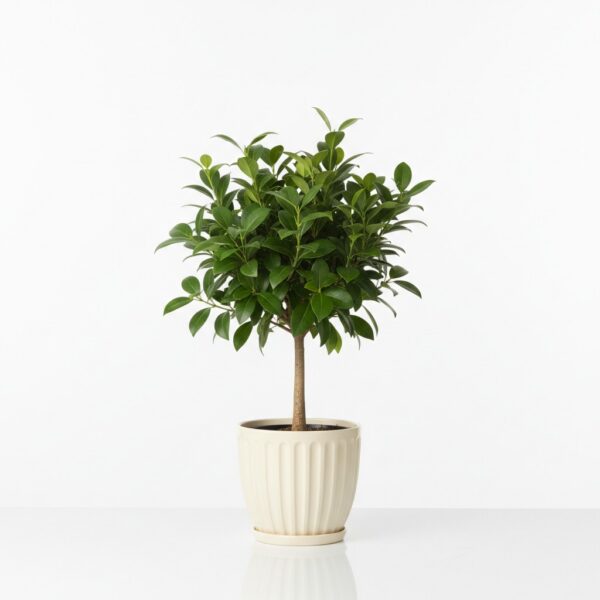
Ligustrum
Ligustrum spp.
Ligustrum, commonly known as privet, is a genus of shrubs and small trees often used for hedging and topiary. They are characterized by their dense foliage, opposite leaves, and clusters of small, white, fragrant flowers, followed by dark berries. While primarily outdoor plants valued for their adaptability and ease of shaping, some species are occasionally brought indoors, though they rarely thrive due to insufficient light and humidity. They are grown for their formal appearance and ability to create privacy screens.
Quick Plant Comparison
| Feature | Aubrieta | Ligustrum |
|---|---|---|
| Light | Full sun to partial shade. Requires at least 6 hours of direct sunlight daily for optimal flowering. | Full sun to partial shade. Requires at least 6 hours of direct sunlight daily for optimal growth and flowering. |
| Watering | Every 7-10 days during the growing season, less frequently in winter. | Every 7-10 days outdoors, less frequently indoors (every 2-3 weeks, depending on conditions). |
| Humidity | 30-50% | 30-50% |
| Temperature | 10-24°C | 15-27°C |
| Care Level | Expert | Expert |
| Growth Rate | Moderate | Moderate To Fast |
| Max Height | 10-15 cm (indoors unlikely to thrive) | Rarely exceeds 1-2 meters indoors. Outdoors, can reach up to 5 meters or more. |
| Pet Safety | ✅ Safe | ❌ Toxic To Pets |
| Soil | Well-draining, slightly alkaline soil. A mix of garden soil, sand, and perlite is suitable. | Well-draining soil, such as a mix of potting soil, perlite, and sand. |
| Beginner Friendly | ❌ No | ❌ No |
| Weekly Maintenance | 15 minutes weekly (weeding, watering, deadheading) | 30 minutes weekly (including watering, pruning, and pest checks). |
🔬 Botanical Information — Comparing These Plants
Aubrieta
| Scientific Name | Aubrieta deltoidea |
|---|---|
| Family | Brassicaceae |
| Native To | Southeastern Europe and Asia Minor |
| Also Known As | Aubrieta, Rock Cress, False Rock Cress |
| Leaves | The leaves of Aubrieta are small, typically 1-2 cm long, and have a deltoid (triangular) shape. They are gray-green in color and slightly hairy, giving them a soft, textured appearance. The leaves are arranged alternately along the stems. |
| Flowers | Aubrieta rarely flowers indoors due to insufficient light and cool temperatures. Outdoors, it produces a profusion of small, four-petaled flowers in spring. The flowers are typically 1-2 cm in diameter and come in shades of purple, lavender, pink, or blue. They are clustered together, creating a vibrant display. |
Ligustrum
| Scientific Name | Ligustrum spp. |
|---|---|
| Family | Oleaceae |
| Native To | Native to Europe, North Africa, and Asia, with various species originating from different regions within these continents. |
| Also Known As | Privet, Common Privet, Japanese Privet, Chinese Privet, Wax-leaf Privet |
| Leaves | Opposite, simple, lanceolate to ovate leaves, typically 5-10 cm long. The color varies depending on the species, ranging from dark green to variegated forms with yellow or white margins. Leaves have a smooth texture. |
| Flowers | Rarely flowers indoors. Outdoors, it produces clusters of small, white, fragrant flowers in late spring or early summer. |
📏 Size & Growth — Plant Comparison
Aubrieta
Ligustrum
🌱 Propagation — Comparing Plant Growth
Aubrieta
Methods: Seed, Stem cuttings, Division
Difficulty: Easy
Tips: For seeds, sow indoors 6-8 weeks before the last frost or directly outdoors in spring or fall. For stem cuttings, take cuttings in late spring or early summer and root them in moist soil. Division is best done in spring or fall.
Ligustrum
Methods: Stem cuttings, Seed
Difficulty: Moderate
Tips: Take semi-hardwood cuttings in late summer. Dip the cut end in rooting hormone and plant in a well-draining potting mix. Keep the soil moist and provide indirect light until roots develop.
✨ Benefits & Features — Comparing Plant Value
Aubrieta
Aubrieta's vibrant spring blooms create a carpet of color, making it a standout in rock gardens. Its drought tolerance and low-maintenance nature make it a practical choice for gardeners seeking beauty with minimal effort. The plant's ability to attract pollinators further enhances its value in the landscape.
- ✓ Attracts pollinators to your garden.
- ✓ Provides a beautiful ground cover with vibrant spring blooms.
- ✓ Requires minimal maintenance once established.
- ✓ Adds a touch of color and texture to rock gardens and walls.
- ✓ Drought-tolerant, conserving water.
- 🐾 Pet Safe
Ligustrum
Its dense foliage and ability to be shaped into hedges or topiary make it a unique choice for formal gardens. The fragrant flowers are also a notable characteristic.
- ✓ Provides a formal aesthetic.
- ✓ Can be shaped into various forms.
- ✓ Offers a sense of structure and order.
- ✓ May improve indoor air quality slightly.
- ✓ Can be a rewarding challenge for experienced gardeners.
- ⚠️ Toxic to pets
📅 Maintenance Schedule — Plant Care Comparison
Aubrieta
Ligustrum
🌞 Light Requirements
Aubrieta
Full sun to partial shade. Requires at least 6 hours of direct sunlight daily for optimal flowering.
Low light tolerant: ❌ No
Ligustrum
Full sun to partial shade. Requires at least 6 hours of direct sunlight daily for optimal growth and flowering.
Low light tolerant: ❌ No
💧 Watering Needs
Aubrieta
Water thoroughly when the top inch of soil feels dry. Avoid overwatering, which can lead to root rot. Ensure good drainage. During the growing season (spring), water more frequently. Reduce watering in the winter.
Ligustrum
Water thoroughly when the top inch of soil is dry. Avoid overwatering, which can lead to root rot. Signs of underwatering include wilting leaves, while overwatering can cause yellowing leaves and leaf drop.
🌡️ Temperature & Humidity
Aubrieta
Temperature: 10-24°C
Humidity: 30-50%
Ligustrum
Temperature: 15-27°C
Humidity: 30-50%
🤔 Which Plant Is Right For You?
Aubrieta
Aubrieta deltoideaGardeners with rock gardens or walls who want a low-maintenance, flowering ground cover.
✅ Choose This Plant If...
- You want a low-growing, spreading plant for your rock garden.
- You desire a plant that attracts pollinators like bees and butterflies.
- You need a drought-tolerant ground cover once established.
- You want a plant with vibrant spring blooms in shades of purple, pink, or blue.
- You have a sunny location with well-draining soil.
❌ Skip This Plant If...
- You don't have a sunny outdoor location.
- You want a plant that thrives indoors with minimal effort.
- You live in a very humid climate with poor drainage.
Ligustrum
Ligustrum spp.Experienced gardeners who want to attempt growing a hedging plant indoors, understanding the challenges.
✅ Choose This Plant If...
- You enjoy the challenge of growing outdoor plants indoors.
- You have a very bright, sunny location.
- You are experienced with pruning and shaping plants.
- You want a formal, structured plant.
- You are willing to provide extra care to meet its needs.
❌ Skip This Plant If...
- You have pets that might ingest the plant.
- You lack a bright, sunny location.
- You are a beginner gardener.
- You prefer low-maintenance plants.
🎯 Quick Verdict
⚡ Key Differences Between These Plants
Aubrieta has moderate growth, while Ligustrum grows moderate to fast.
💡 Pro Tips For Comparing These Plants
Aubrieta Care Tips
Aubrieta is primarily an outdoor plant and is challenging to grow indoors. It requires full sun, well-draining soil, and cool temperatures to thrive. Indoor cultivation often results in poor flowering and leggy growth. It's best suited for outdoor rock gardens and walls.
- Provide excellent drainage to prevent root rot.
- Prune lightly after flowering to encourage bushier growth.
- Avoid over-fertilizing, as this can lead to leggy growth.
- Water deeply but infrequently, allowing the soil to dry out between waterings.
- Protect from excessive winter moisture to prevent fungal diseases.
Ligustrum Care Tips
Privet is primarily an outdoor plant and challenging to maintain indoors due to its high light requirements and need for well-draining soil. It requires regular pruning to maintain its shape and can be susceptible to pests and diseases. Indoor cultivation is generally not recommended.
- Provide at least 6 hours of direct sunlight daily.
- Use well-draining soil to prevent root rot.
- Prune regularly to maintain shape and size.
- Monitor for pests and diseases.
- Fertilize regularly during the growing season.
⚠️ Common Problems & Solutions — Plant Care Comparison
Aubrieta
Ligustrum
❓ Frequently Asked Questions — Comparing These Plants
Aubrieta
What are the light requirements for Aubrieta?
Aubrieta requires at least six hours of direct sunlight per day for optimal flowering. In hotter climates, providing some afternoon shade can prevent scorching of the foliage. A south-facing location is ideal, but east or west-facing sites can also work well if they receive sufficient sunlight. Insufficient light can lead to leggy growth, reduced flowering, and faded colors. If growing Aubrieta in containers, rotate them regularly to ensure even exposure to sunlight. Observe the plant’s growth and flowering patterns to determine if it is receiving adequate light. Adjust the location or provide supplemental lighting if necessary to promote healthy growth and abundant blooms.
How do I care for Aubrieta?
Aubrieta thrives in full sun to partial shade. It prefers well-drained, slightly alkaline soil. Water regularly, especially during dry periods, but avoid overwatering to prevent root rot. Fertilize in early spring with a balanced fertilizer to promote vigorous growth and abundant blooms. Prune after flowering to maintain shape and encourage reblooming. Deadhead spent flowers to prevent seed production and redirect energy into further flowering. Aubrieta is generally hardy and can tolerate frost, but mulching around the base of the plant can provide extra protection in colder climates. Monitor for pests and diseases, and treat promptly if necessary. Provide good air circulation to prevent fungal problems. Proper care will ensure a long-lasting and vibrant display of color.
How do I propagate Aubrieta?
Aubrieta can be propagated by division, stem cuttings, or seed. For division, carefully dig up the plant in spring or fall and divide the root ball into smaller sections. For stem cuttings, take 4-6 inch cuttings in late spring or early summer, remove the lower leaves, and root them in moist potting mix. Keep the cuttings in a humid environment until they develop roots. Seeds can be sown directly in the garden in spring or fall. Keep the soil moist and provide adequate sunlight. Division is the easiest and most reliable method.
Ligustrum
What are the light requirements for Ligustrum?
Ligustrum requires bright, indirect light to thrive indoors. Insufficient light can lead to leggy growth and pale leaves. A location near an east-facing or west-facing window is ideal, providing ample light without direct sun exposure. If placing near a south-facing window, use a sheer curtain to filter the light.
How do I care for Ligustrum?
Ligustrum thrives indoors with bright, indirect light. Direct sunlight can scorch its leaves. Water thoroughly when the top inch of soil feels dry, ensuring good drainage to prevent root rot. Maintain moderate humidity levels, especially during dry months, by misting regularly or using a humidifier.
How do I propagate Ligustrum?
Ligustrum can be propagated easily through stem cuttings or air layering.
Last updated: April 30, 2026 — Plant care data reviewed and verified by our editorial team.