
Aster vs Pot Marigold Plant Comparison
Compare these two plants side by side — care needs, key differences, and which is right for your home.
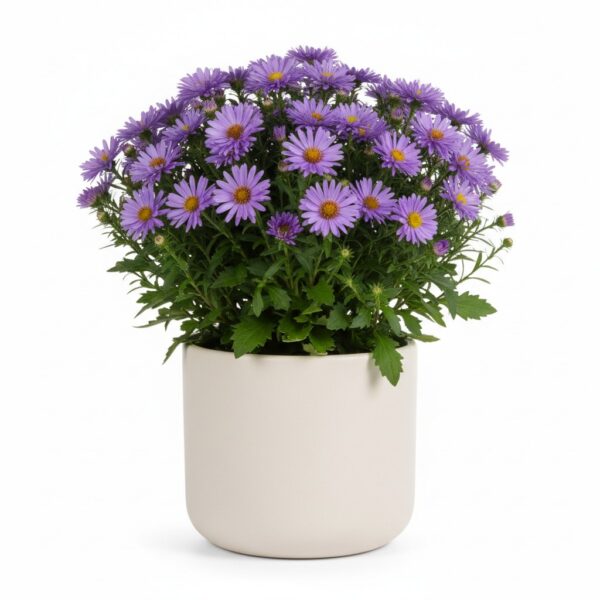
Aster
Aster spp.
Asters are primarily late-summer and fall-blooming perennials, known for their daisy-like flowers in various shades of purple, pink, blue, and white. They are herbaceous plants, meaning they die back to the ground in winter and re-emerge in spring. Asters are popular garden plants, providing a burst of color when many other flowers are fading. They attract pollinators like bees and butterflies. While some species are more compact, others can be quite tall and spreading. Asters are generally outdoor plants and struggle indoors due to high light requirements and dormancy needs.

Pot Marigold
Calendula officinalis
Calendula officinalis, commonly known as pot marigold, is an annual herbaceous plant typically grown outdoors. It reaches a height of 30-60 cm and features bright orange or yellow daisy-like flowers. The plant is known for its medicinal properties and is often used in skincare products and herbal remedies. It's cultivated for its vibrant blooms, which attract pollinators, and its edible petals, which can add color to salads and other dishes. While it can be started indoors, it thrives outdoors in full sun.
Quick Plant Comparison
| Feature | Aster | Pot Marigold |
|---|---|---|
| Light | Full sun to partial shade. Requires at least 6 hours of direct sunlight daily for optimal flowering. | Full sun to partial shade. Requires at least 6 hours of direct sunlight daily for optimal flowering. |
| Watering | Outdoors: Every 7-10 days, depending on weather and soil drainage. Indoors (not recommended): Much less frequent, allow soil to dry significantly between waterings. | Every 5-7 days, depending on weather and soil drainage. |
| Humidity | 40-60% | 30-50% |
| Temperature | 15-25°C | 15-25°C |
| Care Level | Expert | Expert |
| Growth Rate | Moderate To Fast, Some Species Can Be Aggressive Spreaders Via Rhizomes | Fast |
| Max Height | Outdoors: 30cm - 1.5m depending on species. Indoors: Unlikely to thrive, but if attempted, expect significantly smaller size. | 30-60 cm (outdoors) |
| Pet Safety | ❌ Toxic To Pets | ❌ Toxic To Pets |
| Soil | Well-drained, loamy soil. A mix of garden soil, compost, and perlite is suitable. | Well-draining soil, such as a mix of potting soil, perlite, and compost. |
| Beginner Friendly | ❌ No | ❌ No |
| Weekly Maintenance | 15-30 minutes weekly (weeding, watering, deadheading) | 10 minutes weekly |
🔬 Botanical Information — Comparing These Plants
Aster
| Scientific Name | Aster spp. |
|---|---|
| Family | Asteraceae |
| Native To | North America and Eurasia |
| Also Known As | Aster, Michaelmas Daisy, Starwort |
| Leaves | Aster leaves are typically lance-shaped to oval, with a slightly rough texture. The color is usually green, but can vary depending on the species. The size of the leaves ranges from small to medium. |
| Flowers | Asters produce daisy-like flowers with a central disc and ray petals. The flower colors range from purple, pink, blue, and white. They bloom profusely in late summer and fall. |
Pot Marigold
| Scientific Name | Calendula officinalis |
|---|---|
| Family | Asteraceae |
| Native To | Southern Europe, possibly Egypt |
| Also Known As | Pot Marigold, Common Marigold, Scotch Marigold |
| Leaves | The leaves are lance-shaped, light green, and slightly hairy. They are arranged alternately along the stem and have a slightly sticky texture. |
| Flowers | It rarely flowers indoors due to insufficient light. Outdoors, it produces bright orange or yellow daisy-like flowers with a central disc. The flowers are typically 4-7 cm in diameter. |
📏 Size & Growth — Plant Comparison
Aster
Pot Marigold
🌱 Propagation — Comparing Plant Growth
Aster
Methods: Seed, stem cuttings, division
Difficulty: Easy To Moderate
Tips: Divide established clumps in spring or fall. Take stem cuttings in late spring or early summer. Sow seeds indoors 6-8 weeks before the last frost.
Pot Marigold
Methods: Seed, Stem cuttings
Difficulty: Easy
Tips: Sow seeds directly into the garden in spring or start them indoors 6-8 weeks before the last frost. For stem cuttings, take 4-6 inch cuttings and root them in water or moist soil.
✨ Benefits & Features — Comparing Plant Value
Aster
Asters are known for their late-season blooms, providing color when many other flowers have faded. They are also important food sources for pollinators preparing for winter. Some species are aggressive spreaders, forming large colonies over time.
- ✓ Attracts pollinators to your garden.
- ✓ Provides late-season color and extends the blooming season.
- ✓ Relatively low-maintenance once established.
- ✓ Can be used as cut flowers.
- ✓ Adds a natural and wild aesthetic to the landscape.
- ⚠️ Toxic to pets
Pot Marigold
Unlike true marigolds (Tagetes), Calendula officinalis has medicinal properties and edible petals. Its sticky resinous qualities are also unique. It's a cool-season annual that can tolerate light frost.
- ✓ Attracts pollinators to the garden
- ✓ Provides edible petals for culinary use
- ✓ Offers potential medicinal benefits for skin care
- ✓ Adds vibrant color to outdoor spaces
- ✓ Easy to grow from seed outdoors
- ⚠️ Toxic to pets
📅 Maintenance Schedule — Plant Care Comparison
Aster
Pot Marigold
🌞 Light Requirements
Aster
Full sun to partial shade. Requires at least 6 hours of direct sunlight daily for optimal flowering.
Low light tolerant: ❌ No
Pot Marigold
Full sun to partial shade. Requires at least 6 hours of direct sunlight daily for optimal flowering.
Low light tolerant: ❌ No
💧 Watering Needs
Aster
Water thoroughly when the top inch of soil feels dry. Avoid overwatering, which can lead to root rot. Asters prefer consistently moist but well-drained soil. Signs of underwatering include wilting leaves and dry, crispy edges. Overwatering symptoms include yellowing leaves and a soggy soil.
Pot Marigold
Water deeply when the top inch of soil feels dry. Avoid overwatering, which can lead to root rot. Signs of underwatering include wilting leaves and dry soil. Signs of overwatering include yellowing leaves and soggy soil.
🌡️ Temperature & Humidity
Aster
Temperature: 15-25°C
Humidity: 40-60%
Pot Marigold
Temperature: 15-25°C
Humidity: 30-50%
🤔 Which Plant Is Right For You?
Aster
Aster spp.Gardeners looking for late-season color and pollinator-attracting plants.
✅ Choose This Plant If...
- You want a burst of color in your garden in late summer and fall.
- You want to attract pollinators like bees and butterflies to your yard.
- You have a sunny garden space with well-drained soil.
- You are looking for a relatively low-maintenance perennial for outdoor planting.
- You enjoy cut flowers and want to add asters to your bouquets.
❌ Skip This Plant If...
- You have limited sunlight indoors and cannot provide at least 6 hours of direct sun.
- You have pets that might ingest the plant, as it is toxic to dogs, cats, and horses.
- You are looking for a plant that thrives indoors with minimal effort.
Pot Marigold
Calendula officinalisGardeners looking for a colorful and useful addition to their flower beds or herb gardens.
✅ Choose This Plant If...
- You want a vibrant, edible flower in your garden.
- You need a plant that attracts pollinators.
- You are interested in herbal remedies and skincare.
- You have a sunny garden space.
- You want an easy-to-grow annual for cut flowers.
❌ Skip This Plant If...
- You have pets that might ingest it.
- You lack a sunny outdoor space.
- You are looking for a low-maintenance indoor plant.
🎯 Quick Verdict
⚡ Key Differences Between These Plants
Aster has moderate to fast, some species can be aggressive spreaders via rhizomes growth, while Pot Marigold grows fast.
💡 Pro Tips For Comparing These Plants
Aster Care Tips
Asters are primarily outdoor plants that require full sun and well-drained soil. They are not well-suited for indoor growing due to their high light requirements and dormancy needs. Indoor attempts will likely result in leggy growth and poor flowering. Regular deadheading encourages more blooms.
- Provide full sun for optimal flowering.
- Ensure well-drained soil to prevent root rot.
- Deadhead spent flowers regularly to encourage more blooms.
- Divide plants every few years to prevent overcrowding.
- Monitor for pests and diseases and treat promptly.
Pot Marigold Care Tips
Pot marigold is primarily an outdoor plant. While it can be started indoors, it requires full sun to thrive and flower properly. Indoor cultivation is challenging due to the need for intense light and good air circulation. It is toxic to pets.
- Deadhead spent flowers regularly to prolong blooming.
- Provide well-draining soil to prevent root rot.
- Water deeply but infrequently, allowing the soil to dry slightly between waterings.
- Fertilize lightly during the growing season to encourage abundant blooms.
- Protect from strong winds, which can damage the delicate stems.
⚠️ Common Problems & Solutions — Plant Care Comparison
Aster
Pot Marigold
❓ Frequently Asked Questions — Comparing These Plants
Aster
What are the light requirements for Aster?
Asters are sun-loving plants and require at least 6-8 hours of direct sunlight per day to thrive and produce abundant blooms. Insufficient light can lead to leggy growth, reduced flowering, and weaker stems. When growing asters indoors, place them near a sunny window that receives ample sunlight. If natural light is limited, supplement with grow lights to ensure they receive adequate illumination. Rotate the plants regularly to ensure even light exposure on all sides. Avoid placing them in overly shaded areas, as this can hinder their growth and flowering potential. Southern or western exposure is ideal.
How do I care for Aster?
Asters thrive in well-draining soil and require regular watering, especially during dry periods. Aim to keep the soil consistently moist but not waterlogged. Fertilize regularly during the growing season with a balanced fertilizer to encourage abundant blooms. Deadhead spent flowers to promote continued flowering. Provide support for taller varieties to prevent them from flopping over. Asters prefer full sun, but some varieties can tolerate partial shade. Monitor for pests and diseases, and treat accordingly. Proper air circulation is important to prevent fungal issues. Prune back in late fall or early spring to maintain shape and vigor. Provide 6-8 hours of direct sunlight daily.
How do I propagate Aster?
Asters can be propagated by division, stem cuttings, or seeds.
Pot Marigold
What are the light requirements for Pot Marigold?
Pot Marigold flourishes in full sun, requiring at least six hours of direct sunlight each day. Insufficient light can lead to leggy growth and reduced flowering. When planting, choose a location in your garden that receives ample sunlight throughout the day.
How do I care for Pot Marigold?
Pot Marigold thrives in full sun, requiring at least six hours of direct sunlight daily to promote abundant blooming. Water regularly, especially during dry periods, keeping the soil consistently moist but not waterlogged. Well-draining soil is crucial to prevent root rot. Fertilize every 2-3 weeks with a balanced liquid fertilizer during the growing season to encourage continuous flowering.
How do I propagate Pot Marigold?
Pot Marigold can be easily propagated through seeds. Collect seeds from dried flower heads and sow them directly into the garden or start them indoors. Seeds germinate readily in warm, moist soil. Division is also possible, carefully separating the root ball of a mature plant and replanting the divisions.
Last updated: May 9, 2026 — Plant care data reviewed and verified by our editorial team.