
Aster vs Euphorbia Plant Comparison
Compare these two plants side by side — care needs, key differences, and which is right for your home.
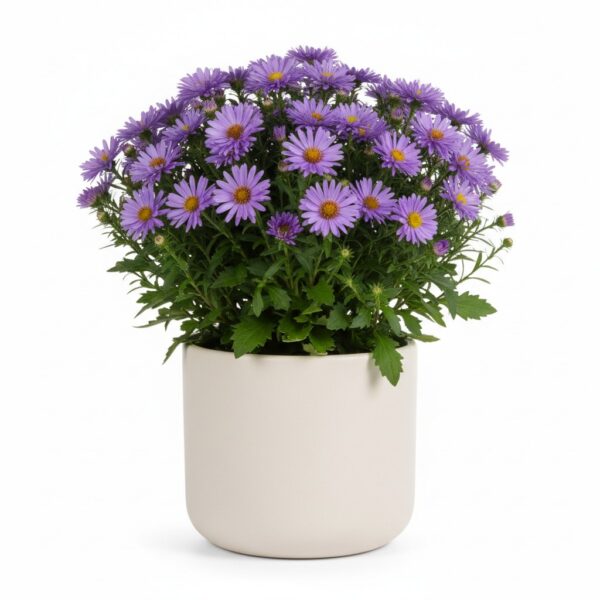
Aster
Aster spp.
Asters are primarily late-summer and fall-blooming perennials, known for their daisy-like flowers in various shades of purple, pink, blue, and white. They are herbaceous plants, meaning they die back to the ground in winter and re-emerge in spring. Asters are popular garden plants, providing a burst of color when many other flowers are fading. They attract pollinators like bees and butterflies. While some species are more compact, others can be quite tall and spreading. Asters are generally outdoor plants and struggle indoors due to high light requirements and dormancy needs.

Euphorbia
Euphorbia milii
Euphorbia milii, commonly known as Crown of Thorns, is a succulent shrub characterized by its thorny stems and vibrant bracts surrounding small, inconspicuous flowers. Native to Madagascar, it's a popular ornamental plant grown for its drought tolerance and long-lasting blooms. The plant features grey-brown thorny stems and oval-shaped green leaves that are often deciduous. While it can be grown indoors, it thrives best with ample sunlight, making it more suitable for outdoor environments in warmer climates. People grow it for its unique appearance and relatively easy care.
Quick Plant Comparison
| Feature | Aster | Euphorbia |
|---|---|---|
| Light | Full sun to partial shade. Requires at least 6 hours of direct sunlight daily for optimal flowering. | Full sun to partial shade. Requires at least 4-6 hours of direct sunlight daily for optimal flowering. |
| Watering | Outdoors: Every 7-10 days, depending on weather and soil drainage. Indoors (not recommended): Much less frequent, allow soil to dry significantly between waterings. | Every 2-3 weeks, depending on environmental conditions and pot size. |
| Humidity | 40-60% | 30-50% |
| Temperature | 15-25°C | 18-27°C |
| Care Level | Expert | Moderate |
| Growth Rate | Moderate To Fast, Some Species Can Be Aggressive Spreaders Via Rhizomes | Slow |
| Max Height | Outdoors: 30cm - 1.5m depending on species. Indoors: Unlikely to thrive, but if attempted, expect significantly smaller size. | Indoors: 30-60 cm. Outdoors: Up to 1.8 meters. |
| Pet Safety | ❌ Toxic To Pets | ❌ Toxic To Pets |
| Soil | Well-drained, loamy soil. A mix of garden soil, compost, and perlite is suitable. | Well-draining succulent or cactus mix |
| Beginner Friendly | ❌ No | With Caution |
| Weekly Maintenance | 15-30 minutes weekly (weeding, watering, deadheading) | 10 minutes weekly |
🔬 Botanical Information — Comparing These Plants
Aster
| Scientific Name | Aster spp. |
|---|---|
| Family | Asteraceae |
| Native To | North America and Eurasia |
| Also Known As | Aster, Michaelmas Daisy, Starwort |
| Leaves | Aster leaves are typically lance-shaped to oval, with a slightly rough texture. The color is usually green, but can vary depending on the species. The size of the leaves ranges from small to medium. |
| Flowers | Asters produce daisy-like flowers with a central disc and ray petals. The flower colors range from purple, pink, blue, and white. They bloom profusely in late summer and fall. |
Euphorbia
| Scientific Name | Euphorbia milii |
|---|---|
| Family | Euphorbiaceae |
| Native To | Madagascar |
| Also Known As | Crown of Thorns, Christ Plant, Christ Thorn |
| Leaves | The leaves are oval-shaped, green, and typically 2-5 cm long. They are often deciduous, meaning they may drop off during periods of stress or dormancy, especially in winter. |
| Flowers | It can flower indoors with sufficient light, producing small, inconspicuous flowers surrounded by brightly colored bracts. The bracts come in various colors, including red, pink, yellow, and white. |
📏 Size & Growth — Plant Comparison
Aster
Euphorbia
🌱 Propagation — Comparing Plant Growth
Aster
Methods: Seed, stem cuttings, division
Difficulty: Easy To Moderate
Tips: Divide established clumps in spring or fall. Take stem cuttings in late spring or early summer. Sow seeds indoors 6-8 weeks before the last frost.
Euphorbia
Methods: Stem cuttings
Difficulty: Moderate
Tips: Allow the cut end to callus over for a few days before planting in well-draining soil. Use gloves to avoid skin irritation from the sap.
✨ Benefits & Features — Comparing Plant Value
Aster
Asters are known for their late-season blooms, providing color when many other flowers have faded. They are also important food sources for pollinators preparing for winter. Some species are aggressive spreaders, forming large colonies over time.
- ✓ Attracts pollinators to your garden.
- ✓ Provides late-season color and extends the blooming season.
- ✓ Relatively low-maintenance once established.
- ✓ Can be used as cut flowers.
- ✓ Adds a natural and wild aesthetic to the landscape.
- ⚠️ Toxic to pets
Euphorbia
The Crown of Thorns is unique due to its thorny stems and the colorful bracts that surround its small flowers. It's a succulent shrub that can tolerate drought conditions, making it a low-maintenance option for those who tend to forget to water their plants.
- ✓ Drought-tolerant and water-wise
- ✓ Adds unique texture and visual interest to indoor spaces
- ✓ Long-lasting blooms provide color
- ✓ Relatively pest-resistant
- ✓ Can be grown in a variety of containers
- ⚠️ Toxic to pets
📅 Maintenance Schedule — Plant Care Comparison
Aster
Euphorbia
🌞 Light Requirements
Aster
Full sun to partial shade. Requires at least 6 hours of direct sunlight daily for optimal flowering.
Low light tolerant: ❌ No
Euphorbia
Full sun to partial shade. Requires at least 4-6 hours of direct sunlight daily for optimal flowering.
Low light tolerant: ❌ No
💧 Watering Needs
Aster
Water thoroughly when the top inch of soil feels dry. Avoid overwatering, which can lead to root rot. Asters prefer consistently moist but well-drained soil. Signs of underwatering include wilting leaves and dry, crispy edges. Overwatering symptoms include yellowing leaves and a soggy soil.
Euphorbia
Allow the soil to dry out completely between waterings. Overwatering can lead to root rot. Water thoroughly when the soil is dry to the touch. Signs of overwatering include yellowing leaves and a mushy stem. Underwatering is indicated by shriveled leaves and stunted growth.
🌡️ Temperature & Humidity
Aster
Temperature: 15-25°C
Humidity: 40-60%
Euphorbia
Temperature: 18-27°C
Humidity: 30-50%
🤔 Which Plant Is Right For You?
Aster
Aster spp.Gardeners looking for late-season color and pollinator-attracting plants.
✅ Choose This Plant If...
- You want a burst of color in your garden in late summer and fall.
- You want to attract pollinators like bees and butterflies to your yard.
- You have a sunny garden space with well-drained soil.
- You are looking for a relatively low-maintenance perennial for outdoor planting.
- You enjoy cut flowers and want to add asters to your bouquets.
❌ Skip This Plant If...
- You have limited sunlight indoors and cannot provide at least 6 hours of direct sun.
- You have pets that might ingest the plant, as it is toxic to dogs, cats, and horses.
- You are looking for a plant that thrives indoors with minimal effort.
Euphorbia
Euphorbia miliiExperienced plant owners looking for a unique and drought-tolerant flowering succulent.
✅ Choose This Plant If...
- You want a drought-tolerant plant that requires minimal watering.
- You appreciate unique and sculptural plants with a distinctive appearance.
- You have a sunny location where the plant can thrive.
- You are looking for a plant that can flower for extended periods.
- You are an experienced plant owner comfortable handling potentially toxic plants.
❌ Skip This Plant If...
- You have pets or small children who might ingest the plant.
- You are a beginner plant owner and prefer low-maintenance options.
- You don't have a location with sufficient sunlight.
- You are sensitive to latex, as the sap can cause skin irritation.
🎯 Quick Verdict
⚡ Key Differences Between These Plants
Aster is rated Expert care level, while Euphorbia is Moderate.
Aster has moderate to fast, some species can be aggressive spreaders via rhizomes growth, while Euphorbia grows slow.
💡 Pro Tips For Comparing These Plants
Aster Care Tips
Asters are primarily outdoor plants that require full sun and well-drained soil. They are not well-suited for indoor growing due to their high light requirements and dormancy needs. Indoor attempts will likely result in leggy growth and poor flowering. Regular deadheading encourages more blooms.
- Provide full sun for optimal flowering.
- Ensure well-drained soil to prevent root rot.
- Deadhead spent flowers regularly to encourage more blooms.
- Divide plants every few years to prevent overcrowding.
- Monitor for pests and diseases and treat promptly.
Euphorbia Care Tips
Crown of Thorns requires bright sunlight and well-draining soil. It's relatively drought-tolerant but susceptible to root rot if overwatered. Handle with care due to the thorns and toxic sap. Indoor flowering may be less prolific than outdoors.
- Provide at least 4-6 hours of direct sunlight daily for optimal flowering.
- Allow the soil to dry out completely between waterings to prevent root rot.
- Wear gloves when handling the plant to avoid skin irritation from the sap.
- Fertilize sparingly during the growing season with a balanced liquid fertilizer.
- Prune regularly to maintain shape and remove dead or damaged stems.
⚠️ Common Problems & Solutions — Plant Care Comparison
Aster
Euphorbia
❓ Frequently Asked Questions — Comparing These Plants
Aster
What are the light requirements for Aster?
Asters are sun-loving plants and require at least 6-8 hours of direct sunlight per day to thrive and produce abundant blooms. Insufficient light can lead to leggy growth, reduced flowering, and weaker stems. When growing asters indoors, place them near a sunny window that receives ample sunlight. If natural light is limited, supplement with grow lights to ensure they receive adequate illumination. Rotate the plants regularly to ensure even light exposure on all sides. Avoid placing them in overly shaded areas, as this can hinder their growth and flowering potential. Southern or western exposure is ideal.
How do I care for Aster?
Asters thrive in well-draining soil and require regular watering, especially during dry periods. Aim to keep the soil consistently moist but not waterlogged. Fertilize regularly during the growing season with a balanced fertilizer to encourage abundant blooms. Deadhead spent flowers to promote continued flowering. Provide support for taller varieties to prevent them from flopping over. Asters prefer full sun, but some varieties can tolerate partial shade. Monitor for pests and diseases, and treat accordingly. Proper air circulation is important to prevent fungal issues. Prune back in late fall or early spring to maintain shape and vigor. Provide 6-8 hours of direct sunlight daily.
How do I propagate Aster?
Asters can be propagated by division, stem cuttings, or seeds.
Euphorbia
What are the light requirements for Euphorbia?
Euphorbias need bright, indirect sunlight for optimal growth. Insufficient light can lead to etiolation (stretching) and weak growth. South- or west-facing windows are ideal, but be cautious of intense afternoon sun, which can scorch the plant. If natural light is limited, supplement with a grow light. Rotate the plant regularly to ensure even growth on all sides. A minimum of 6 hours of bright light daily is recommended. Observe the plant for signs of light stress, such as pale coloration or elongated stems, and adjust its position accordingly.
How do I care for Euphorbia?
Euphorbias, as succulents, thrive in bright light and well-draining soil. Water thoroughly only when the soil is completely dry to the touch, typically every 2-4 weeks, depending on the environment. Ensure the pot has drainage holes to prevent root rot. During the growing season (spring and summer), fertilize sparingly with a balanced, diluted succulent fertilizer. Reduce watering significantly in the fall and winter during their dormant period. Provide good air circulation to prevent fungal diseases. Repot every 2-3 years or when the plant becomes root-bound. Handle with care, as the milky sap is toxic and can cause skin irritation. Protect from frost and temperatures below 50°F (10°C).
How do I propagate Euphorbia?
Euphorbias can be propagated through leaf cuttings, offsets, or stem cuttings. For stem cuttings, allow the cut end to callous over for several days before planting in well-draining soil. For leaf cuttings, place the leaf on top of the soil and wait for roots to develop. Offsets can be carefully separated from the parent plant and planted individually. Always wear gloves and eye protection when handling Euphorbia sap, as it can cause skin irritation. Keep the cuttings in a warm, bright location and water sparingly until roots have formed. Propagation is best done during the growing season (spring or summer).
Last updated: April 20, 2026 — Plant care data reviewed and verified by our editorial team.