
Aster vs Dwarf Iris Plant Comparison
Compare these two plants side by side — care needs, key differences, and which is right for your home.
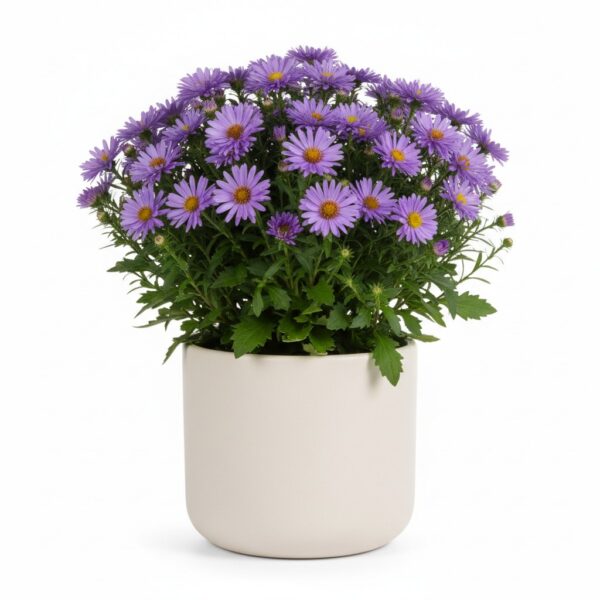
Aster
Aster spp.
Asters are primarily late-summer and fall-blooming perennials, known for their daisy-like flowers in various shades of purple, pink, blue, and white. They are herbaceous plants, meaning they die back to the ground in winter and re-emerge in spring. Asters are popular garden plants, providing a burst of color when many other flowers are fading. They attract pollinators like bees and butterflies. While some species are more compact, others can be quite tall and spreading. Asters are generally outdoor plants and struggle indoors due to high light requirements and dormancy needs.

Dwarf Iris
Iris reticulata
Iris reticulata, commonly known as Dwarf Iris, is a small, bulbous perennial that typically grows to only 4-6 inches tall. It is primarily an outdoor plant, prized for its early spring blooms, often appearing before other spring flowers. The flowers are typically a rich purple-blue, but cultivars exist in shades of blue, purple, white, and yellow. People grow it for its vibrant color and early bloom time, providing a welcome splash of color after winter. It is not ideally suited for indoor growing due to its high light requirements and need for a cold dormancy period.
Quick Plant Comparison
| Feature | Aster | Dwarf Iris |
|---|---|---|
| Light | Full sun to partial shade. Requires at least 6 hours of direct sunlight daily for optimal flowering. | Full sun to partial shade outdoors. Requires very bright light indoors, which is difficult to provide consistently. |
| Watering | Outdoors: Every 7-10 days, depending on weather and soil drainage. Indoors (not recommended): Much less frequent, allow soil to dry significantly between waterings. | Water thoroughly once a week during active growth, then reduce to once a month during dormancy. |
| Humidity | 40-60% | 30-50% |
| Temperature | 15-25°C | 5-15°C during dormancy, 10-20°C during growth |
| Care Level | Expert | Expert |
| Growth Rate | Moderate To Fast, Some Species Can Be Aggressive Spreaders Via Rhizomes | Moderate |
| Max Height | Outdoors: 30cm - 1.5m depending on species. Indoors: Unlikely to thrive, but if attempted, expect significantly smaller size. | 10-15 cm (indoors unlikely to reach this height) |
| Pet Safety | ❌ Toxic To Pets | ❌ Toxic To Pets |
| Soil | Well-drained, loamy soil. A mix of garden soil, compost, and perlite is suitable. | Well-draining, slightly acidic to neutral soil. A mix of sandy loam with added organic matter is ideal. |
| Beginner Friendly | ❌ No | ❌ No |
| Weekly Maintenance | 15-30 minutes weekly (weeding, watering, deadheading) | 5 minutes weekly during active growth, less during dormancy. |
🔬 Botanical Information — Comparing These Plants
Aster
| Scientific Name | Aster spp. |
|---|---|
| Family | Asteraceae |
| Native To | North America and Eurasia |
| Also Known As | Aster, Michaelmas Daisy, Starwort |
| Leaves | Aster leaves are typically lance-shaped to oval, with a slightly rough texture. The color is usually green, but can vary depending on the species. The size of the leaves ranges from small to medium. |
| Flowers | Asters produce daisy-like flowers with a central disc and ray petals. The flower colors range from purple, pink, blue, and white. They bloom profusely in late summer and fall. |
Dwarf Iris
| Scientific Name | Iris reticulata |
|---|---|
| Family | Iridaceae |
| Native To | Caucasus, Northern Iran, Eastern Turkey |
| Also Known As | Dwarf Iris, Reticulated Iris |
| Leaves | Narrow, grass-like leaves that emerge from the base of the plant. Typically 10-20 cm long and dark green in color. |
| Flowers | Rarely flowers indoors. Outdoors, flowers are typically 5-8 cm in diameter with six petals. Colors range from deep purple-blue to lighter shades of blue, white, and yellow. Some varieties have intricate patterns and markings on the petals. |
📏 Size & Growth — Plant Comparison
Aster
Dwarf Iris
🌱 Propagation — Comparing Plant Growth
Aster
Methods: Seed, stem cuttings, division
Difficulty: Easy To Moderate
Tips: Divide established clumps in spring or fall. Take stem cuttings in late spring or early summer. Sow seeds indoors 6-8 weeks before the last frost.
Dwarf Iris
Methods: Bulb division, Seed
Difficulty: Moderate
Tips: Divide bulbs after flowering in late spring or early summer. Replant immediately in well-draining soil. Seeds can be sown in fall, but may take several years to flower.
✨ Benefits & Features — Comparing Plant Value
Aster
Asters are known for their late-season blooms, providing color when many other flowers have faded. They are also important food sources for pollinators preparing for winter. Some species are aggressive spreaders, forming large colonies over time.
- ✓ Attracts pollinators to your garden.
- ✓ Provides late-season color and extends the blooming season.
- ✓ Relatively low-maintenance once established.
- ✓ Can be used as cut flowers.
- ✓ Adds a natural and wild aesthetic to the landscape.
- ⚠️ Toxic to pets
Dwarf Iris
Dwarf Iris are known for their early spring blooms and intricate flower patterns. They are smaller than other iris varieties, making them suitable for rock gardens and borders. Their reticulated bulbs have a netted pattern.
- ✓ Provides early spring color
- ✓ Attracts pollinators
- ✓ Low-maintenance once established
- ✓ Adds beauty to rock gardens
- ✓ Deer resistant
- ⚠️ Toxic to pets
📅 Maintenance Schedule — Plant Care Comparison
Aster
Dwarf Iris
🌞 Light Requirements
Aster
Full sun to partial shade. Requires at least 6 hours of direct sunlight daily for optimal flowering.
Low light tolerant: ❌ No
Dwarf Iris
Full sun to partial shade outdoors. Requires very bright light indoors, which is difficult to provide consistently.
Low light tolerant: ❌ No
💧 Watering Needs
Aster
Water thoroughly when the top inch of soil feels dry. Avoid overwatering, which can lead to root rot. Asters prefer consistently moist but well-drained soil. Signs of underwatering include wilting leaves and dry, crispy edges. Overwatering symptoms include yellowing leaves and a soggy soil.
Dwarf Iris
Water thoroughly when planting and during active growth in spring. Reduce watering after flowering as the plant enters dormancy. Overwatering can lead to bulb rot. Ensure good drainage.
🌡️ Temperature & Humidity
Aster
Temperature: 15-25°C
Humidity: 40-60%
Dwarf Iris
Temperature: 5-15°C during dormancy, 10-20°C during growth
Humidity: 30-50%
🤔 Which Plant Is Right For You?
Aster
Aster spp.Gardeners looking for late-season color and pollinator-attracting plants.
✅ Choose This Plant If...
- You want a burst of color in your garden in late summer and fall.
- You want to attract pollinators like bees and butterflies to your yard.
- You have a sunny garden space with well-drained soil.
- You are looking for a relatively low-maintenance perennial for outdoor planting.
- You enjoy cut flowers and want to add asters to your bouquets.
❌ Skip This Plant If...
- You have limited sunlight indoors and cannot provide at least 6 hours of direct sun.
- You have pets that might ingest the plant, as it is toxic to dogs, cats, and horses.
- You are looking for a plant that thrives indoors with minimal effort.
Dwarf Iris
Iris reticulataGardeners looking for early spring blooms in their outdoor garden.
✅ Choose This Plant If...
- You want early spring blooms in your garden
- You appreciate vibrant colors after a long winter
- You have a well-draining garden bed in full sun
- You are experienced with bulb plants and their dormancy needs
- You want a low-growing, compact plant for borders or rock gardens
❌ Skip This Plant If...
- You lack a sunny outdoor garden space
- You have pets that might ingest the plant
- You are looking for an easy-to-grow indoor plant
- You live in a very warm climate without a distinct winter chill
- You tend to overwater plants
🎯 Quick Verdict
⚡ Key Differences Between These Plants
Aster has moderate to fast, some species can be aggressive spreaders via rhizomes growth, while Dwarf Iris grows moderate.
💡 Pro Tips For Comparing These Plants
Aster Care Tips
Asters are primarily outdoor plants that require full sun and well-drained soil. They are not well-suited for indoor growing due to their high light requirements and dormancy needs. Indoor attempts will likely result in leggy growth and poor flowering. Regular deadheading encourages more blooms.
- Provide full sun for optimal flowering.
- Ensure well-drained soil to prevent root rot.
- Deadhead spent flowers regularly to encourage more blooms.
- Divide plants every few years to prevent overcrowding.
- Monitor for pests and diseases and treat promptly.
Dwarf Iris Care Tips
Dwarf Iris is primarily an outdoor plant and requires specific conditions to thrive indoors, including very bright light and a cold dormancy period. It is challenging to replicate these conditions indoors, making it an expert-level plant for indoor cultivation. Overwatering is a common problem.
- Ensure excellent drainage to prevent bulb rot.
- Provide a cold dormancy period for best flowering.
- Plant bulbs in groups for a more dramatic display.
- Fertilize lightly in early spring.
- Protect from slugs and snails.
⚠️ Common Problems & Solutions — Plant Care Comparison
Aster
Dwarf Iris
❓ Frequently Asked Questions — Comparing These Plants
Aster
What are the light requirements for Aster?
Asters are sun-loving plants and require at least 6-8 hours of direct sunlight per day to thrive and produce abundant blooms. Insufficient light can lead to leggy growth, reduced flowering, and weaker stems. When growing asters indoors, place them near a sunny window that receives ample sunlight. If natural light is limited, supplement with grow lights to ensure they receive adequate illumination. Rotate the plants regularly to ensure even light exposure on all sides. Avoid placing them in overly shaded areas, as this can hinder their growth and flowering potential. Southern or western exposure is ideal.
How do I care for Aster?
Asters thrive in well-draining soil and require regular watering, especially during dry periods. Aim to keep the soil consistently moist but not waterlogged. Fertilize regularly during the growing season with a balanced fertilizer to encourage abundant blooms. Deadhead spent flowers to promote continued flowering. Provide support for taller varieties to prevent them from flopping over. Asters prefer full sun, but some varieties can tolerate partial shade. Monitor for pests and diseases, and treat accordingly. Proper air circulation is important to prevent fungal issues. Prune back in late fall or early spring to maintain shape and vigor. Provide 6-8 hours of direct sunlight daily.
How do I propagate Aster?
Asters can be propagated by division, stem cuttings, or seeds.
Dwarf Iris
What are the light requirements for Dwarf Iris?
Dwarf Irises thrive in full sun, requiring at least six hours of direct sunlight per day. However, they can also tolerate partial shade, especially in hotter climates where intense afternoon sun can scorch the foliage. In shadier locations, the plants may produce fewer flowers and the stems may become leggy as they reach for light.
How do I care for Dwarf Iris?
Dwarf Irises require full sun to partial shade and well-drained soil. Plant rhizomes shallowly, with the top exposed. Water thoroughly after planting and then sparingly, allowing the soil to dry out between waterings. During the growing season (spring), fertilize with a balanced fertilizer diluted to half strength.
How do I propagate Dwarf Iris?
Dwarf Irises are typically propagated by division. In late summer or early fall, carefully dig up the rhizomes and separate them into individual pieces, ensuring each piece has healthy roots and foliage. Replant the rhizomes in well-drained soil, spacing them about 6-8 inches apart.
Last updated: May 12, 2026 — Plant care data reviewed and verified by our editorial team.