
Arum vs Portulaca Plant Comparison
Compare these two plants side by side — care needs, key differences, and which is right for your home.

Arum
Arum italicum
Arum italicum is a tuberous herbaceous perennial known for its striking foliage and distinctive spadix and spathe flower structure. It emerges in the fall with arrow-shaped leaves, often beautifully veined in white or cream. The plant goes dormant in the summer. It is primarily an outdoor plant, thriving in woodland conditions. While it can be grown indoors, it requires very specific conditions to mimic its natural habitat. People grow it for its attractive foliage and unique flower structure.
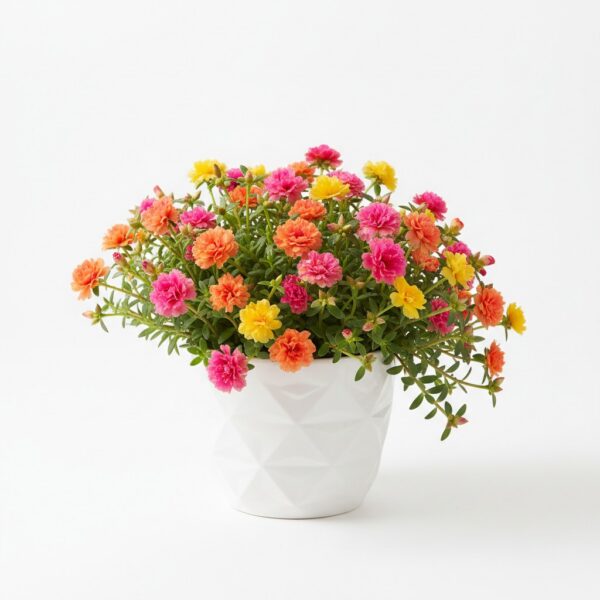
Portulaca
Portulaca oleracea
Portulaca oleracea, commonly known as purslane, is a succulent annual plant. It features smooth, reddish stems and fleshy, paddle-shaped green leaves. It grows prostrate, spreading along the ground. While often considered a weed, it's also cultivated as a leafy vegetable and ornamental plant. People grow it for its edible leaves and stems, which have a slightly sour and salty taste. It produces small yellow flowers that open only on sunny mornings. It is primarily an outdoor plant.
Quick Plant Comparison
| Feature | Arum | Portulaca |
|---|---|---|
| Light | Partial to full shade outdoors. Indoors, requires very bright, indirect light, ideally a north-facing window or under grow lights. | Full sun (at least 6-8 hours of direct sunlight daily) |
| Watering | Every 10-14 days during growing season, much less frequently during dormancy. | Every 2-3 days in hot weather, less frequently in cooler conditions. |
| Humidity | 40-60% | 30-50% |
| Temperature | 10-21°C | 20-30°C |
| Care Level | Expert | Expert |
| Growth Rate | Moderate | Fast |
| Max Height | Indoors: 30-60 cm | 15-30 cm |
| Pet Safety | ❌ Toxic To Pets | ❌ Toxic To Pets |
| Soil | Well-draining, humus-rich soil. A mix of potting soil, peat moss, and perlite is suitable. | Well-draining soil, such as a sandy loam or cactus mix. |
| Beginner Friendly | ❌ No | ❌ No |
| Weekly Maintenance | 15 minutes weekly during growing season, 5 minutes during dormancy. | 5-10 minutes weekly |
🔬 Botanical Information — Comparing These Plants
Arum
| Scientific Name | Arum italicum |
|---|---|
| Family | Araceae |
| Native To | Mediterranean region, from Portugal and Morocco to Turkey and Crimea |
| Also Known As | Italian Arum, Italian Lords-and-Ladies, Painted Arum |
| Leaves | The leaves are arrow-shaped, typically 20-30 cm long, and often feature prominent white or cream-colored veins. The texture is smooth and slightly waxy. |
| Flowers | Arum italicum produces a spadix and spathe flower structure. The spathe is a creamy-white or greenish-white hood-like structure that surrounds the spadix, a fleshy spike covered in tiny flowers. It rarely flowers indoors. |
Portulaca
| Scientific Name | Portulaca oleracea |
|---|---|
| Family | Portulacaceae |
| Native To | Widespread, exact origin uncertain, possibly Mediterranean or Asia |
| Also Known As | Purslane, Verdolaga, Pigweed, Little Hogweed |
| Leaves | The leaves of purslane are fleshy, smooth, and paddle-shaped, typically 2-3 cm long. They are usually green but can have a reddish tinge. The leaves are arranged alternately along the stems. |
| Flowers | Purslane produces small, yellow flowers that open only on sunny mornings. The flowers are about 0.5-1 cm in diameter and have five petals. Flowering typically occurs in summer. |
📏 Size & Growth — Plant Comparison
Arum
Portulaca
🌱 Propagation — Comparing Plant Growth
Arum
Methods: Division of tubers, Seed
Difficulty: Moderate
Tips: Divide tubers in late summer or early fall. Sow seeds in the fall after the berries have ripened. Ensure good drainage when planting.
Portulaca
Methods: Stem cuttings, Seed
Difficulty: Easy
Tips: Stem cuttings root easily in water or directly in soil. Allow cuttings to callous over for a day before planting. Sow seeds directly into the soil after the last frost.
✨ Benefits & Features — Comparing Plant Value
Arum
Arum italicum is unique for its winter foliage, which appears after most plants have lost their leaves. Its distinctive spadix and spathe flower structure also set it apart from other plants.
- ✓ Unique and striking appearance.
- ✓ Adds visual interest to shady areas.
- ✓ Can be a conversation starter.
- ✓ Provides a touch of the Mediterranean landscape.
- ✓ Offers a seasonal display of foliage and berries.
- ⚠️ Toxic to pets
Portulaca
Purslane is a succulent annual plant that is both edible and drought-tolerant. It is often considered a weed but is also cultivated for its nutritional value and ornamental appeal. Its ability to thrive in hot, dry conditions makes it a unique and valuable plant.
- ✓ Edible leaves and stems
- ✓ Drought tolerance
- ✓ High in omega-3 fatty acids
- ✓ Attracts pollinators
- ✓ Easy to propagate
- ⚠️ Toxic to pets
📅 Maintenance Schedule — Plant Care Comparison
Arum
Portulaca
🌞 Light Requirements
Arum
Partial to full shade outdoors. Indoors, requires very bright, indirect light, ideally a north-facing window or under grow lights.
Low light tolerant: ❌ No
Portulaca
Full sun (at least 6-8 hours of direct sunlight daily)
Low light tolerant: ❌ No
💧 Watering Needs
Arum
Water thoroughly when the top inch of soil is dry during the growing season (fall to spring). Reduce watering significantly during dormancy (summer). Overwatering can lead to tuber rot. Underwatering will cause the leaves to wilt and brown.
Portulaca
Water thoroughly when the soil is dry to the touch. Avoid overwatering, as this can lead to root rot. Allow the soil to dry out slightly between waterings. Signs of overwatering include yellowing leaves and a mushy stem. Underwatering is indicated by wilting and shriveled leaves.
🌡️ Temperature & Humidity
Arum
Temperature: 10-21°C
Humidity: 40-60%
Portulaca
Temperature: 20-30°C
Humidity: 30-50%
🤔 Which Plant Is Right For You?
Arum
Arum italicumExperienced gardeners who want a unique plant and can provide the specific conditions it needs.
✅ Choose This Plant If...
- You appreciate unique foliage and a striking plant structure.
- You can provide a cool, dormant period in the summer.
- You are an experienced gardener comfortable with challenging plants.
- You have a shady spot in your garden or can mimic those conditions indoors.
- You are prepared to handle a toxic plant and keep it away from pets and children.
❌ Skip This Plant If...
- You have pets or small children who might ingest the plant.
- You are a beginner gardener.
- You cannot provide a cool, dormant period.
- You don't have a bright, indirect light source.
- You prefer low-maintenance plants.
Portulaca
Portulaca oleraceaGardeners looking for an edible ground cover or a drought-tolerant plant for sunny locations.
✅ Choose This Plant If...
- You want an edible ground cover
- You need a drought-tolerant plant
- You enjoy the slightly sour taste of purslane
- You have a very sunny outdoor space
- You want a plant rich in omega-3 fatty acids
❌ Skip This Plant If...
- You have pets that might ingest it
- You don't have a very sunny outdoor space
- You dislike plants that spread aggressively
🎯 Quick Verdict
⚡ Key Differences Between These Plants
Arum has moderate growth, while Portulaca grows fast.
💡 Pro Tips For Comparing These Plants
Arum Care Tips
Arum italicum is primarily an outdoor plant and requires expert care to thrive indoors. It needs specific light, temperature, and dormancy conditions. It is toxic to pets. Indoor cultivation is challenging due to its seasonal growth cycle and need for a cool, dormant period.
- Provide a cool, dry dormant period in the summer by reducing watering significantly and keeping the plant in a cooler location.
- Ensure excellent drainage to prevent tuber rot.
- Fertilize regularly during the growing season with a balanced liquid fertilizer.
- Monitor for pests like aphids and spider mites and treat promptly.
- Wear gloves when handling the plant to avoid skin irritation from the sap.
Portulaca Care Tips
Purslane is easy to grow outdoors in full sun and well-draining soil. However, it is challenging to grow indoors due to its high light requirements. It needs very bright light and is prone to pests and diseases if not properly ventilated. It can also spread aggressively.
- Provide at least 6 hours of direct sunlight daily.
- Ensure well-draining soil to prevent root rot.
- Water deeply but infrequently, allowing the soil to dry out between waterings.
- Fertilize regularly during the growing season with a balanced liquid fertilizer.
- Pinch back stems to encourage bushier growth.
⚠️ Common Problems & Solutions — Plant Care Comparison
Arum
Portulaca
❓ Frequently Asked Questions — Comparing These Plants
Arum
What are the light requirements for Arum?
Arum plants thrive best in bright, indirect light. Direct sunlight can scorch the leaves, so avoid placing them in areas with intense midday sun. An east-facing window is often ideal, providing gentle morning light. If you only have south or west-facing windows, filter the light with sheer curtains or blinds. Insufficient light can result in leggy growth and reduced flowering. Rotate the plant regularly to ensure even light exposure on all sides. During the darker months, consider supplementing with artificial grow lights to maintain healthy growth. Observe the plant’s foliage; if the leaves appear pale or stretched, it’s a sign that it needs more light.
How do I care for Arum?
Arum plants prefer bright, indirect light but can tolerate some shade. Water thoroughly when the top inch of soil feels dry to the touch, ensuring good drainage to prevent root rot. Fertilize monthly during the growing season (spring and summer) with a balanced liquid fertilizer diluted to half strength. Reduce watering and fertilization during the dormant period in fall and winter. Maintain moderate humidity, especially indoors. Repot every 1-2 years in spring, using a well-draining potting mix. Prune away any yellowing or dead leaves to encourage healthy growth. Protect from frost as Arum is not cold hardy. Monitor for pests such as aphids or spider mites and treat accordingly. Proper air circulation is essential to prevent fungal diseases.
How do I propagate Arum?
Arum can be propagated through division, stem cuttings, or from bulb offsets (keikis).
Portulaca
What are the light requirements for Portulaca?
Portulaca succulents demand abundant sunlight to flourish. Ideally, they should receive at least 6-8 hours of direct sunlight each day. Insufficient light will result in leggy growth, reduced flowering, and faded colors. When grown indoors, place them near a south-facing window where they can bask in the sun’s rays. If natural light is limited, consider supplementing with a grow light. Rotate the plant regularly to ensure even exposure to light. The intensity of the light directly impacts the vibrancy of the blooms, so prioritizing sunlight is crucial for healthy growth and abundant flowering.
How do I care for Portulaca?
Portulaca succulents are relatively easy to care for, thriving in bright sunlight and well-draining soil. Water thoroughly when the soil is completely dry, typically every 1-2 weeks, and reduce watering during the dormant winter months. Ensure the pot has drainage holes to prevent root rot. Provide at least 6 hours of direct sunlight daily for optimal flowering. Fertilize sparingly during the growing season (spring and summer) with a diluted succulent fertilizer. Prune leggy growth to encourage bushier growth and more abundant blooms. Protect from frost as they are not cold-hardy. Repot only when the plant becomes root-bound. Avoid overwatering, which is the most common cause of problems.
How do I propagate Portulaca?
Portulaca succulents are easily propagated through stem cuttings or seeds. For stem cuttings, take a 2-3 inch cutting from a healthy stem. Allow the cut end to callous over for a day or two. Plant the cutting in well-draining soil and water lightly. Keep the soil slightly moist until roots develop, which usually takes a few weeks. Leaf cuttings can be attempted, but are less reliable. Simply place a leaf on top of well-draining soil and wait for roots to form. Offsets are rare but can be carefully separated from the main plant and planted in their own pot. Ensure the cutting receives bright, indirect light during the propagation process.
Last updated: May 6, 2026 — Plant care data reviewed and verified by our editorial team.