
Arenaria vs Paper Plant Plant Comparison
Compare these two plants side by side — care needs, key differences, and which is right for your home.

Arenaria
Arenaria montana
Arenaria montana, commonly known as Mountain Sandwort, is a low-growing, mat-forming perennial plant. It features delicate, needle-like, gray-green leaves and an abundance of star-shaped, white flowers in late spring to early summer. Typically grown as a ground cover in rock gardens or along borders, it thrives in well-drained soil and full sun. While it can be grown in containers, it's primarily an outdoor plant and may struggle indoors due to its high light requirements and need for cool temperatures. Its spreading habit makes it ideal for filling in gaps in garden beds.
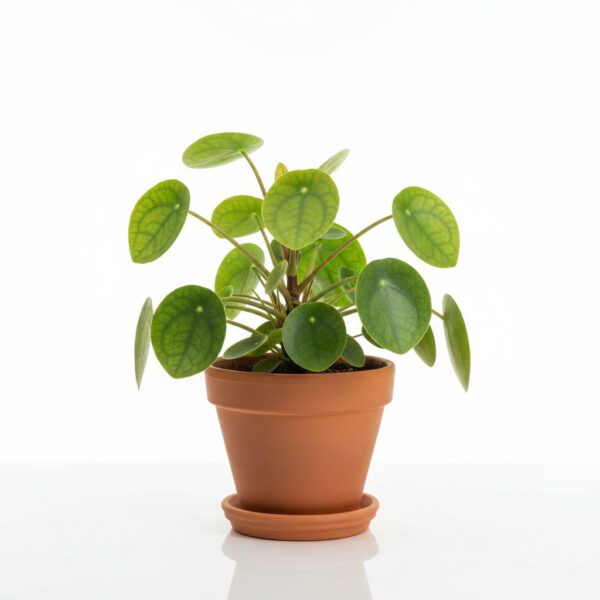
Paper Plant
Tetrapanax papyrifer
Tetrapanax papyrifer, the Paper Plant, is a large, fast-growing shrub or small tree typically grown outdoors. It features enormous, deeply lobed palmate leaves that can reach up to 3 feet across, giving it a bold, tropical appearance. The plant produces clusters of small, creamy-white flowers in late autumn or early winter, followed by dark berries. It is primarily cultivated for its striking foliage and architectural form. While sometimes grown indoors, it requires very bright light and ample space to thrive, making it challenging for most indoor environments. The pith of the stems was historically used to make rice paper.
Quick Plant Comparison
| Feature | Arenaria | Paper Plant |
|---|---|---|
| Light | Full sun to partial shade | Full sun to partial shade outdoors; very bright, direct light if attempted indoors. |
| Watering | Every 7-10 days, depending on weather and soil drainage | Every 5-7 days during the growing season, less frequently in winter. |
| Humidity | 30-50% | 30-60% |
| Temperature | 15-24°C | 15-27°C |
| Care Level | Expert | Expert |
| Growth Rate | Moderate | Fast |
| Max Height | 5-15 cm (indoors unlikely to reach this) | 2-3m indoors (challenging to achieve), 4-6m outdoors |
| Pet Safety | ❌ Toxic To Pets | ❌ Toxic To Pets |
| Soil | Well-drained, sandy or gravelly soil | Well-draining, fertile soil. A mix of potting soil, perlite, and compost is suitable. |
| Beginner Friendly | ❌ No | ❌ No |
| Weekly Maintenance | 10 minutes weekly | 30 minutes weekly |
🔬 Botanical Information — Comparing These Plants
Arenaria
| Scientific Name | Arenaria montana |
|---|---|
| Family | Caryophyllaceae |
| Native To | Mountains of Southern Europe |
| Also Known As | Mountain Sandwort, Sandwort |
| Leaves | Small, needle-like, gray-green leaves that are densely packed along the stems. |
| Flowers | Produces abundant, star-shaped, white flowers in late spring to early summer. Flowering indoors is rare. |
Paper Plant
| Scientific Name | Tetrapanax papyrifer |
|---|---|
| Family | Araliaceae |
| Native To | Taiwan |
| Also Known As | Paper Plant, Rice Paper Plant |
| Leaves | The leaves are palmate, deeply lobed, and can reach up to 3 feet across. They are typically a vibrant green color and have a slightly rough texture. |
| Flowers | It produces clusters of small, creamy-white flowers in late autumn or early winter. Flowering is less common indoors. |
📏 Size & Growth — Plant Comparison
Arenaria
Paper Plant
🌱 Propagation — Comparing Plant Growth
Arenaria
Methods: Seed, Division, Stem cuttings
Difficulty: Moderate
Tips: Divide established clumps in spring or fall. Take stem cuttings in late spring and root them in well-draining soil. Seeds can be sown in early spring.
Paper Plant
Methods: Stem cuttings, Root cuttings, Division, Seed
Difficulty: Easy
Tips: Take stem cuttings in spring or summer. Root cuttings can be taken in late winter. Division of rhizomes is also effective. Ensure cuttings have nodes and provide warmth and humidity.
✨ Benefits & Features — Comparing Plant Value
Arenaria
Its mat-forming growth habit and delicate white flowers make it a charming addition to rock gardens and borders. It's also relatively drought-tolerant once established.
- ✓ Attracts pollinators
- ✓ Provides ground cover
- ✓ Adds visual interest with delicate flowers
- ✓ Erosion control on slopes
- ✓ Drought tolerant once established
- ⚠️ Toxic to pets
Paper Plant
The Paper Plant is unique due to its enormous, deeply lobed leaves, which create a dramatic and tropical appearance. Its historical use in making rice paper adds to its intrigue.
- ✓ Provides a dramatic focal point in the garden
- ✓ Offers a tropical aesthetic
- ✓ Creates shade and visual interest
- ✓ Can be used to create a privacy screen
- ✓ Provides a unique texture and form.
- ⚠️ Toxic to pets
📅 Maintenance Schedule — Plant Care Comparison
Arenaria
Paper Plant
🌞 Light Requirements
Arenaria
Full sun to partial shade
Low light tolerant: ❌ No
Paper Plant
Full sun to partial shade outdoors; very bright, direct light if attempted indoors.
Low light tolerant: ❌ No
💧 Watering Needs
Arenaria
Water thoroughly when the top inch of soil feels dry. Avoid overwatering, as this can lead to root rot. Ensure good drainage. During hot weather, more frequent watering may be necessary. Reduce watering in the winter months.
Paper Plant
Water thoroughly when the top inch of soil is dry during the growing season. Reduce watering in winter. Overwatering can lead to root rot, especially indoors. Underwatering will cause leaves to droop and brown.
🌡️ Temperature & Humidity
Arenaria
Temperature: 15-24°C
Humidity: 30-50%
Paper Plant
Temperature: 15-27°C
Humidity: 30-60%
🤔 Which Plant Is Right For You?
Arenaria
Arenaria montanaExperienced gardeners looking for a ground cover in rock gardens or borders.
✅ Choose This Plant If...
- You want a low-maintenance ground cover for a sunny location.
- You appreciate delicate, star-shaped white flowers.
- You have a rock garden or well-drained border.
- You are an experienced gardener looking for a new challenge.
- You want to attract pollinators to your garden.
❌ Skip This Plant If...
- You have pets that may ingest the plant.
- You cannot provide full sun.
- You are a beginner gardener looking for an easy indoor plant.
Paper Plant
Tetrapanax papyriferExperienced gardeners with ample outdoor space who appreciate bold foliage.
✅ Choose This Plant If...
- You want a bold, tropical look in your garden
- You have ample outdoor space and full sun
- You enjoy propagating plants from cuttings
- You are an experienced gardener looking for a statement plant
- You appreciate plants with unique textures and forms.
❌ Skip This Plant If...
- You have limited indoor space
- You cannot provide very bright, direct light
- You have pets that might ingest the plant
- You are a beginner gardener
- You live in a climate with harsh winters.
🎯 Quick Verdict
⚡ Key Differences Between These Plants
Arenaria has moderate growth, while Paper Plant grows fast.
💡 Pro Tips For Comparing These Plants
Arenaria Care Tips
Arenaria montana is primarily an outdoor plant that requires full sun and well-drained soil. Indoor cultivation is challenging due to the need for high light levels and cool temperatures. It's prone to root rot if overwatered and may not thrive in typical indoor conditions.
- Ensure excellent drainage to prevent root rot.
- Provide at least 6 hours of direct sunlight daily.
- Fertilize sparingly in early spring.
- Trim back after flowering to maintain shape.
- Protect from excessive winter moisture.
Paper Plant Care Tips
Paper Plant is best suited for outdoor cultivation. Indoor growing is challenging due to its high light requirements and large size. It needs very bright light, well-draining soil, and regular watering during the growing season. Pruning is necessary to maintain shape and control size. Be aware of its toxicity to pets.
- Provide ample sunlight for optimal growth.
- Ensure well-draining soil to prevent root rot.
- Water regularly during the growing season, but reduce watering in winter.
- Fertilize every 2-4 weeks during the growing season.
- Prune regularly to maintain shape and control size.
⚠️ Common Problems & Solutions — Plant Care Comparison
Arenaria
Paper Plant
❓ Frequently Asked Questions — Comparing These Plants
Arenaria
What are the light requirements for Arenaria?
Arenaria needs plenty of sunlight to flourish. Ideally, it should receive at least 6 hours of direct sunlight per day. A south-facing window is generally the best location for indoor plants. If you don’t have enough natural light, consider using a grow light to supplement. Insufficient light can lead to leggy growth and reduced flowering. Rotate the plant regularly to ensure even light exposure on all sides. In extremely hot climates, some afternoon shade may be beneficial to prevent scorching. Watch for signs of light stress, such as pale or yellowing leaves.
How do I care for Arenaria?
Arenaria thrives in well-draining soil and requires moderate watering, allowing the soil to dry slightly between waterings. It prefers full sun to partial shade, ideally receiving at least 6 hours of sunlight daily for optimal flowering. Fertilize sparingly with a balanced, slow-release fertilizer in the spring to encourage healthy growth and abundant blooms. Prune lightly after flowering to maintain its shape and promote bushier growth. Ensure good air circulation to prevent fungal diseases. Repotting is generally not necessary unless the plant becomes root-bound. Monitor for pests such as aphids or spider mites and treat accordingly. Provide winter protection in colder climates. Maintain a slightly acidic to neutral soil pH.
How do I propagate Arenaria?
Arenaria can be propagated through division or stem cuttings. For division, carefully separate the plant into smaller clumps, ensuring each clump has roots. Replant the clumps in well-draining soil. For stem cuttings, take 2-3 inch cuttings from healthy stems, remove the lower leaves, and dip the cut end in rooting hormone. Plant the cuttings in a moist potting mix and keep them in a warm, humid location until they root. Rooting typically takes several weeks. Keiki propagation is not typically applicable to Arenaria. Ensure the soil remains consistently moist but not waterlogged during the propagation process. Provide bright, indirect light.
Paper Plant
What are the light requirements for Paper Plant?
Paper Plant needs bright, indirect light to thrive. Insufficient light can lead to leggy growth and pale foliage. While it can tolerate some direct morning sun, avoid intense afternoon sun, which can scorch the leaves. A location near an east-facing window is ideal. If using artificial lighting, provide 12-14 hours of light per day with a full-spectrum grow light. Rotate the plant regularly to ensure even light exposure on all sides. If the plant is in a pond, ensure it receives adequate sunlight but is also partially shaded during the hottest part of the day.
How do I care for Paper Plant?
Paper Plant thrives in consistently moist to wet conditions. Ideally, keep the base of the plant submerged in water or in very wet soil. Provide bright, indirect light for optimal growth. Direct sunlight can scorch the leaves. Maintain a water temperature between 65-80°F (18-27°C). Fertilize every 2-4 weeks during the growing season (spring and summer) with a balanced liquid fertilizer diluted to half strength, specific for aquatic plants. Prune regularly to remove any dead or yellowing foliage. Repot annually in spring to refresh the growing medium. Monitor for pests like aphids or spider mites, and treat promptly if detected. Ensure good water circulation to prevent algae growth and maintain water clarity.
How do I propagate Paper Plant?
Paper Plant can be easily propagated through division or cuttings.
Last updated: May 3, 2026 — Plant care data reviewed and verified by our editorial team.