
Arctotis vs Club Moss Plant Comparison
Compare these two plants side by side — care needs, key differences, and which is right for your home.

Arctotis
Arctotis stoechadifolia
Arctotis stoechadifolia is a perennial flowering plant native to South Africa. It is characterized by its silvery-green foliage and daisy-like flowers that come in shades of white, yellow, orange, and pink. The plant typically grows to a height of 30-60 cm. While it is primarily grown outdoors as a ground cover or in borders, it can be challenging to maintain indoors due to its high light requirements. People grow it for its vibrant flowers and drought tolerance in suitable climates.
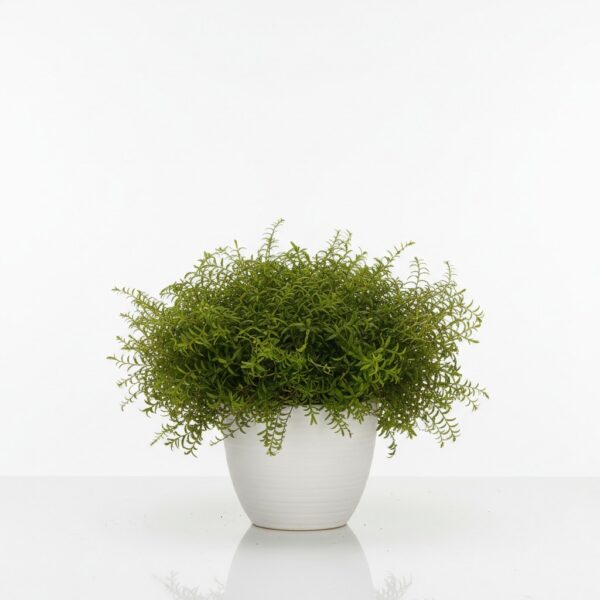
Club Moss
Lycopodium clavatum
Lycopodium clavatum, commonly known as Club Moss, is a creeping, evergreen perennial plant that resembles a moss but is actually a vascular plant. It spreads via rhizomes, forming extensive mats in acidic, well-drained soils. The plant features trailing stems with small, scale-like leaves arranged spirally around the stem. It produces erect strobili (spore-bearing cones) at the tips of its branches, giving it a distinctive club-like appearance. While historically used medicinally and for other purposes, it's primarily an outdoor plant. People may attempt to grow it indoors for its unique texture and appearance, but success is limited.
Quick Plant Comparison
| Feature | Arctotis | Club Moss |
|---|---|---|
| Light | Full sun (at least 6-8 hours of direct sunlight daily) | Partial shade to full shade outdoors. Indoors, bright indirect light is required, but difficult to achieve. |
| Watering | Every 7-10 days outdoors, less frequently indoors if attempted | Outdoors: Depends on rainfall. Indoors: Every 2-3 days, adjusting based on humidity and light. |
| Humidity | 30-50% | 60-80% |
| Temperature | 15-25°C | 10-20°C |
| Care Level | Expert | Expert |
| Growth Rate | Moderate | Moderate To Fast, Aggressive Spreader Via Rhizomes. |
| Max Height | 30-60 cm (outdoors), smaller if grown in containers indoors (unlikely to thrive) | Outdoors: 5-15 cm. Indoors: Difficult to maintain, but potentially up to 10 cm. |
| Pet Safety | ❌ Toxic To Pets | ❌ Toxic To Pets |
| Soil | Well-draining sandy or loamy soil | Acidic, well-drained soil rich in organic matter. A mix of peat moss, perlite, and sand is suitable. |
| Beginner Friendly | ❌ No | ❌ No |
| Weekly Maintenance | 15 minutes weekly (deadheading, watering) | 15-30 minutes weekly |
🔬 Botanical Information — Comparing These Plants
Arctotis
| Scientific Name | Arctotis stoechadifolia |
|---|---|
| Family | Asteraceae |
| Native To | South Africa |
| Also Known As | African Daisy, Glandular Cape Marigold, Silver Arctotis |
| Leaves | The leaves are lance-shaped, silvery-green, and covered in fine hairs, giving them a soft, velvety texture. The leaves are typically 5-10 cm long and 1-2 cm wide. |
| Flowers | Arctotis flowers are daisy-like, with a central disc surrounded by ray florets. The flowers come in shades of white, yellow, orange, and pink. Flowering occurs primarily in spring and summer. It is unlikely to flower indoors due to insufficient light. |
Club Moss
| Scientific Name | Lycopodium clavatum |
|---|---|
| Family | Lycopodiaceae |
| Native To | Cosmopolitan; found in temperate and boreal regions worldwide |
| Also Known As | Club Moss, Staghorn Clubmoss, Running Clubmoss, Ground Pine |
| Leaves | Small, scale-like leaves arranged spirally around the stem. Evergreen and typically bright green. |
| Flowers | Does not flower in the traditional sense. Reproduces via spores produced in strobili (cones). Rarely seen indoors. |
📏 Size & Growth — Plant Comparison
Arctotis
Club Moss
🌱 Propagation — Comparing Plant Growth
Arctotis
Methods: Seed, Stem cuttings
Difficulty: Easy
Tips: For seeds, sow in spring after the last frost. For stem cuttings, take cuttings in late spring or early summer and root in well-draining soil.
Club Moss
Methods: Division, Spores
Difficulty: Moderate To Difficult
Tips: Division is the easiest method. Carefully separate sections of the rhizome and plant them in a suitable soil mix. Spore propagation is more challenging and requires specific conditions.
✨ Benefits & Features — Comparing Plant Value
Arctotis
Arctotis is known for its vibrant, daisy-like flowers that come in a variety of colors. The flowers typically close at night or during cloudy weather, adding a unique dynamic to the garden. Its drought tolerance makes it a valuable plant in water-wise landscapes.
- ✓ Attracts pollinators like bees and butterflies.
- ✓ Adds vibrant color to the garden.
- ✓ Drought-tolerant once established, reducing water consumption.
- ✓ Provides ground cover to suppress weeds.
- ✓ Relatively low maintenance once established.
- ⚠️ Toxic to pets
Club Moss
Club Moss is a living fossil, representing an ancient lineage of vascular plants that predate flowering plants. Its unique spore-bearing cones (strobili) and creeping growth habit distinguish it from true mosses.
- ✓ Unique aesthetic appeal
- ✓ Can be used as a groundcover in suitable outdoor environments
- ✓ Offers a connection to ancient plant lineages
- ✓ Provides a textural element to plant collections
- ✓ May have historical or cultural significance
- ⚠️ Toxic to pets
📅 Maintenance Schedule — Plant Care Comparison
Arctotis
Club Moss
🌞 Light Requirements
Arctotis
Full sun (at least 6-8 hours of direct sunlight daily)
Low light tolerant: ❌ No
Club Moss
Partial shade to full shade outdoors. Indoors, bright indirect light is required, but difficult to achieve.
Low light tolerant: ❌ No
💧 Watering Needs
Arctotis
Water thoroughly when the top inch of soil is dry. Avoid overwatering, which can lead to root rot. Allow soil to dry slightly between waterings. Signs of overwatering include yellowing leaves and a soggy soil. Underwatering is indicated by wilting and dry, crispy leaves.
Club Moss
Keep the soil consistently moist but not waterlogged. Overwatering can lead to root rot, while underwatering will cause the foliage to dry out and turn brown. Check soil moisture regularly.
🌡️ Temperature & Humidity
Arctotis
Temperature: 15-25°C
Humidity: 30-50%
Club Moss
Temperature: 10-20°C
Humidity: 60-80%
🤔 Which Plant Is Right For You?
Arctotis
Arctotis stoechadifoliaExperienced gardeners in warm climates looking for a drought-tolerant, colorful ground cover.
✅ Choose This Plant If...
- You live in a warm, sunny climate with well-draining soil.
- You are looking for a drought-tolerant plant that requires minimal watering once established.
- You want a plant with vibrant, daisy-like flowers that attract pollinators.
- You need a ground cover that can tolerate full sun.
- You are an experienced gardener willing to provide the specific conditions this plant needs.
❌ Skip This Plant If...
- You have pets that may ingest the plant.
- You live in a climate with cold winters and frequent frosts.
- You cannot provide full sun conditions.
- You are a beginner gardener looking for an easy-to-care-for indoor plant.
Club Moss
Lycopodium clavatumExperienced plant enthusiasts who can provide the specific environmental conditions required for its survival.
✅ Choose This Plant If...
- You appreciate unique and unusual plants.
- You are willing to provide high humidity and consistent moisture.
- You have experience with challenging plants.
- You are looking for a groundcover for a shady, acidic garden area.
- You are fascinated by the evolutionary history of vascular plants.
❌ Skip This Plant If...
- You are a beginner plant owner.
- You cannot provide high humidity.
- You have pets that may ingest the plant.
🎯 Quick Verdict
⚡ Key Differences Between These Plants
Arctotis has moderate growth, while Club Moss grows moderate to fast, aggressive spreader via rhizomes..
💡 Pro Tips For Comparing These Plants
Arctotis Care Tips
Arctotis stoechadifolia is primarily an outdoor plant that requires full sun and well-draining soil. It is drought-tolerant once established. Indoor cultivation is challenging due to the high light requirements. It is toxic to pets, so caution is needed if pets are present.
- Ensure well-draining soil to prevent root rot.
- Provide at least 6-8 hours of direct sunlight daily.
- Deadhead spent flowers regularly to encourage more blooms.
- Water deeply but infrequently, allowing the soil to dry slightly between waterings.
- Fertilize lightly during the growing season with a balanced fertilizer.
Club Moss Care Tips
Club Moss is primarily an outdoor plant that requires specific conditions to thrive indoors. High humidity, consistent moisture, and acidic soil are essential. It's prone to root rot and drying out, making it a challenging houseplant. Regular division is needed to manage its spreading growth.
- Use rainwater or distilled water to avoid mineral buildup in the soil.
- Provide good air circulation to prevent fungal diseases.
- Monitor humidity levels closely and use a humidifier if necessary.
- Repot in spring to refresh the soil and divide the plant if needed.
- Avoid direct sunlight, which can scorch the foliage.
⚠️ Common Problems & Solutions — Plant Care Comparison
Arctotis
Club Moss
❓ Frequently Asked Questions — Comparing These Plants
Arctotis
What are the light requirements for Arctotis?
Arctotis thrives in full sun, requiring at least 6 hours of direct sunlight each day to produce abundant blooms. Insufficient light can result in fewer flowers and leggy growth. When grown indoors, place Arctotis near a south-facing window that receives plenty of sunlight. If natural light is limited, supplement with artificial grow lights. Rotate the plant regularly to ensure even light exposure on all sides. In hot climates, provide some afternoon shade to prevent scorching of the foliage. Monitor the plant for signs of light stress, such as pale leaves or stretched stems, and adjust its position accordingly.
How do I care for Arctotis?
Arctotis requires full sun for optimal blooming, ideally at least 6 hours per day. Water thoroughly when the top inch of soil feels dry, allowing excess water to drain away. Avoid overwatering, which can lead to root rot. Plant in well-draining soil, such as a sandy loam mix. Fertilize monthly during the blooming season with a balanced liquid fertilizer, diluted to half strength. Deadhead spent flowers regularly to encourage continuous blooming. Arctotis is generally hardy in USDA zones 9-11, but can be grown as an annual in cooler climates. Protect from frost. Provide good air circulation to prevent fungal diseases. Repot container-grown plants every 1-2 years in spring. Monitor for pests like aphids and spider mites, and treat accordingly.
How do I propagate Arctotis?
Arctotis can be propagated by seed, stem cuttings, or division.
Club Moss
What are the light requirements for Club Moss?
Club Mosses prefer bright, indirect light. Direct sunlight can scorch their delicate foliage. An east-facing window is ideal, or a north-facing window if the light is strong enough. Avoid south-facing windows unless you can diffuse the light with a sheer curtain. Insufficient light can lead to leggy growth and a loss of color. Rotate your plant periodically to ensure even light exposure on all sides. If natural light is insufficient, supplement with a grow light. The ideal light level is similar to what you would find under the canopy of a forest. Monitor the plant for signs of too much or too little light and adjust accordingly.
How do I care for Club Moss?
Club Mosses thrive in bright, indirect light, mimicking their natural forest floor habitat. Water regularly, keeping the soil consistently moist but not soggy. High humidity is crucial; aim for 60-80%. Use a well-draining, acidic potting mix such as peat moss or sphagnum moss. Fertilize sparingly during the growing season (spring and summer) with a diluted liquid fertilizer. Repot only when necessary, typically every 1-2 years, into a slightly larger pot. Prune any dead or yellowing fronds to encourage healthy growth. Protect from drafts and extreme temperature fluctuations. Ensure good air circulation to prevent fungal diseases. Regularly check for pests like spider mites or mealybugs. Provide consistent care for optimal growth and a vibrant display.
How do I propagate Club Moss?
Club Mosses can be propagated by division or by spores. Division is the easiest method. During repotting, carefully separate the plant into smaller sections, ensuring each section has roots. Pot each section into its own container with well-draining potting mix. To propagate by spores, collect spores from mature sporophytes. Sow the spores on a moist, sterile substrate in a humid environment. Spore propagation is a slow process and requires patience. Keep the substrate consistently moist and provide bright, indirect light. It can take several months for new plants to develop from spores. Ensure proper sanitation to prevent fungal growth.
Last updated: May 12, 2026 — Plant care data reviewed and verified by our editorial team.