
Anise vs Leucadendron Plant Comparison
Compare these two plants side by side — care needs, key differences, and which is right for your home.

Anise
Pimpinella anisum
Anise is an herbaceous annual plant typically grown for its seeds, which are used as a spice. It reaches a height of about 0.5 meters (1.6 feet). It features feathery leaves and produces umbels of small white flowers in the summer, followed by oblong-ovoid fruits commonly called aniseed. While it can be grown from seed indoors, it is primarily an outdoor plant that requires specific conditions to thrive, making indoor cultivation challenging. People grow it for culinary and medicinal purposes.
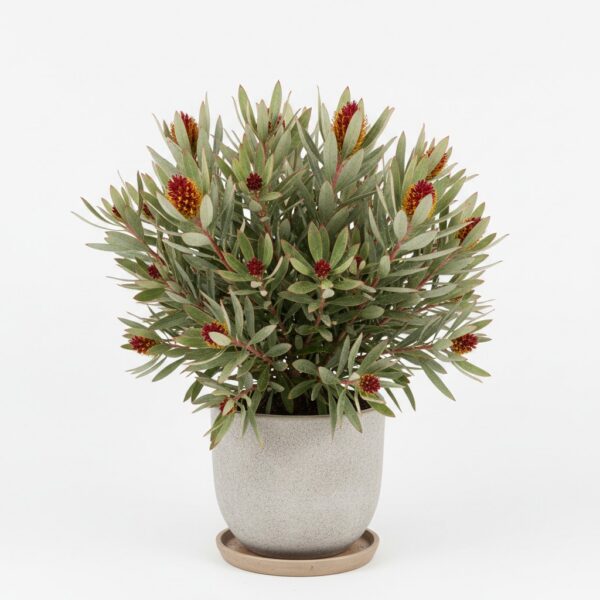
Leucadendron
Leucadendron spp.
Leucadendron is a genus of about 80 species of flowering plants in the family Proteaceae, native to South Africa. They are evergreen shrubs or small trees, typically ranging from 0.5 to several meters in height. Known for their striking foliage and prominent cone-like structures (actually modified leaves called bracts surrounding the flowers), they are popular ornamentals. The bracts often change color dramatically, providing long-lasting visual interest. Leucadendrons are primarily grown outdoors for their unique appearance and drought tolerance. Indoor cultivation is challenging due to their high light requirements and specific environmental needs.
Quick Plant Comparison
| Feature | Anise | Leucadendron |
|---|---|---|
| Light | Full sun (at least 6-8 hours of direct sunlight daily) | Full sun (at least 6-8 hours of direct sunlight daily) |
| Watering | Every 5-7 days outdoors, potentially less if attempting indoors | Every 1-2 weeks, depending on weather and soil drainage |
| Humidity | 40-60% | 40-60% |
| Temperature | 15-25°C | 15-25°C |
| Care Level | Expert | Expert |
| Growth Rate | Moderate | Moderate |
| Max Height | 0.3-0.6 meters (1-2 feet) indoors, potentially taller outdoors | Outdoor: 1-5 meters; Indoor (unlikely to thrive): Less than 1 meter |
| Pet Safety | ❌ Toxic To Pets | ❌ Toxic To Pets |
| Soil | Well-draining soil, sandy loam is ideal | Well-draining, slightly acidic soil. A mix of sand, perlite, and peat moss is suitable. |
| Beginner Friendly | ❌ No | ❌ No |
| Weekly Maintenance | 15 minutes weekly during the growing season | 30 minutes weekly (mostly watering and occasional pruning) |
🔬 Botanical Information — Comparing These Plants
Anise
| Scientific Name | Pimpinella anisum |
|---|---|
| Family | Apiaceae |
| Native To | Eastern Mediterranean region and Southwest Asia |
| Also Known As | Anise, Aniseed |
| Leaves | The leaves are feathery and divided, with different shapes depending on their position on the plant. Lower leaves are simple and lobed, while upper leaves are more finely divided. |
| Flowers | Produces umbels of small, white flowers in the summer. Flowering is essential for seed production. |
Leucadendron
| Scientific Name | Leucadendron spp. |
|---|---|
| Family | Proteaceae |
| Native To | South Africa |
| Also Known As | Conebush, Leucadendron |
| Leaves | The leaves of Leucadendron are typically linear or lance-shaped, ranging in color from green to silvery-grey. Some species have colorful bracts that resemble leaves, adding to the plant's ornamental value. The leaves are often covered in fine hairs. |
| Flowers | Leucadendrons produce cone-like structures that are actually modified leaves (bracts) surrounding the flowers. The flowers themselves are small and inconspicuous. The bracts can be various colors, including yellow, orange, red, and pink. Flowering typically occurs in winter or spring. |
📏 Size & Growth — Plant Comparison
Anise
Leucadendron
🌱 Propagation — Comparing Plant Growth
Anise
Methods: Seed
Difficulty: Easy
Tips: Sow seeds directly into the soil in spring after the last frost. Seeds require light to germinate, so do not bury them too deeply. Keep the soil consistently moist until germination occurs.
Leucadendron
Methods: Seed, Stem cuttings
Difficulty: Moderate
Tips: Take semi-hardwood cuttings in late summer or autumn. Use rooting hormone and provide bottom heat. Seeds require pre-treatment (soaking or scarification) for successful germination.
✨ Benefits & Features — Comparing Plant Value
Anise
The distinct licorice-like flavor of its seeds makes it a popular spice. It is also an annual plant, meaning it completes its life cycle in one growing season.
- ✓ Provides fresh anise seeds for culinary use.
- ✓ Attracts beneficial insects to the garden.
- ✓ Can be used for medicinal purposes.
- ✓ Adds a unique flavor to dishes.
- ✓ Offers a rewarding gardening experience.
- ⚠️ Toxic to pets
Leucadendron
Leucadendrons are known for their striking bracts that surround the flowers, often changing color dramatically. They are also highly adapted to drought conditions and fire-prone environments.
- ✓ Drought tolerance reduces water consumption.
- ✓ Unique foliage adds visual interest to the garden.
- ✓ Attracts pollinators, supporting local ecosystems.
- ✓ Provides a natural screen or hedge.
- ✓ Relatively low maintenance once established.
- ⚠️ Toxic to pets
📅 Maintenance Schedule — Plant Care Comparison
Anise
Leucadendron
🌞 Light Requirements
Anise
Full sun (at least 6-8 hours of direct sunlight daily)
Low light tolerant: ❌ No
Leucadendron
Full sun (at least 6-8 hours of direct sunlight daily)
Low light tolerant: ❌ No
💧 Watering Needs
Anise
Water deeply when the top inch of soil feels dry. Avoid overwatering, which can lead to root rot. Signs of underwatering include wilting leaves, while overwatering can cause yellowing leaves and a musty smell from the soil.
Leucadendron
Water deeply when the top inch of soil is dry. Leucadendrons are drought-tolerant once established. Overwatering can lead to root rot. Signs of underwatering include drooping or wilting leaves. Signs of overwatering include yellowing leaves and soggy soil.
🌡️ Temperature & Humidity
Anise
Temperature: 15-25°C
Humidity: 40-60%
Leucadendron
Temperature: 15-25°C
Humidity: 40-60%
🤔 Which Plant Is Right For You?
Anise
Pimpinella anisumExperienced gardeners who want to grow their own spice outdoors in a suitable climate.
✅ Choose This Plant If...
- You have a sunny outdoor garden and want to grow your own spices.
- You enjoy the flavor of anise in cooking and baking.
- You are interested in the medicinal properties of anise.
- You are an experienced gardener looking for a new challenge.
- You want to attract beneficial insects to your garden.
❌ Skip This Plant If...
- You have limited sunlight indoors.
- You have pets that may ingest the plant.
- You are a beginner gardener.
- You live in a cold climate with a short growing season.
Leucadendron
Leucadendron spp.Experienced gardeners in Mediterranean climates who want a unique and drought-tolerant ornamental shrub.
✅ Choose This Plant If...
- You live in a Mediterranean climate with full sun exposure.
- You are looking for a drought-tolerant plant.
- You want a unique and visually striking shrub.
- You are an experienced gardener willing to provide specific care.
- You want to attract pollinators to your garden.
❌ Skip This Plant If...
- You live in a cold climate with frequent frosts.
- You have limited sunlight in your garden.
- You are a beginner gardener.
- You have pets that might ingest the plant.
- You are looking for an easy-to-grow indoor plant.
🎯 Quick Verdict
⚡ Key Differences Between These Plants
Both plants have similar basic care requirements but differ in appearance and specific needs. Compare plants carefully to find the best fit for your space.
💡 Pro Tips For Comparing These Plants
Anise Care Tips
Anise is primarily an outdoor plant that requires full sun and well-draining soil. Indoor cultivation is challenging due to the high light requirements. It is toxic to pets. Requires careful watering and fertilization. Not recommended for indoor growing unless you can provide ideal conditions.
- Start seeds indoors 6-8 weeks before the last frost if you have a short growing season.
- Ensure the soil is well-draining to prevent root rot.
- Provide full sun for optimal growth and seed production.
- Harvest seeds when they turn gray-brown and are easily detached from the plant.
- Protect young plants from pests such as aphids and spider mites.
Leucadendron Care Tips
Leucadendrons are best suited for outdoor cultivation in Mediterranean climates. Indoor growing is extremely challenging due to high light requirements, specific soil needs, and sensitivity to overwatering. They require excellent drainage and careful attention to fertilization.
- Ensure excellent drainage to prevent root rot.
- Use a low-phosphorus fertilizer to avoid nutrient imbalances.
- Provide full sun for optimal growth and bract color.
- Prune lightly after flowering to maintain shape.
- Protect from frost in colder climates.
⚠️ Common Problems & Solutions — Plant Care Comparison
Anise
Leucadendron
❓ Frequently Asked Questions — Comparing These Plants
Anise
What are the light requirements for Anise?
Anise requires at least six to eight hours of direct sunlight per day to thrive. Insufficient light can result in leggy growth, reduced flowering, and overall weakened plant health. When grown indoors, place Anise near a south-facing window where it can receive ample sunlight. If natural light is limited, supplement with grow lights to ensure adequate illumination. Rotate the plant regularly to ensure even light exposure on all sides. Observe the plant’s growth; if the stems are stretching towards the light source, it indicates a need for more light. Insufficient sunlight can lead to pale leaves and a lack of the characteristic anise aroma in the foliage.
How do I care for Anise?
Anise thrives in well-draining soil and requires full sun exposure for optimal growth and flowering. Water thoroughly when the top inch of soil feels dry, avoiding overwatering which can lead to root rot. Fertilize regularly during the growing season (spring and summer) with a balanced liquid fertilizer to promote healthy growth and abundant blooms. Prune spent flower heads to encourage further blooming. Provide support for taller plants to prevent them from lodging. Maintain adequate air circulation to prevent fungal diseases. Protect from frost in colder climates. Regularly inspect for pests like aphids and treat accordingly. Anise prefers slightly acidic to neutral soil pH. Ensure proper drainage by amending heavy soils with organic matter. Monitor humidity levels, especially indoors, as Anise prefers moderate humidity.
How do I propagate Anise?
Anise can be propagated by seed or division. For seed propagation, sow seeds directly into the soil in spring or fall. Keep the soil moist until germination occurs. For division, carefully separate the plant into smaller clumps, ensuring each clump has healthy roots and foliage. Replant the divisions in well-draining soil. Stem cuttings are less common but can be attempted. Take a 4-6 inch cutting from new growth, remove the lower leaves, and dip the cut end in rooting hormone. Plant the cutting in moist potting mix and keep it humid until roots develop. Keiki formation is not applicable to Anise.
Leucadendron
What are the light requirements for Leucadendron?
Leucadendrons thrive in bright, direct sunlight. Indoors, a south-facing window is ideal. If natural light is insufficient, supplement with grow lights for at least 6 hours daily. Insufficient light can lead to leggy growth and reduced flowering. Rotate the plant regularly to ensure even light exposure on all sides. Observe the plant’s growth; if leaves are pale or stems are weak, increase light levels. Consider using a light meter to measure light intensity and adjust placement accordingly. Leucadendrons need high light to maintain their vibrant colors and compact growth habit.
How do I care for Leucadendron?
Leucadendrons as indoor trees require bright, direct sunlight, ideally at least 6 hours per day. Use a well-draining, acidic potting mix formulated for proteas or similar plants. Water thoroughly when the top inch of soil is dry, allowing excess water to drain away completely. Avoid overwatering, which can lead to root rot. Maintain moderate humidity levels. Fertilize sparingly during the growing season (spring and summer) with a low-phosphorus fertilizer. Prune lightly after flowering to maintain shape and encourage bushier growth. Repot every 2-3 years, increasing pot size gradually. Protect from frost and extreme temperature fluctuations. Ensure good air circulation around the plant.
How do I propagate Leucadendron?
Leucadendrons can be propagated through stem cuttings or air layering. For stem cuttings, take 4-6 inch cuttings from new growth in spring or summer. Remove the lower leaves and dip the cut end in rooting hormone. Plant the cutting in a well-draining propagation mix. Keep the soil moist and provide high humidity. Rooting can take several weeks. Air layering involves wounding a stem, applying rooting hormone, and wrapping the wound with moist sphagnum moss and plastic wrap. After roots develop, cut the stem below the wrapping and plant it in a pot. Both methods require patience and careful monitoring.
Last updated: May 3, 2026 — Plant care data reviewed and verified by our editorial team.