
Anemone vs Currant Plant Comparison
Compare these two plants side by side — care needs, key differences, and which is right for your home.
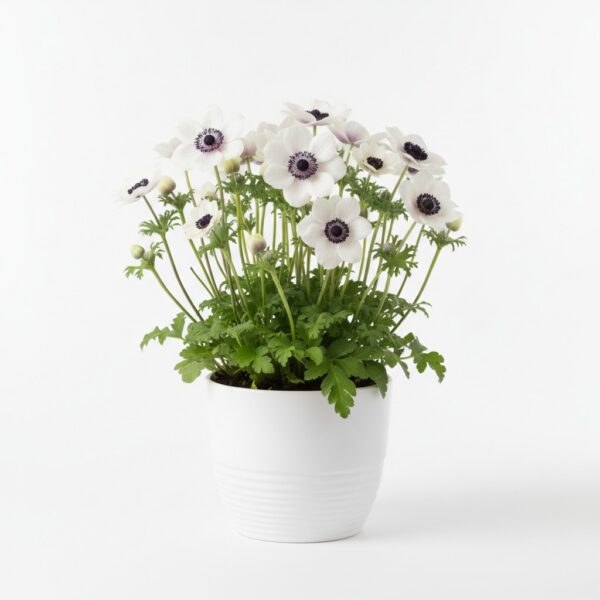
Anemone
Anemone spp.
Anemones are perennial herbaceous flowering plants, known for their vibrant, cup-shaped flowers and deeply divided leaves. They range in height from a few inches to several feet, depending on the species. Many anemones are spring-blooming, while others flower in the fall. They are primarily outdoor plants, grown for their showy blooms in gardens and borders. While some may be forced to bloom indoors, they generally struggle to thrive long-term as houseplants due to specific light and temperature requirements.

Currant
Ribes spp.
Currants are deciduous shrubs typically grown for their tart, edible berries. They range in size from 1-2 meters in height and width. They are primarily outdoor plants, thriving in cooler climates with distinct seasons. Currants are not typically grown indoors due to their need for a dormant period and specific light requirements for fruit production. People grow them for their berries, which are used in jams, jellies, pies, and other culinary applications. They are also valued for their ornamental foliage.
Quick Plant Comparison
| Feature | Anemone | Currant |
|---|---|---|
| Light | Full sun to partial shade, depending on the species. Spring-blooming varieties prefer morning sun and afternoon shade, while fall-blooming varieties can tolerate more sun. | Full sun to partial shade (at least 6 hours of direct sunlight for optimal fruit production) |
| Watering | Every 7-10 days during the growing season, less frequently during dormancy. | 1-2 times per week, depending on weather and soil drainage |
| Humidity | 40-60% | 30-50% |
| Temperature | 15-21°C | 10-25°C |
| Care Level | Expert | Expert |
| Growth Rate | Moderate | Moderate |
| Max Height | 0.15-1 meter (outdoors) | 1-2 meters (outdoors) |
| Pet Safety | ❌ Toxic To Pets | ❌ Toxic To Pets |
| Soil | Well-draining soil rich in organic matter. A mix of potting soil, compost, and perlite is suitable. | Well-draining, loamy soil with a slightly acidic to neutral pH (6.0-7.0) |
| Beginner Friendly | ❌ No | ❌ No |
| Weekly Maintenance | 15-30 minutes weekly during the growing season. | 30 minutes weekly (including watering, weeding, and pest control) |
🔬 Botanical Information — Comparing These Plants
Anemone
| Scientific Name | Anemone spp. |
|---|---|
| Family | Ranunculaceae |
| Native To | Various species originate from different regions across the globe, including North America, Europe, and Asia. |
| Also Known As | Windflower, Pasqueflower |
| Leaves | The leaves of anemones are deeply divided and lobed, creating a fern-like appearance. They are typically green in color and can vary in size depending on the species. |
| Flowers | Anemones produce showy, cup-shaped flowers that come in a variety of colors. They typically bloom in spring or fall, depending on the species. It is extremely rare for them to flower indoors. |
Currant
| Scientific Name | Ribes spp. |
|---|---|
| Family | Grossulariaceae |
| Native To | Temperate regions of the Northern Hemisphere |
| Also Known As | Currant, Redcurrant, Blackcurrant, Whitecurrant, Gooseberry (some species) |
| Leaves | Currant leaves are typically palmate, with 3-5 lobes, and are serrated along the edges. They are green in color and turn yellow or red in the fall before dropping. |
| Flowers | Currants produce small, inconspicuous flowers in the spring. The flowers are typically greenish-white or reddish in color and are followed by the development of berries. |
📏 Size & Growth — Plant Comparison
Anemone
Currant
🌱 Propagation — Comparing Plant Growth
Anemone
Methods: Division, Seed, Root cuttings
Difficulty: Moderate
Tips: Divide rhizomes in early spring or fall. Sow seeds in a cold frame in the fall. Root cuttings can be taken in late winter.
Currant
Methods: Stem cuttings, layering, seed
Difficulty: Moderate
Tips: Take hardwood cuttings in late fall or early winter. Dip the cut end in rooting hormone and plant in well-draining soil. Keep moist until roots develop.
✨ Benefits & Features — Comparing Plant Value
Anemone
Anemones are known for their cup-shaped flowers that come in a variety of colors, including white, pink, red, purple, and blue. Some species have rhizomatous roots, which allow them to spread and form colonies.
- ✓ Adds vibrant color to the garden.
- ✓ Attracts pollinators like bees and butterflies.
- ✓ Deer resistant (to some extent).
- ✓ Provides seasonal interest.
- ✓ Can be used in cut flower arrangements.
- ⚠️ Toxic to pets
Currant
Currants are known for their tart, unique flavor and high vitamin C content. They require a cold dormant period to thrive, making them unsuitable for warmer climates. They are relatively easy to propagate from cuttings.
- ✓ Provides fresh, healthy berries.
- ✓ Attracts pollinators to the garden.
- ✓ Adds visual interest with its foliage and berries.
- ✓ Can be used to create natural borders or hedges.
- ✓ Offers a rewarding gardening experience.
- ⚠️ Toxic to pets
📅 Maintenance Schedule — Plant Care Comparison
Anemone
Currant
🌞 Light Requirements
Anemone
Full sun to partial shade, depending on the species. Spring-blooming varieties prefer morning sun and afternoon shade, while fall-blooming varieties can tolerate more sun.
Low light tolerant: ❌ No
Currant
Full sun to partial shade (at least 6 hours of direct sunlight for optimal fruit production)
Low light tolerant: ❌ No
💧 Watering Needs
Anemone
Water thoroughly when the top inch of soil feels dry. Avoid overwatering, which can lead to root rot. During dormancy, reduce watering significantly. Signs of overwatering include yellowing leaves and soggy soil. Underwatering can cause wilting and dry, crispy leaves.
Currant
Water deeply when the top inch of soil is dry. Avoid overwatering, which can lead to root rot. During fruiting season, ensure consistent moisture. Signs of underwatering include wilting leaves and dry soil. Overwatering can cause yellowing leaves and soggy soil.
🌡️ Temperature & Humidity
Anemone
Temperature: 15-21°C
Humidity: 40-60%
Currant
Temperature: 10-25°C
Humidity: 30-50%
🤔 Which Plant Is Right For You?
Anemone
Anemone spp.Experienced gardeners looking to add vibrant color to their outdoor gardens in spring or fall.
✅ Choose This Plant If...
- You want vibrant spring or fall blooms in your garden.
- You need a deer-resistant plant option.
- You want to attract pollinators to your garden.
- You have a well-draining garden bed with partial shade.
- You are an experienced gardener comfortable with seasonal care.
❌ Skip This Plant If...
- You have pets that might ingest the plant.
- You are looking for an easy-to-grow indoor plant.
- You have limited sunlight in your garden.
- You live in a very hot, dry climate without adequate shade.
- You are a beginner gardener.
Currant
Ribes spp.Gardeners in temperate climates who want to grow their own berries.
✅ Choose This Plant If...
- You enjoy making homemade jams and jellies.
- You have a cool-climate garden with plenty of sunlight.
- You want to attract pollinators to your garden.
- You enjoy the tart flavor of currants.
- You are looking for a relatively low-maintenance fruit bush.
❌ Skip This Plant If...
- You live in a hot climate with intense summers.
- You do not have a garden or outdoor space.
- You are looking for an easy-to-grow indoor plant.
- You have pets that might ingest the plant.
- You dislike tart berries.
🎯 Quick Verdict
⚡ Key Differences Between These Plants
Both plants have similar basic care requirements but differ in appearance and specific needs. Compare plants carefully to find the best fit for your space.
💡 Pro Tips For Comparing These Plants
Anemone Care Tips
Anemones are primarily outdoor plants and require specific conditions to thrive. They need well-draining soil, adequate sunlight, and proper watering. Indoor cultivation is challenging due to the difficulty in replicating their natural environment. They are toxic to pets.
- Plant in well-draining soil to prevent root rot.
- Provide adequate moisture during the growing season, but avoid overwatering.
- Protect from intense afternoon sun, especially in hot climates.
- Deadhead spent flowers to encourage further blooming.
- Apply a layer of mulch around the base of the plant to help retain moisture and suppress weeds.
Currant Care Tips
Currants are challenging to grow indoors due to their need for a cold dormant period and high light requirements for fruit production. They are best suited for outdoor gardens in temperate climates. Indoor cultivation is unlikely to be successful long-term.
- Prune annually to encourage fruit production.
- Provide adequate sunlight for optimal growth.
- Water deeply during dry periods.
- Protect from pests and diseases.
- Fertilize in early spring.
⚠️ Common Problems & Solutions — Plant Care Comparison
Anemone
Currant
❓ Frequently Asked Questions — Comparing These Plants
Anemone
What are the light requirements for Anemone?
Anemones generally prefer partial to full sunlight, although the specific needs can vary depending on the variety. For spring-blooming anemones, aim for at least 4-6 hours of direct sunlight per day, especially during the cooler months. In hotter climates, provide some afternoon shade to prevent scorching. Indoor anemones should be placed near a bright, sunny window, ideally facing east or west. Insufficient light can lead to leggy growth and reduced flowering. Rotate your plants regularly to ensure even light exposure on all sides.
How do I care for Anemone?
Anemones thrive in well-draining soil that is rich in organic matter. Plant corms in the fall for spring blooms, or in early spring for summer blooms. Provide them with partial to full sunlight, depending on the variety. Water regularly, keeping the soil consistently moist but not waterlogged, especially during active growth and flowering. Fertilize every 2-4 weeks with a balanced liquid fertilizer during the growing season. Deadhead spent flowers to encourage further blooming. Protect from extreme heat and frost. In colder climates, lift and store corms over the winter to prevent damage. Monitor for pests and diseases, and treat accordingly. Prune back foliage after flowering has finished.
How do I propagate Anemone?
Anemones can be propagated through division or from seed. For division, carefully dig up established clumps in the fall and separate the corms or rhizomes. Replant the divisions in well-draining soil. Propagation from seed is more challenging and requires patience. Sow seeds indoors in early spring, keeping them consistently moist and warm. Germination can be slow and erratic. Stem cuttings and keikis are not typically used for anemone propagation. Ensure good air circulation to prevent fungal diseases.
Currant
What are the light requirements for Currant?
Currants thrive in partial shade, particularly during the hottest parts of the day. While they can tolerate full sun in cooler climates, excessive sunlight can scorch their leaves and reduce flower production. Ideally, provide them with morning sun and afternoon shade. An east-facing location is often ideal. Insufficient light can lead to leggy growth and reduced flowering. If growing indoors, place your currant near a bright window with filtered sunlight. Rotate the plant regularly to ensure even light exposure on all sides. If natural light is insufficient, supplement with grow lights. Pay attention to the plant’s leaf color: pale leaves may indicate too much light, while dark green leaves may indicate insufficient light.
How do I care for Currant?
Currants require well-draining soil that is rich in organic matter. Water deeply when the top inch of soil feels dry, but avoid overwatering. Fertilize in early spring with a balanced fertilizer, and again after flowering to support berry production if applicable. Prune after flowering to remove dead or crossing branches and to maintain shape. Provide partial shade, especially during the hottest part of the day. Monitor for pests such as aphids and currant borers, and treat as needed. Ensure good air circulation to prevent fungal diseases. Mulch around the base of the plant to retain moisture and suppress weeds. Regular deadheading of spent flowers encourages new growth. Provide support for heavier branches if necessary. Remember to adjust watering frequency depending on the climate and season.
How do I propagate Currant?
Currants can be propagated through several methods. Division is best done in early spring or fall. Carefully dig up the plant and separate the root ball into smaller sections, ensuring each section has healthy roots and shoots. Stem cuttings can be taken in late spring or early summer. Select healthy, non-flowering stems and cut them into 4-6 inch sections. Remove the lower leaves and dip the cut end in rooting hormone. Plant the cuttings in a well-draining potting mix and keep them moist. Keiki propagation is not applicable to currants. For stem cuttings, cover the cuttings with a plastic bag to maintain humidity until roots develop. Rooting typically takes several weeks. Once rooted, transplant the new plants into individual pots or directly into the garden.
Last updated: May 15, 2026 — Plant care data reviewed and verified by our editorial team.