
Amethyst Flower vs Chusan Palm Plant Comparison
Compare these two plants side by side — care needs, key differences, and which is right for your home.

Amethyst Flower
Browallia speciosa
Browallia speciosa, commonly known as Amethyst Flower, is a tender perennial often grown as an annual. It features vibrant, star-shaped flowers, typically in shades of blue or violet, though white and pink varieties exist. The plant has a bushy growth habit, reaching up to 1-2 feet in height. While it can be grown indoors, it thrives outdoors in warm climates. People grow it for its profuse and long-lasting blooms, adding a splash of color to gardens and containers. It's not a naturally indoor plant, so providing adequate light is crucial for indoor success.
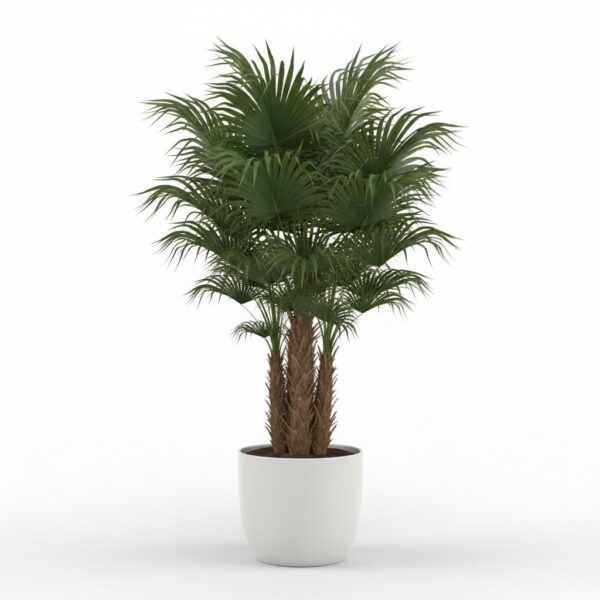
Chusan Palm
Trachycarpus fortunei
The Chusan Palm, or Windmill Palm, is a hardy, slow-growing evergreen palm tree known for its distinctive fan-shaped leaves and fibrous trunk. It typically reaches heights of 10-20 meters outdoors. While adaptable, it is primarily an outdoor plant that can be challenging to maintain indoors long-term. People grow it for its tropical appearance, cold hardiness, and ability to create a focal point in gardens and landscapes. It's often used to add a touch of the exotic to temperate climates.
Quick Plant Comparison
| Feature | Amethyst Flower | Chusan Palm |
|---|---|---|
| Light | Bright indirect light to partial sun. Needs at least 4-6 hours of bright light daily to flower well. | Full sun to partial shade. Requires at least 6 hours of direct sunlight daily for optimal growth. |
| Watering | Every 5-7 days, depending on environmental conditions | Every 1-2 weeks, depending on weather and soil drainage. |
| Humidity | 40-60% | 40-60% |
| Temperature | 18-24°C | 10-27°C |
| Care Level | Moderate | Expert |
| Growth Rate | Moderate | Slow |
| Max Height | 0.3-0.6 meters (1-2 feet) indoors | 1-2 meters (indoors, if attempted, but unlikely to thrive) |
| Pet Safety | ❌ Toxic To Pets | ✅ Safe |
| Soil | Well-draining potting mix, such as a mix of peat moss, perlite, and vermiculite. | Well-draining soil mix, such as a blend of potting soil, sand, and perlite. |
| Beginner Friendly | With Caution | ❌ No |
| Weekly Maintenance | 10 minutes weekly | 30 minutes monthly (primarily for pruning and fertilizing) |
🔬 Botanical Information — Comparing These Plants
Amethyst Flower
| Scientific Name | Browallia speciosa |
|---|---|
| Family | Solanaceae |
| Native To | Colombia, Venezuela |
| Also Known As | Amethyst Flower, Sapphire Flower, Bush Violet |
| Leaves | Oval to lance-shaped leaves, typically 2-4 inches long, with a smooth texture and medium green color. |
| Flowers | Yes, if given proper conditions. Star-shaped flowers, typically blue or violet, but also available in white and pink. Flowers are about 1-2 inches in diameter and bloom profusely. |
Chusan Palm
| Scientific Name | Trachycarpus fortunei |
|---|---|
| Family | Arecaceae |
| Native To | Central China, Myanmar |
| Also Known As | Chusan Palm, Windmill Palm, Chinese Windmill Palm |
| Leaves | Large, fan-shaped leaves (fronds) that are typically 1-2 meters in diameter. The leaves are dark green and divided into numerous segments. The leaf stalks (petioles) are armed with small teeth. |
| Flowers | Rarely flowers indoors. Outdoors, it produces small, yellow flowers in spring, followed by blue-black fruits. |
📏 Size & Growth — Plant Comparison
Amethyst Flower
Chusan Palm
🌱 Propagation — Comparing Plant Growth
Amethyst Flower
Methods: Seed, Stem cuttings
Difficulty: Easy
Tips: For stem cuttings, take 4-6 inch cuttings from new growth, remove the lower leaves, and place in water or moist potting mix. Keep the cuttings in a warm, humid environment. For seeds, sow indoors 6-8 weeks before the last frost.
Chusan Palm
Methods: Seed
Difficulty: Moderate
Tips: Soak seeds in warm water for 24 hours before planting in a well-draining seed starting mix. Maintain consistent moisture and warmth.
✨ Benefits & Features — Comparing Plant Value
Amethyst Flower
The Amethyst Flower is known for its profuse, star-shaped flowers that bloom for an extended period. Its vibrant blue or violet hues make it a standout addition to any garden or indoor space. It is relatively easy to propagate from seeds or cuttings.
- ✓ Adds vibrant color to indoor or outdoor spaces.
- ✓ Attracts pollinators to the garden.
- ✓ Provides a long blooming period.
- ✓ Can be grown in containers or garden beds.
- ✓ Relatively easy to propagate.
- ⚠️ Toxic to pets
Chusan Palm
The Chusan Palm is known for its exceptional cold hardiness compared to other palm species. Its fibrous trunk and fan-shaped leaves give it a distinctive appearance. It's also relatively slow-growing, making it suitable for smaller gardens.
- ✓ Adds a tropical aesthetic to your garden
- ✓ Provides shade and visual interest
- ✓ Cold-hardy and adaptable to various soil types
- ✓ Long-lived and relatively low-maintenance once established
- ✓ Can increase property value
- 🐾 Pet Safe
📅 Maintenance Schedule — Plant Care Comparison
Amethyst Flower
Chusan Palm
🌞 Light Requirements
Amethyst Flower
Bright indirect light to partial sun. Needs at least 4-6 hours of bright light daily to flower well.
Low light tolerant: ❌ No
Chusan Palm
Full sun to partial shade. Requires at least 6 hours of direct sunlight daily for optimal growth.
Low light tolerant: ❌ No
💧 Watering Needs
Amethyst Flower
Water thoroughly when the top inch of soil feels dry. Avoid overwatering, which can lead to root rot. Allow excess water to drain away. Signs of overwatering include yellowing leaves and wilting, while underwatering results in drooping and dry, crispy leaves.
Chusan Palm
Water deeply when the top inch of soil is dry. Overwatering can lead to root rot, especially in poorly draining soil. Underwatering will cause the fronds to droop and turn brown at the tips. Allow the soil to dry slightly between waterings.
🌡️ Temperature & Humidity
Amethyst Flower
Temperature: 18-24°C
Humidity: 40-60%
Chusan Palm
Temperature: 10-27°C
Humidity: 40-60%
🤔 Which Plant Is Right For You?
Amethyst Flower
Browallia speciosaGardeners who want a profuse bloomer for containers or borders in warm climates, or those willing to provide ample light for indoor flowering.
✅ Choose This Plant If...
- You want a plant with vibrant blue or violet flowers.
- You need a plant that blooms for a long period.
- You have a bright sunny spot to place the plant.
- You enjoy deadheading flowers to encourage more blooms.
- You want to attract pollinators to your garden.
❌ Skip This Plant If...
- You have pets that might ingest the plant.
- You don't have a bright location for it to thrive indoors.
- You are prone to overwatering plants.
Chusan Palm
Trachycarpus fortuneiGardeners in temperate climates seeking a cold-hardy palm for their landscape.
✅ Choose This Plant If...
- You live in a temperate climate and want a cold-hardy palm for your garden.
- You have a sunny outdoor space where the palm can thrive.
- You appreciate the tropical look and texture of palm trees.
- You are willing to provide the necessary care and maintenance for an outdoor palm.
- You want a slow-growing, long-lived tree.
❌ Skip This Plant If...
- You lack a sunny outdoor space.
- You are looking for an easy-to-care-for indoor plant.
- You live in a very cold climate with prolonged freezing temperatures.
- You have limited space, as this palm can eventually grow quite large.
🎯 Quick Verdict
⚡ Key Differences Between These Plants
Amethyst Flower is rated Moderate care level, while Chusan Palm is Expert.
Amethyst Flower has moderate growth, while Chusan Palm grows slow.
💡 Pro Tips For Comparing These Plants
Amethyst Flower Care Tips
Amethyst Flower requires bright light and consistent moisture. It's not naturally an indoor plant, so providing sufficient light is essential for flowering. Regular fertilization promotes abundant blooms. Watch out for pests and diseases. Toxicity to pets is a significant concern.
- Provide bright, indirect light to encourage blooming.
- Water thoroughly when the top inch of soil is dry.
- Fertilize regularly during the growing season.
- Pinch back stems to promote bushier growth.
- Monitor for pests and diseases and treat promptly.
Chusan Palm Care Tips
The Chusan Palm is primarily an outdoor plant. Indoor cultivation is challenging due to high light requirements and space limitations. It needs ample sunlight, well-draining soil, and careful watering to prevent root rot. Expect significantly slower growth indoors.
- Plant in well-draining soil to prevent root rot.
- Water deeply but infrequently, allowing the soil to dry slightly between waterings.
- Fertilize with a slow-release palm fertilizer in spring and summer.
- Protect from strong winds, which can damage the fronds.
- Remove dead or damaged fronds regularly to maintain appearance.
⚠️ Common Problems & Solutions — Plant Care Comparison
Amethyst Flower
Chusan Palm
❓ Frequently Asked Questions — Comparing These Plants
Amethyst Flower
What are the light requirements for Amethyst Flower?
Amethyst Flower requires bright, indirect light to thrive and produce abundant blooms. Insufficient light can lead to leggy growth and reduced flowering. An east-facing window is often ideal, providing gentle morning sun. A west-facing window can also work, but be cautious of intense afternoon sun which could scorch the leaves.
How do I care for Amethyst Flower?
Amethyst Flower thrives in bright, indirect light; direct sunlight can scorch its leaves. Water thoroughly when the top inch of soil feels dry, ensuring good drainage to prevent root rot. Maintain a humidity level of 50-60% using a humidifier or pebble tray. Fertilize every 2-3 weeks during the growing season (spring and summer) with a balanced liquid fertilizer diluted to half strength.
How do I propagate Amethyst Flower?
Amethyst Flower can be propagated through stem cuttings. Take a 4-6 inch cutting from a healthy stem, removing the lower leaves. Dip the cut end in rooting hormone and plant in a well-draining potting mix. Keep the soil moist and provide bright, indirect light. Roots should develop in 4-6 weeks.
Chusan Palm
What are the light requirements for Chusan Palm?
Chusan Palms thrive in bright, indirect light. While they can tolerate some direct sunlight, prolonged exposure to intense sun can scorch their fronds. An east-facing or west-facing window is ideal, providing ample light without the harshness of direct midday sun. If placing your palm in a south-facing window, use a sheer curtain to filter the light. Insufficient light can lead to slow growth and pale fronds. Rotate your palm regularly to ensure even light exposure on all sides. Outdoor plants should be situated in a location that receives morning sun and afternoon shade.
How do I care for Chusan Palm?
Chusan Palms are relatively easy to care for, making them a great choice for both beginners and experienced plant enthusiasts. Place your palm in a location with bright, indirect light. Water thoroughly when the top inch of soil feels dry, allowing excess water to drain away. Maintain moderate humidity levels, especially indoors. Fertilize during the growing season (spring and summer) with a balanced liquid fertilizer. Repot every few years as needed, using a well-draining potting mix. Prune away any dead or damaged fronds to maintain its appearance. Protect from extreme cold temperatures, especially if grown in containers outdoors. Monitor for pests and address any infestations promptly. Consistent care will ensure a healthy and thriving Chusan Palm.
How do I propagate Chusan Palm?
Chusan Palms can be propagated from seeds, although this process can be slow and require patience. Seeds should be soaked in warm water for 24 hours before planting in a well-draining seed starting mix. Keep the soil consistently moist and provide warmth. Germination can take several weeks or months. For clumping varieties, division is possible. Carefully separate the clumps at the root ball, ensuring each division has healthy roots and foliage. Replant each division into its own pot with well-draining potting mix. Water thoroughly and provide bright, indirect light. Propagation is best done in the spring or summer.
Last updated: May 6, 2026 — Plant care data reviewed and verified by our editorial team.