
Agave vs Fan Flower Plant Comparison
Compare these two plants side by side — care needs, key differences, and which is right for your home.
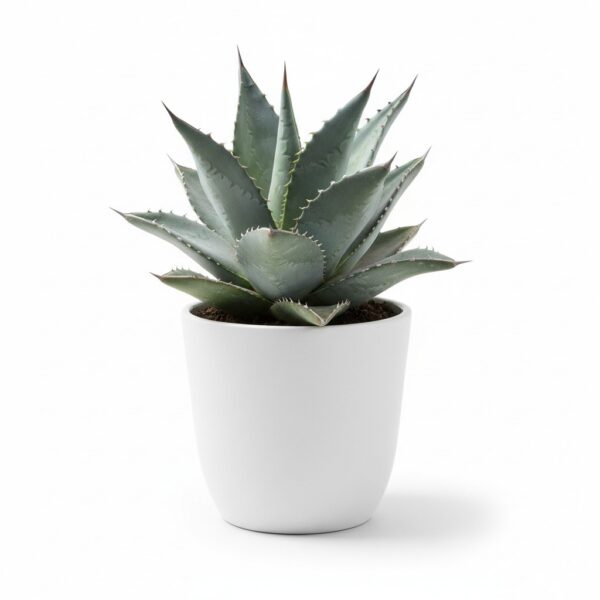
Agave
Agave americana
Agave americana, commonly known as the Century Plant, is a succulent native to Mexico. It is characterized by its large rosette of thick, fleshy, gray-green leaves that can grow up to 2 meters long. Each leaf has sharp teeth along the margins and a formidable terminal spine. While it's called the Century Plant, it typically flowers after 10-30 years, sending up a massive flower stalk that can reach up to 12 meters tall. After flowering, the main rosette dies, but it often produces offsets or 'pups' around the base. Primarily an outdoor plant, it's grown for its dramatic architectural form and drought tolerance. Indoor cultivation is challenging due to its size and high light requirements.

Fan Flower
Scaevola aemula
Scaevola aemula, commonly known as Fan Flower, is a tender perennial often grown as an annual. It features a distinctive fan-shaped flower arrangement, with blooms typically in shades of blue, purple, pink, or white. The plant has a mounding or trailing habit, reaching about 12-18 inches in height and spreading up to 24 inches. It is primarily an outdoor plant, prized for its continuous flowering throughout the warm season. People grow it for its vibrant colors, unique flower shape, and heat tolerance in garden beds, hanging baskets, and containers.
Quick Plant Comparison
| Feature | Agave | Fan Flower |
|---|---|---|
| Light | Full sun to partial shade. Requires at least 6 hours of direct sunlight daily. | Full sun to partial shade. Requires at least 6 hours of direct sunlight for optimal flowering. |
| Watering | Every 2-4 weeks, depending on climate and soil dryness. | Every 2-3 days in hot weather, less frequently in cooler conditions. |
| Humidity | 20-40% | 40-60% |
| Temperature | 15-30°C | 18-27°C |
| Care Level | Expert | Expert |
| Growth Rate | Slow | Moderate |
| Max Height | Outdoor: Up to 2 meters. Indoor (unlikely): 0.5-1 meter (very slow) | 15-30 cm (indoors, likely smaller) |
| Pet Safety | ❌ Toxic To Pets | ❌ Toxic To Pets |
| Soil | Well-draining cactus or succulent mix | Well-draining potting mix amended with perlite or sand. |
| Beginner Friendly | ❌ No | ❌ No |
| Weekly Maintenance | 5-10 minutes weekly (mostly checking for pests and watering) | 15 minutes weekly |
🔬 Botanical Information — Comparing These Plants
Agave
| Scientific Name | Agave americana |
|---|---|
| Family | Asparagaceae |
| Native To | Mexico, naturalized in many parts of the world |
| Also Known As | Century Plant, American Aloe, Maguey |
| Leaves | Thick, fleshy, gray-green leaves that can grow up to 2 meters long. Each leaf has sharp, hooked teeth along the margins and a sharp, pointed terminal spine. |
| Flowers | Rarely flowers indoors. Outdoors, after many years (10-30), it produces a massive flower stalk that can reach up to 12 meters tall, bearing numerous yellow-green flowers. |
Fan Flower
| Scientific Name | Scaevola aemula |
|---|---|
| Family | Goodeniaceae |
| Native To | Australia |
| Also Known As | Fan Flower, Fairy Fan-flower |
| Leaves | The leaves of Scaevola aemula are typically small, oval to lance-shaped, and have slightly serrated edges. They are usually a medium to dark green color and have a slightly succulent texture. |
| Flowers | Fan Flower blooms profusely throughout the warm season, producing numerous fan-shaped flowers. The flowers come in shades of blue, purple, pink, and white. While it can flower indoors under ideal conditions, flowering is significantly reduced compared to outdoor growth. |
📏 Size & Growth — Plant Comparison
Agave
Fan Flower
🌱 Propagation — Comparing Plant Growth
Agave
Methods: Offsets (pups), Seed
Difficulty: Easy
Tips: Separate offsets from the main plant carefully, allowing the cut surface to callus over for a few days before planting in well-draining soil. Keep slightly moist until roots develop.
Fan Flower
Methods: Stem cuttings, Seed
Difficulty: Moderate
Tips: Take stem cuttings in spring or summer. Dip the cut end in rooting hormone and plant in moist potting mix. Keep cuttings in a warm, humid environment until roots develop. Seeds can be sown indoors 6-8 weeks before the last frost.
✨ Benefits & Features — Comparing Plant Value
Agave
Agave americana is unique due to its dramatic size, architectural form, and long lifespan before flowering. The massive flower stalk is a spectacular event, although it signals the end of the main rosette's life. The sharp spines and toxic sap also distinguish it from other succulents.
- ✓ Drought tolerance reduces water consumption.
- ✓ Architectural form adds visual interest to landscapes.
- ✓ Low maintenance once established.
- ✓ Provides habitat for pollinators in outdoor settings.
- ✓ Can be used as a focal point in xeriscaping.
- ⚠️ Toxic to pets
Fan Flower
The most distinctive feature of Scaevola aemula is its fan-shaped flower arrangement, where the petals are arranged on one side of the flower. This unique shape gives the plant its common name, Fan Flower. It is also known for its heat and drought tolerance, making it a popular choice for warm climates.
- ✓ Provides vibrant color to outdoor spaces.
- ✓ Attracts pollinators like butterflies and bees.
- ✓ Tolerates heat and drought once established.
- ✓ Offers a unique and interesting flower shape.
- ✓ Can be used in hanging baskets, containers, and garden beds.
- ⚠️ Toxic to pets
📅 Maintenance Schedule — Plant Care Comparison
Agave
Fan Flower
🌞 Light Requirements
Agave
Full sun to partial shade. Requires at least 6 hours of direct sunlight daily.
Low light tolerant: ❌ No
Fan Flower
Full sun to partial shade. Requires at least 6 hours of direct sunlight for optimal flowering.
Low light tolerant: ❌ No
💧 Watering Needs
Agave
Water deeply but infrequently, allowing the soil to dry out completely between waterings. Overwatering can lead to root rot. Signs of underwatering include shriveled leaves; overwatering includes soft, mushy leaves.
Fan Flower
Water thoroughly when the top inch of soil feels dry. Avoid overwatering, which can lead to root rot. Allow the soil to drain well. Signs of underwatering include wilting leaves and dry soil. Overwatering symptoms include yellowing leaves and soggy soil.
🌡️ Temperature & Humidity
Agave
Temperature: 15-30°C
Humidity: 20-40%
Fan Flower
Temperature: 18-27°C
Humidity: 40-60%
🤔 Which Plant Is Right For You?
Agave
Agave americanaExperienced gardeners in warm, arid climates who want a dramatic, drought-tolerant landscape plant.
✅ Choose This Plant If...
- You live in a warm, dry climate with plenty of sunlight.
- You want a low-maintenance, drought-tolerant plant for your garden.
- You appreciate the dramatic, architectural form of succulents.
- You have a large outdoor space to accommodate its eventual size.
- You are experienced with succulent care and understand its specific needs.
❌ Skip This Plant If...
- You live in a cold climate with frequent frosts.
- You have limited space, especially indoors.
- You have pets or small children due to the toxic sap and sharp spines.
- You are a beginner gardener with limited experience.
- You cannot provide the necessary full sun exposure.
Fan Flower
Scaevola aemulaExperienced gardeners who can provide ample sunlight and proper care, primarily outdoors.
✅ Choose This Plant If...
- You want a plant with unique fan-shaped flowers.
- You need a plant that tolerates heat and sun.
- You want continuous blooms throughout the summer.
- You are looking for a plant to attract butterflies.
- You have a sunny outdoor space like a patio or balcony.
❌ Skip This Plant If...
- You have pets that might ingest the plant.
- You cannot provide at least 6 hours of direct sunlight daily.
- You are looking for a low-maintenance indoor plant.
🎯 Quick Verdict
⚡ Key Differences Between These Plants
Agave has slow growth, while Fan Flower grows moderate.
💡 Pro Tips For Comparing These Plants
Agave Care Tips
Agave americana is primarily an outdoor plant and challenging to grow indoors due to its high light requirements and eventual large size. It needs very well-draining soil and infrequent watering. Indoor cultivation requires a very sunny location and careful monitoring to prevent overwatering. The sharp spines also pose a safety hazard.
- Ensure excellent drainage to prevent root rot.
- Provide full sun for optimal growth and health.
- Water deeply but infrequently, allowing the soil to dry completely between waterings.
- Protect from frost in colder climates.
- Handle with care due to the sharp spines.
Fan Flower Care Tips
Fan Flower is primarily an outdoor plant and requires full sun to thrive. It can be challenging to maintain indoors due to its high light requirements. Providing adequate light, proper watering, and well-draining soil are crucial for its survival indoors. Expect reduced flowering and potentially leggy growth indoors.
- Provide well-draining soil to prevent root rot.
- Water deeply but infrequently, allowing the soil to dry slightly between waterings.
- Fertilize regularly during the growing season to promote continuous blooming.
- Pinch back stems to encourage bushier growth.
- Protect from frost if overwintering.
⚠️ Common Problems & Solutions — Plant Care Comparison
Agave
Fan Flower
❓ Frequently Asked Questions — Comparing These Plants
Agave
What are the light requirements for Agave?
Agave plants require abundant sunlight to thrive. Aim for at least six hours of direct sunlight per day. A south-facing window is usually ideal for indoor Agave. If you cannot provide enough natural light, consider supplementing with a grow light. Insufficient light can lead to etiolation, where the plant stretches towards the light source, resulting in weak, elongated growth. Rotate your Agave regularly to ensure even exposure to light and prevent it from leaning excessively in one direction. When moving an Agave from a lower light environment to brighter conditions, do so gradually to avoid sunburn.
How do I care for Agave?
Agave thrives in bright, direct sunlight and well-draining soil. Water thoroughly only when the soil is completely dry, typically every 2-4 weeks, less frequently in winter. Overwatering is a common killer of Agave, so err on the side of dryness. Use a cactus or succulent potting mix to ensure proper drainage. Repot only when the plant becomes root-bound, typically every 2-3 years, in a slightly larger pot. Fertilize sparingly, only during the growing season (spring and summer), with a balanced liquid fertilizer diluted to half strength. Protect from frost, as most Agave species are not cold-hardy. Provide good air circulation to prevent fungal diseases. Regularly inspect for pests, such as mealybugs or scale, and treat promptly if detected. Prune any dead or damaged leaves to maintain a clean appearance.
How do I propagate Agave?
Agave can be propagated through offsets (pups), leaf cuttings, and stem cuttings. Offsets are the easiest method. Carefully remove the offset from the mother plant, ensuring it has its own roots. Allow the cut end to callous over for a few days before planting in well-draining soil. For leaf cuttings, let the cut end callous over for a week or two, then place it in well-draining soil. Stem cuttings should also be allowed to callous before planting. Keep the soil slightly moist until roots develop. Propagation is best done during the growing season (spring and summer). Be patient, as root development can take several weeks or even months.
Fan Flower
What are the light requirements for Fan Flower?
Fan Flower requires at least 6-8 hours of direct sunlight per day to thrive and produce abundant blooms. Insufficient light can lead to leggy growth and reduced flowering. When growing indoors, place Fan Flower near a south-facing window where it can receive ample sunlight. If natural light is limited, supplement with grow lights. Rotate the plant regularly to ensure even light exposure on all sides. In hot climates, provide some afternoon shade to prevent scorching. Monitor the plant for signs of light stress, such as pale or yellowing leaves, and adjust its location accordingly. Optimal light exposure is crucial for healthy growth and prolific flowering.
How do I care for Fan Flower?
Fan Flower thrives in well-draining soil and requires full sun for optimal blooming. Water regularly, allowing the top inch of soil to dry out between waterings. Fertilize every 2-3 weeks during the growing season with a balanced liquid fertilizer to promote abundant flowering. Deadhead spent blooms to encourage continuous blooming. Prune lightly to maintain shape and encourage bushier growth. Provide adequate air circulation to prevent fungal diseases. Protect from frost, as Fan Flower is not frost-hardy. In cooler climates, grow in containers that can be moved indoors during winter. Monitor for pests such as aphids and spider mites, and treat promptly if infestation occurs. Ensure proper drainage to prevent root rot.
How do I propagate Fan Flower?
Fan Flower can be propagated through stem cuttings or division.
Last updated: April 19, 2026 — Plant care data reviewed and verified by our editorial team.