
Acacia vs Matrimony Vine Plant Comparison
Compare these two plants side by side — care needs, key differences, and which is right for your home.
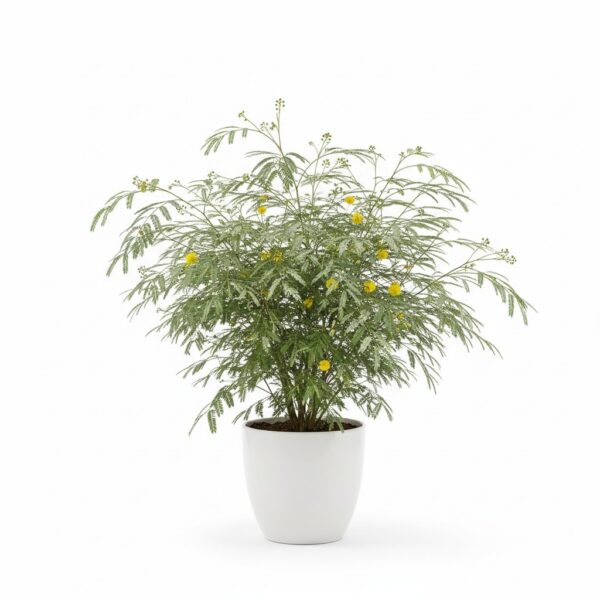
Acacia
Acacia spp.
Acacia is a diverse genus of shrubs and trees, characterized by their bipinnate or phyllode (flattened petioles acting as leaves) foliage and often fragrant, ball-shaped or cylindrical flower clusters. Most Acacia species are fast-growing and adapted to arid or semi-arid conditions. They are primarily outdoor plants, valued for their ornamental flowers, shade, and soil stabilization properties. Indoor cultivation is challenging due to their high light requirements and large size.

Matrimony Vine
Lycium barbarum
Lycium barbarum, commonly known as Goji Berry or Matrimony Vine, is a deciduous woody vine or shrub typically grown for its edible berries. It can reach heights of 1-3 meters. It features arching branches with lance-shaped, grayish-green leaves. While it can be grown in containers, it is primarily an outdoor plant that thrives in full sun and well-drained soil. People grow it for its nutritious berries, ornamental value, and traditional medicinal uses. Indoor cultivation is challenging due to its high light requirements and sprawling growth habit.
Quick Plant Comparison
| Feature | Acacia | Matrimony Vine |
|---|---|---|
| Light | Full sun (at least 6-8 hours of direct sunlight daily) | Full sun (at least 6-8 hours of direct sunlight daily) |
| Watering | Highly variable depending on climate and pot size. Check soil moisture regularly. | Every 7-10 days during the growing season, less frequently in winter |
| Humidity | 30-50% | 30-50% |
| Temperature | 15-25°C | 15-25°C |
| Care Level | Expert | Expert |
| Growth Rate | Fast | Fast |
| Max Height | Rarely exceeds 2-3 meters in containers indoors (but typically much larger outdoors) | 1-3 meters (outdoor); significantly smaller in containers indoors, typically under 1 meter |
| Pet Safety | ❌ Toxic To Pets | ❌ Toxic To Pets |
| Soil | Well-draining sandy or loamy soil | Well-drained loamy soil |
| Beginner Friendly | ❌ No | ❌ No |
| Weekly Maintenance | 30 minutes weekly (primarily watering and pest control) | 30 minutes weekly |
🔬 Botanical Information — Comparing These Plants
Acacia
| Scientific Name | Acacia spp. |
|---|---|
| Family | Fabaceae |
| Native To | Australia (most species), Africa, Asia, Americas |
| Also Known As | Wattle, Mimosa, Thorntree, Acacia Tree |
| Leaves | Leaves can be either bipinnate (feather-like) or phyllode (flattened petioles that function as leaves). Color varies depending on the species, but is typically green or grayish-green. Phyllodes are often leathery in texture. |
| Flowers | Acacia flowers are typically small, ball-shaped or cylindrical clusters of yellow or white flowers. Flowering occurs in spring or summer. Flowering is rare indoors due to insufficient light. |
Matrimony Vine
| Scientific Name | Lycium barbarum |
|---|---|
| Family | Solanaceae |
| Native To | Southeastern Europe and Asia |
| Also Known As | Goji Berry, Wolfberry, Chinese Wolfberry |
| Leaves | The leaves are lance-shaped, grayish-green, and typically 2-4 inches long. They are arranged alternately along the branches. |
| Flowers | It produces small, purple, bell-shaped flowers in the summer. While it may flower indoors, fruit production is unlikely without proper pollination and sufficient sunlight. |
📏 Size & Growth — Plant Comparison
Acacia
Matrimony Vine
🌱 Propagation — Comparing Plant Growth
Acacia
Methods: Seed, Stem cuttings
Difficulty: Moderate
Tips: Soak seeds in hot water before sowing to break dormancy. Take stem cuttings in spring and root in well-draining soil.
Matrimony Vine
Methods: Stem cuttings, Seed, Root suckers
Difficulty: Easy
Tips: Take stem cuttings in spring or summer. Root in water or directly in soil. Seeds require stratification for optimal germination. Root suckers can be separated and transplanted.
✨ Benefits & Features — Comparing Plant Value
Acacia
Acacia species are known for their fast growth and ability to thrive in dry conditions. Many species have fragrant flowers that attract pollinators. The foliage can be either bipinnate or phyllode.
- ✓ Provides shade
- ✓ Attracts pollinators
- ✓ Adds beauty to the landscape
- ✓ Helps prevent soil erosion
- ✓ Fixes nitrogen in the soil
- ⚠️ Toxic to pets
Matrimony Vine
Goji berry is known for its high antioxidant content and is considered a superfood. It's a deciduous vine or shrub with arching branches and edible berries.
- ✓ Provides edible and nutritious berries.
- ✓ Offers ornamental value with its arching branches and foliage.
- ✓ Can be used in traditional medicine.
- ✓ Attracts pollinators to the garden.
- ✓ Relatively drought-tolerant once established.
- ⚠️ Toxic to pets
📅 Maintenance Schedule — Plant Care Comparison
Acacia
Matrimony Vine
🌞 Light Requirements
Acacia
Full sun (at least 6-8 hours of direct sunlight daily)
Low light tolerant: ❌ No
Matrimony Vine
Full sun (at least 6-8 hours of direct sunlight daily)
Low light tolerant: ❌ No
💧 Watering Needs
Acacia
Water deeply when the soil is dry to the touch. Overwatering can lead to root rot, especially in containers. Allow the soil to dry out slightly between waterings. Signs of underwatering include wilting and leaf drop. Signs of overwatering include yellowing leaves and soggy soil.
Matrimony Vine
Water deeply when the top inch of soil is dry. Avoid overwatering, which can lead to root rot. During the growing season, water more frequently. Reduce watering in the winter. Signs of overwatering include yellowing leaves and soggy soil. Underwatering is indicated by wilting leaves and dry soil.
🌡️ Temperature & Humidity
Acacia
Temperature: 15-25°C
Humidity: 30-50%
Matrimony Vine
Temperature: 15-25°C
Humidity: 30-50%
🤔 Which Plant Is Right For You?
Acacia
Acacia spp.Experienced gardeners in warm climates who want a fast-growing, flowering tree for their outdoor space.
✅ Choose This Plant If...
- You live in a warm climate with plenty of sunshine and want a fast-growing shade tree.
- You are an experienced gardener looking for a challenging plant to grow.
- You appreciate fragrant, flowering trees.
- You need a plant that can tolerate dry conditions.
- You want to attract pollinators to your garden.
❌ Skip This Plant If...
- You have limited sunlight indoors.
- You are a beginner gardener.
- You have pets that might ingest the plant.
- You live in a cold climate with frequent frosts.
- You don't have space for a large tree.
Matrimony Vine
Lycium barbarumExperienced gardeners in temperate climates who want to grow their own goji berries outdoors.
✅ Choose This Plant If...
- You want to grow your own goji berries.
- You have a sunny outdoor space.
- You are an experienced gardener.
- You appreciate plants with medicinal properties.
- You are prepared to manage its sprawling growth.
❌ Skip This Plant If...
- You have limited sunlight indoors.
- You have pets that might ingest the plant.
- You are a beginner gardener.
- You don't have space for a large, sprawling vine.
- You are not prepared for regular pruning.
🎯 Quick Verdict
⚡ Key Differences Between These Plants
Both plants have similar basic care requirements but differ in appearance and specific needs. Compare plants carefully to find the best fit for your space.
💡 Pro Tips For Comparing These Plants
Acacia Care Tips
Acacia is primarily an outdoor plant and very challenging to grow indoors. It requires intense sunlight, well-draining soil, and careful watering. Maintaining adequate light levels indoors is the biggest hurdle. Expect limited growth and potential pest issues.
- Provide at least 6-8 hours of direct sunlight daily.
- Use well-draining soil to prevent root rot.
- Water deeply but infrequently, allowing the soil to dry out between waterings.
- Fertilize regularly during the growing season.
- Protect from frost in colder climates.
Matrimony Vine Care Tips
Lycium barbarum is primarily an outdoor plant. Indoor cultivation is challenging due to its high light requirements and sprawling growth habit. It needs full sun, well-drained soil, and regular pruning. Expect reduced berry production indoors. Toxicity to pets is a major concern.
- Provide full sun for optimal growth and fruit production.
- Water deeply but infrequently, allowing the soil to dry out slightly between waterings.
- Prune regularly to maintain shape and encourage fruit production.
- Fertilize in spring and early summer with a balanced fertilizer.
- Protect from frost in colder climates.
⚠️ Common Problems & Solutions — Plant Care Comparison
Acacia
Matrimony Vine
❓ Frequently Asked Questions — Comparing These Plants
Acacia
What are the light requirements for Acacia?
Acacia trees thrive in bright, indirect light. Insufficient light can lead to leggy growth and reduced flowering. A location near an east- or west-facing window is ideal. Avoid placing them in direct sunlight, especially during the hottest part of the day, as this can cause leaf burn. If you don’t have access to sufficient natural light, consider using a grow light to supplement. Rotate the plant regularly to ensure even growth on all sides. Yellowing leaves can indicate that the plant is receiving too much direct sunlight.
How do I care for Acacia?
Acacia trees need bright, indirect light; avoid direct sunlight, which can scorch the leaves. Water thoroughly when the top inch of soil feels dry to the touch. Ensure the pot has good drainage to prevent root rot. Maintain moderate humidity levels; consider using a humidifier or pebble tray. Fertilize monthly during the growing season (spring and summer) with a balanced liquid fertilizer diluted to half strength. Prune regularly to maintain shape and remove dead or damaged branches. Repot every 2-3 years in the spring, using a well-draining potting mix. Maintain a stable temperature between 65-75°F (18-24°C). Protect from drafts and sudden temperature changes. Monitor for pests such as spider mites and mealybugs, and treat promptly.
How do I propagate Acacia?
Acacia can be propagated through stem cuttings or air layering. For stem cuttings, take a 4-6 inch cutting from a healthy stem. Remove the lower leaves and dip the cut end in rooting hormone. Plant the cutting in a well-draining potting mix and keep it moist. Cover with a plastic bag to increase humidity. Roots should develop in a few weeks. For air layering, make a small cut on a stem and wrap it with moist sphagnum moss. Cover the moss with plastic wrap and secure it with tape. Once roots develop, cut the stem below the roots and plant it in a pot. Ensure good air circulation and consistent moisture.
Matrimony Vine
What are the light requirements for Matrimony Vine?
Matrimony Vine thrives in full sun, requiring at least 6 hours of direct sunlight each day to promote optimal growth and berry production. While it can tolerate partial shade, insufficient light can lead to leggy growth, reduced flowering, and fewer berries.
How do I care for Matrimony Vine?
Matrimony Vine requires full sun to partial shade, ideally at least 6 hours of direct sunlight daily. Water thoroughly when the top inch of soil feels dry, but avoid overwatering. Well-draining soil is crucial to prevent root rot. Fertilize monthly during the growing season (spring and summer) with a balanced liquid fertilizer.
How do I propagate Matrimony Vine?
Matrimony Vine can be easily propagated through stem cuttings or layering. For stem cuttings, take 4-6 inch cuttings from healthy stems in spring or summer. Remove the lower leaves and dip the cut end in rooting hormone. Plant the cutting in a well-draining potting mix and keep it moist. Roots should develop in a few weeks.
Last updated: May 5, 2026 — Plant care data reviewed and verified by our editorial team.