
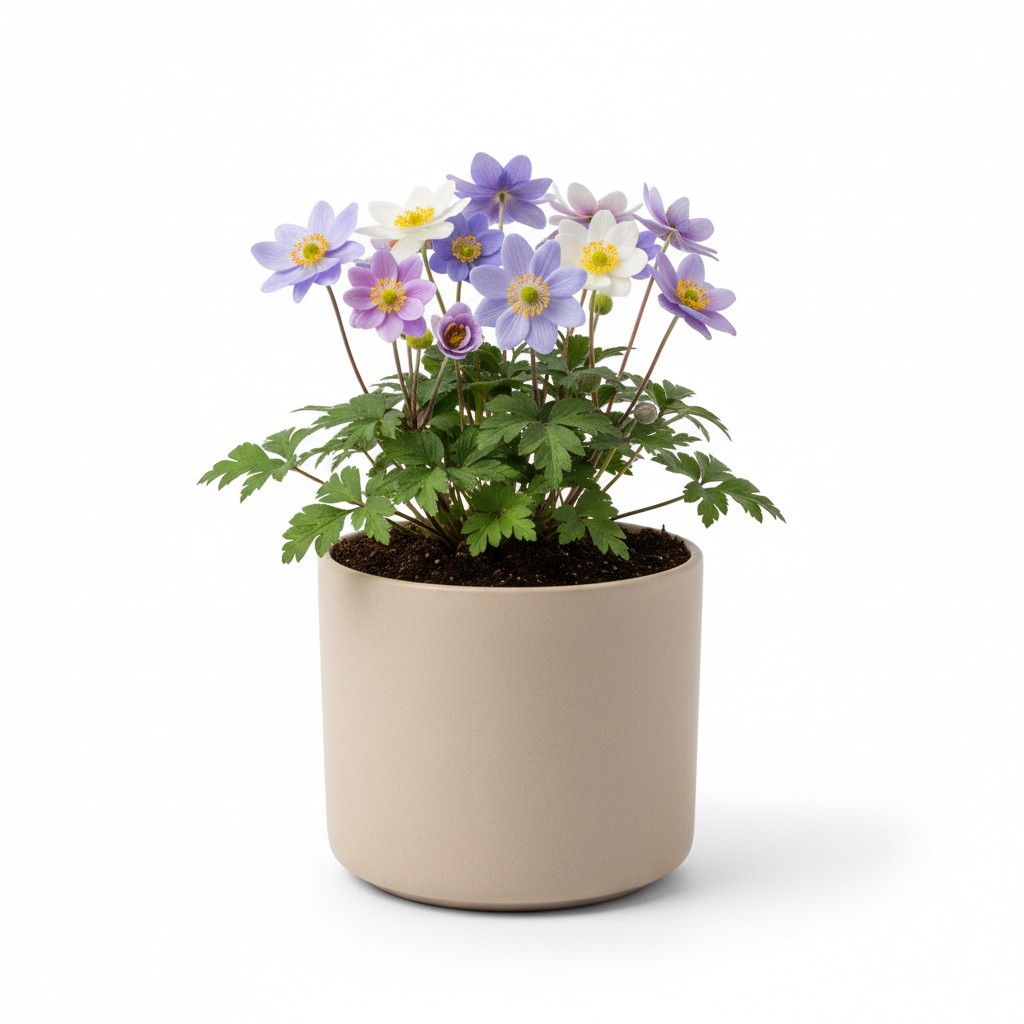
Why You'll Love It
Windflowers, with their delicate, poppy-like blooms, bring a touch of ethereal beauty to any garden or indoor space. Their charming, cup-shaped flowers dance gracefully in the breeze, hence the name "Windflower," creating a mesmerizing display. These plants are relatively easy to care for, making them a favorite among both novice and experienced plant enthusiasts. The vibrant colors, ranging from pristine white to deep blues and pinks, add a splash of joy to any setting. Windflowers are also known for their extended blooming season, providing weeks of vibrant color. Their versatility allows them to thrive in various settings, from borders and rock gardens to containers and woodland areas. Their charm and adaptability make them a delightful addition to any plant collection.
The Story
Windflowers, belonging to the genus Anemone, boast a rich history rooted in both mythology and botany. The name "Anemone" is derived from the Greek word "anemos," meaning "wind," reflecting the plant's sensitivity to even the slightest breeze. Legend has it that anemones sprang from the tears of Aphrodite as she mourned the death of Adonis. Native to temperate regions across the globe, these plants have been cherished for centuries for their captivating beauty and medicinal properties. In some cultures, windflowers symbolize anticipation and protection against evil. They have been cultivated in gardens since the 16th century, with numerous varieties developed to enhance their floral display and resilience. Their enduring popularity speaks to their timeless appeal and cultural significance. They bring a touch of whimsy and elegance to any garden landscape.
Complete Care Guide
Windflowers thrive in well-draining soil and prefer partial shade, especially in warmer climates. Water regularly, keeping the soil consistently moist but not waterlogged. During the active growing season (spring and summer), fertilize every 2-4 weeks with a balanced liquid fertilizer. Deadhead spent flowers to encourage continuous blooming. Protect from strong winds and extreme temperatures. In colder regions, provide winter protection such as mulching or bringing potted plants indoors. Regularly inspect for pests and diseases. Ensure good air circulation to prevent fungal issues. Repotting is best done in the spring when new growth emerges. Provide support if needed for taller varieties.
Light Requirements
Windflowers prefer partial shade, particularly during the hottest part of the day. Direct sunlight can scorch their delicate leaves and fade their vibrant blooms. An east-facing window or a spot with filtered sunlight is ideal for indoor Windflowers. If growing outdoors, plant them under the dappled shade of trees or shrubs. Insufficient light can result in leggy growth and reduced flowering. Monitor the leaves for signs of scorching or fading, and adjust the plant's location accordingly. Rotate potted plants regularly to ensure even light exposure on all sides.
Seasonal Care
Spring
In spring, provide regular watering and fertilize every 2-4 weeks with a balanced liquid fertilizer. Deadhead spent flowers to encourage continuous blooming. Divide plants if needed to propagate new plants.
Summer
During the summer, provide shade during the hottest part of the day. Water regularly and monitor for pests and diseases. Mulch around the base of the plant to retain moisture.
Fall
In the fall, reduce watering slightly. Allow the foliage to die back naturally. Mulch around the base of the plant to provide winter protection.
Winter
In colder regions, provide winter protection such as mulching or bringing potted plants indoors. Reduce watering to a minimum. Protect from freezing temperatures.
The Life of Your Windflower
Seedling / Juvenile
Begin with well-draining potting mix. Sow seeds indoors 6-8 weeks before the last expected frost. Keep the soil consistently moist and provide bright, indirect light. Once seedlings emerge, thin them out to allow for adequate growth.
Adolescent
As the plant develops, gradually acclimate it to outdoor conditions. Provide regular watering and fertilize every 2-4 weeks. Monitor for pests and diseases. Ensure adequate spacing to allow for proper air circulation.
Mature
During the blooming period, deadhead spent flowers to encourage continuous flowering. Water regularly and fertilize as needed. Provide support if necessary for taller varieties. Protect from strong winds and extreme temperatures.
Established
After blooming, reduce watering slightly. Allow the foliage to die back naturally. In colder regions, provide winter protection. Divide the plant in the spring to propagate new plants.
Propagation Guide
Windflowers can be propagated through division, stem cuttings, or from seed. Division is best done in the spring or fall. Carefully dig up the plant and separate the roots into smaller clumps. Replant the clumps in well-draining soil. Stem cuttings can be taken in the spring or summer. Take a 4-6 inch cutting and remove the lower leaves. Dip the cutting in rooting hormone and plant it in a well-draining potting mix. Keep the soil consistently moist and provide bright, indirect light. Seeds can be sown indoors or outdoors. Sow seeds in well-draining soil and keep them consistently moist. Germination can take several weeks.
Expert Knowledge
Windflowers benefit from regular feeding with a fertilizer high in phosphorus to promote abundant blooms. Avoid over-fertilizing, as this can lead to excessive foliage growth at the expense of flowers. Consider planting Windflowers in groups to create a more visually appealing display. Some varieties of Windflowers are deer-resistant, making them a good choice for gardens in areas with deer populations. Windflowers attract pollinators such as bees and butterflies, contributing to a healthy garden ecosystem. Their ability to naturalize makes them an excellent choice for woodland gardens.
Troubleshooting
Yellow leaves
Yellow leaves can indicate overwatering or poor drainage. Allow the soil to dry out slightly between waterings. Ensure the pot has drainage holes. Improve air circulation around the plant.
Brown leaf edges
Brown edges can be caused by dry air or inconsistent watering. Increase humidity by misting the plant or using a humidifier. Water regularly and consistently. Avoid letting the soil dry out completely.
Drooping leaves
Drooping can indicate underwatering or root rot. Check the soil moisture and water accordingly. If root rot is suspected, repot the plant in fresh, well-draining soil.
Root rot
Root rot is caused by overwatering and poor drainage. Repot the plant in fresh, well-draining soil. Remove any affected roots. Improve air circulation around the plant.
Pests
Common pests include aphids, spider mites, and slugs. Treat infestations with insecticidal soap or neem oil. Remove slugs by hand. Maintain good air circulation to prevent pest problems.
Frequently Asked Questions
What are the ideal light conditions?
Windflowers prefer partial shade or filtered sunlight. Avoid direct sunlight, which can scorch their leaves.
How often should I water?
Water Windflowers regularly, keeping the soil consistently moist but not waterlogged. Allow the top inch of soil to dry out between waterings.
When should I repot?
Repot Windflowers in the spring when new growth emerges. Choose a pot that is slightly larger than the previous one and use well-draining potting mix.
Is it toxic to pets?
Windflowers can be toxic to pets and children if ingested. Contact a veterinarian or medical professional if ingestion occurs.
How big will it grow?
The size of Windflowers varies depending on the species, ranging from a few inches to several feet tall.
Can I propagate at home?
Yes, Windflowers can be propagated at home through division, stem cuttings, or from seed.


