Why You'll Love It
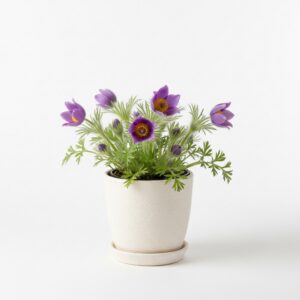
Lychnis, also known as Catchfly or Campion, is a delightful addition to any garden or landscape, captivating plant enthusiasts with its vibrant blooms and easy-going nature. The genus offers a spectrum of colors, from the fiery reds of Lychnis chalcedonica (Maltese Cross) to the delicate pinks of Lychnis coronaria (Rose Campion), ensuring there's a variety to suit every taste. These plants are adored for their long blooming period, attracting pollinators like butterflies and hummingbirds, adding life and movement to your outdoor space. Their low-maintenance needs make them perfect for both beginner and experienced gardeners, providing a rewarding display of color with minimal effort. The unique textures and shapes of their foliage also add visual interest even when not in bloom. Overall, Lychnis offers a blend of beauty, resilience, and ecological value that makes it a cherished plant among garden lovers.
The Story
Lychnis species are native to various parts of Europe and Asia, with some varieties naturalized in North America. Their natural habitats range from meadows and grasslands to rocky slopes and woodland edges, reflecting their adaptability to different environmental conditions. The name "Lychnis" is believed to be derived from the Greek word "lychnos," meaning lamp, possibly referring to the bright, vibrant colors of the flowers that seem to illuminate the landscape. Historically, Lychnis plants have been used in traditional medicine for their purported anti-inflammatory and wound-healing properties, though these uses are not widely recognized today. In the language of flowers, Lychnis can symbolize religious enthusiasm or ardor, reflecting the striking and passionate appearance of its blooms. Over time, Lychnis has been cultivated and hybridized to create a wide array of ornamental varieties, prized for their beauty and ease of cultivation.
Complete Care Guide
Lychnis thrives in well-draining soil and prefers a sunny location with at least six hours of sunlight per day. Water thoroughly when the top inch of soil feels dry, but avoid overwatering, as this can lead to root rot. Fertilize in the spring with a balanced, slow-release fertilizer to promote healthy growth and abundant blooms. Deadhead spent flowers regularly to encourage continuous blooming throughout the season. Lychnis is generally a hardy plant, but it can benefit from a layer of mulch around the base to help retain moisture and suppress weeds. In colder climates, provide winter protection by mulching heavily or moving potted plants to a sheltered location. Prune back the plant in late fall or early spring to maintain its shape and encourage new growth. Regularly inspect your Lychnis for pests such as aphids or spider mites and treat as needed with insecticidal soap or neem oil.
Light Requirements
Lychnis plants are sun-loving perennials that require ample sunlight to thrive and produce abundant blooms. Ideally, they should receive at least six hours of direct sunlight per day. In hotter climates, some afternoon shade can be beneficial to prevent scorching, especially for varieties with delicate foliage. When planting Lychnis in the garden, choose a location that receives full sun exposure. If growing Lychnis in containers, place them in a sunny spot on a patio or balcony. Insufficient sunlight can result in leggy growth, reduced blooming, and faded flower colors. Observe your Lychnis plants regularly and adjust their location if necessary to ensure they are receiving adequate sunlight.
Seasonal Care
Spring
In spring, remove any winter mulch and prune back dead or damaged growth. Fertilize with a balanced fertilizer to promote new growth and blooming. Monitor for pests and diseases.
Summer
During the summer, deadhead spent flowers regularly to encourage continuous blooming. Water deeply but less frequently, allowing the soil to dry slightly between waterings. Provide afternoon shade in hotter climates.
Fall
In the fall, cut back the plant to near ground level after blooming has finished. Apply a layer of mulch around the base of the plant to provide winter protection.
Winter
In colder climates, provide additional winter protection by covering the plant with a thick layer of mulch or moving potted plants to a sheltered location. Avoid overwatering during the winter months.
The Life of Your Lychnis
Seedling / Juvenile
For Lychnis seedlings, provide consistent moisture without overwatering. Ensure well-draining soil to prevent root rot. Gradually introduce seedlings to increasing amounts of sunlight to harden them off before transplanting outdoors.
Adolescent
As Lychnis plants mature, monitor for pests and diseases. Provide support if necessary, especially for taller varieties. Fertilize regularly with a balanced fertilizer to encourage robust growth and prepare for blooming.
Mature
During the blooming period, deadhead spent flowers regularly to promote continuous blooming. Water deeply but less frequently, allowing the soil to dry slightly between waterings. Monitor for signs of stress or nutrient deficiencies.
Established
After blooming, cut back the plant to encourage reblooming or to maintain a tidy appearance. Divide established plants every few years to prevent overcrowding and rejuvenate growth. Continue to provide regular care and maintenance.
Propagation Guide
Lychnis can be propagated through several methods. Division: Carefully dig up an established plant and divide the root ball into smaller sections, ensuring each section has healthy roots and foliage. Replant the divisions in well-draining soil. Stem Cuttings: Take stem cuttings in the spring or summer, selecting healthy, non-flowering stems. Remove the lower leaves and dip the cut end in rooting hormone. Plant the cuttings in a well-draining potting mix and keep them moist until they root. Seed: Lychnis can also be grown from seed, sown directly into the garden in the spring or fall. Ensure the soil is well-prepared and keep the seeds moist until they germinate. Germination typically takes 10-14 days.
Expert Knowledge
To maximize the lifespan of your Lychnis plants, consider planting them in a location with excellent drainage. Amend heavy clay soils with organic matter to improve drainage and aeration. Regular deadheading is crucial for promoting continuous blooming and preventing self-seeding, which can lead to unwanted spread. Some Lychnis species are prone to powdery mildew, especially in humid conditions. Ensure good air circulation around the plants and treat with a fungicide if necessary. Lychnis can also be susceptible to slug and snail damage, so take appropriate measures to protect your plants.
Troubleshooting
Yellow leaves
Yellow leaves can indicate overwatering, nutrient deficiencies, or pest infestations. Adjust watering practices, fertilize with a balanced fertilizer, and inspect for pests.
Brown leaf edges
Brown edges on leaves may be caused by underwatering, excessive sunlight, or dry air. Adjust watering frequency, provide afternoon shade, and increase humidity if necessary.
Drooping leaves
Drooping can be a sign of underwatering, root rot, or transplant shock. Adjust watering practices, improve drainage, and provide support if needed.
Root rot
Root rot is caused by overwatering and poor drainage. Improve drainage by amending the soil with perlite or sand, and reduce watering frequency.
Pests
Pests such as aphids and spider mites can damage Lychnis plants. Treat infestations with insecticidal soap or neem oil.
Frequently Asked Questions
What are the ideal light conditions?
Lychnis needs at least six hours of direct sunlight daily.
How often should I water?
Water thoroughly when the top inch of soil feels dry.
When should I repot?
Repot in spring if root-bound, using well-draining soil.
Is it toxic to pets?
Lychnis is generally considered non-toxic to pets and children.
How big will it grow?
Lychnis typically grows 1-3 feet tall and wide.
Can I propagate at home?
Yes, Lychnis can be propagated by seed, division, or cuttings.