Why You'll Love It
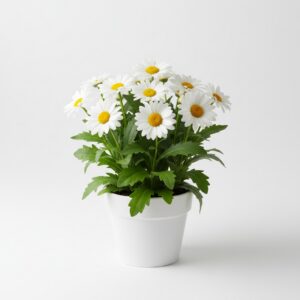
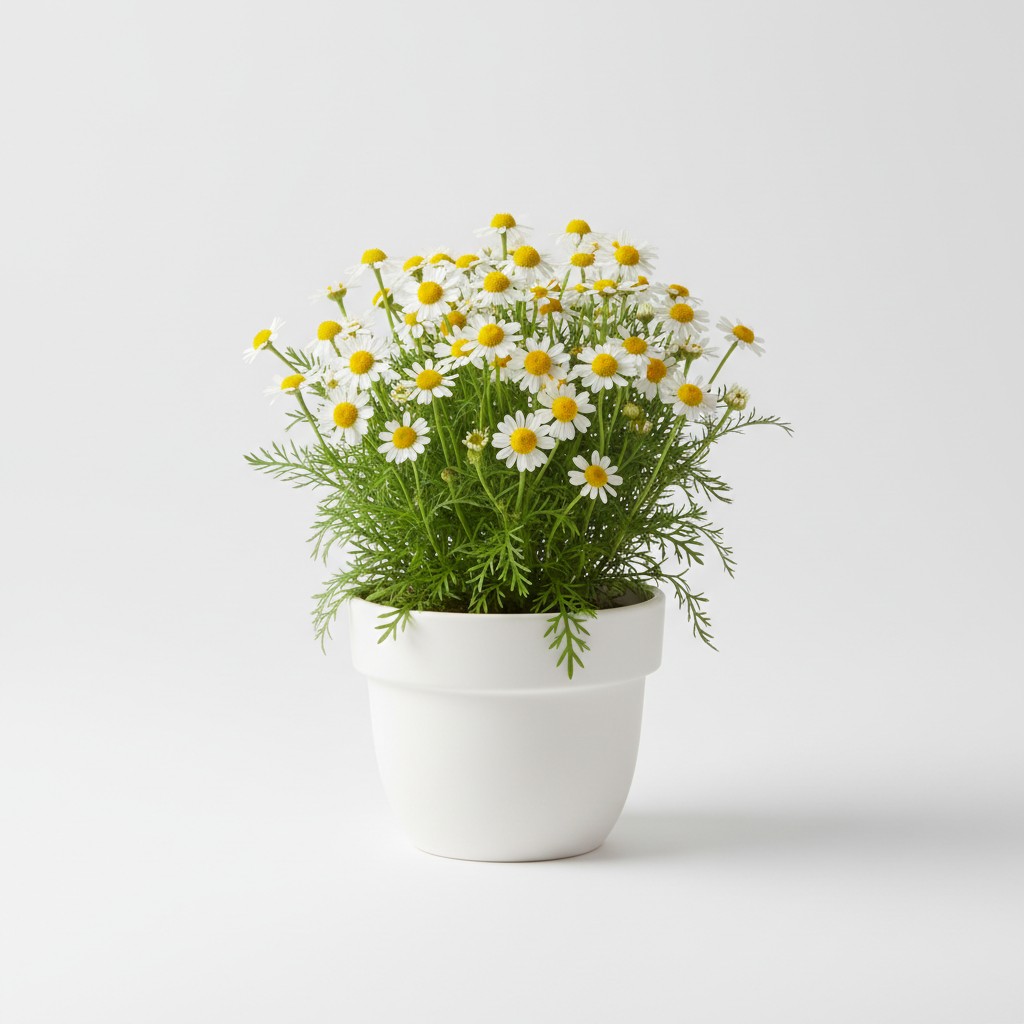
Chamomile is adored for its daisy-like flowers and calming fragrance. Its delicate blooms, usually white petals surrounding a yellow center, bring a touch of serene beauty to any garden or indoor space. Beyond aesthetics, Chamomile is prized for its medicinal properties, particularly its relaxing and soothing effects. Many cultivate it to brew calming teas or use in aromatherapy.
Plant lovers appreciate Chamomile's relatively easy care requirements and its ability to attract pollinators. Its cheerful presence and the potential to harvest its flowers for various uses make it a rewarding and versatile plant to grow. The subtle apple-like scent it releases when brushed against is also a delightful bonus, enhancing the overall sensory experience of having Chamomile in your home or garden.
The Story
Chamomile boasts a rich history stretching back to ancient civilizations. Native to Europe and parts of Asia, it has naturalized in many regions worldwide. Egyptians revered it for its medicinal properties and used it in embalming processes. Greeks and Romans also recognized its therapeutic value and employed it to treat various ailments.
Throughout history, Chamomile has been associated with relaxation, tranquility, and healing. It was often used in traditional folk medicine for its anti-inflammatory, antiseptic, and sedative effects. In the Middle Ages, it was a popular strewing herb, releasing its fragrance when walked upon. Today, Chamomile remains a beloved herb, cultivated for its calming tea, essential oil, and ornamental appeal, carrying a legacy of well-being across cultures and centuries.
Complete Care Guide
Chamomile thrives in well-draining soil and prefers full sun to partial shade, needing at least 6 hours of sunlight daily for optimal blooming. Water regularly, allowing the soil to dry slightly between waterings, especially during the growing season. Avoid overwatering, which can lead to root rot. Fertilize lightly every 2-4 weeks during the blooming period with a balanced liquid fertilizer diluted to half strength.
Deadhead spent flowers to encourage continued blooming. Chamomile benefits from regular pruning to maintain its shape and prevent legginess. Provide adequate air circulation to prevent fungal diseases. In colder climates, protect Chamomile from frost or consider growing it in containers that can be brought indoors. Monitor for pests like aphids and spider mites and treat promptly.
Light Requirements
Chamomile needs ample sunlight to thrive and produce abundant blooms. Ideally, it should receive at least 6 hours of direct sunlight per day. In hotter climates, providing some afternoon shade can prevent the plant from scorching. Insufficient light can result in leggy growth, reduced flowering, and a weaker plant overall.
When growing Chamomile indoors, place it near a sunny window, preferably a south-facing one. If natural light is limited, supplement with grow lights. Rotate the plant regularly to ensure even light exposure on all sides. Observing the plant's growth habit will indicate whether it's receiving adequate light; if the stems are stretching towards the light source, it needs more illumination.
Seasonal Care
Spring
In spring, begin fertilizing Chamomile to encourage new growth. Prune any dead or damaged growth from winter. Sow seeds or transplant seedlings. Ensure adequate sunlight and water as temperatures rise.
Summer
During summer, water Chamomile regularly, especially during hot and dry periods. Deadhead spent flowers to promote continued blooming. Provide afternoon shade in hotter climates. Monitor for pests and diseases.
Fall
In fall, reduce watering and fertilization. Prune back the plant to prepare for winter. Collect seeds for propagation. Protect from frost in colder climates with mulch or by bringing container plants indoors.
Winter
In winter, Chamomile may go dormant. Water sparingly and protect from frost. If grown indoors, provide adequate light and maintain moderate temperatures. Avoid fertilizing during dormancy.
The Life of Your Chamomile
Seedling / Juvenile
During the seedling stage, ensure consistent moisture and adequate light. Use a well-draining seed-starting mix and provide gentle bottom watering to prevent damping off. Gradually acclimate seedlings to outdoor conditions before transplanting.
Adolescent
As Chamomile develops, increase watering frequency and begin light fertilization. Prune lightly to encourage bushier growth. Monitor for pests and diseases. Ensure adequate spacing between plants for proper air circulation.
Mature
During the blooming period, water regularly and fertilize every 2-4 weeks. Deadhead spent flowers to promote continued blooming. Harvest flowers for tea or other uses. Provide support if the plant becomes top-heavy.
Established
After the blooming season, reduce watering and fertilization. Prune back the plant to maintain its shape and encourage future growth. Consider dividing the plant to propagate new plants. Protect from frost in colder climates.
Propagation Guide
Chamomile can be propagated through division, stem cuttings, and seeds. Division is best done in spring or fall by carefully separating the root ball and replanting the divisions. For stem cuttings, take 4-6 inch cuttings from healthy stems, remove the lower leaves, and root them in water or well-draining soil. Keep the soil consistently moist until roots develop.
While keiki propagation is not applicable to Chamomile, seed propagation is another option. Sow seeds directly into the garden in spring or start them indoors 6-8 weeks before the last frost. Keep the soil moist and provide adequate light for germination. Transplant seedlings after the last frost.
Expert Knowledge
Chamomile’s essential oil composition varies depending on the species and growing conditions, influencing its therapeutic properties. Roman Chamomile (Chamaemelum nobile) is a creeping perennial, while German Chamomile (Matricaria chamomilla) is an annual that self-seeds readily.
To maximize essential oil content, harvest flowers in the early morning after the dew has dried. Drying Chamomile flowers properly is crucial to preserve their aroma and medicinal properties; air-dry them in a cool, dark, well-ventilated place. Consider companion planting with herbs like basil or mint to deter pests.
Troubleshooting
Yellow leaves
Yellow leaves can indicate overwatering, underwatering, nutrient deficiency, or pest infestation. Check soil moisture, adjust watering accordingly, fertilize, and inspect for pests.
Brown leaf edges
Brown leaf edges often result from dry air, inconsistent watering, or fertilizer burn. Increase humidity, water consistently, and dilute fertilizer.
Drooping leaves
Drooping can be caused by underwatering, overwatering, or root rot. Check soil moisture, adjust watering, and ensure proper drainage.
Root rot
Root rot is caused by overwatering and poor drainage. Improve drainage, allow soil to dry between waterings, and treat with a fungicide if necessary.
Pests
Aphids, spider mites, and whiteflies can infest Chamomile. Treat with insecticidal soap, neem oil, or introduce beneficial insects.
Frequently Asked Questions
What are the ideal light conditions?
Chamomile thrives in full sun (6+ hours) to partial shade.
How often should I water?
Water when the top inch of soil feels dry. Avoid overwatering.
When should I repot?
Repot in spring if root-bound, using well-draining soil.
Is it toxic to pets?
Chamomile is generally considered non-toxic to pets and children.
How big will it grow?
Chamomile typically grows 6-24 inches tall indoors.
Can I propagate at home?
Yes, Chamomile can be propagated by seed, division, or cuttings.