
Why You'll Love It
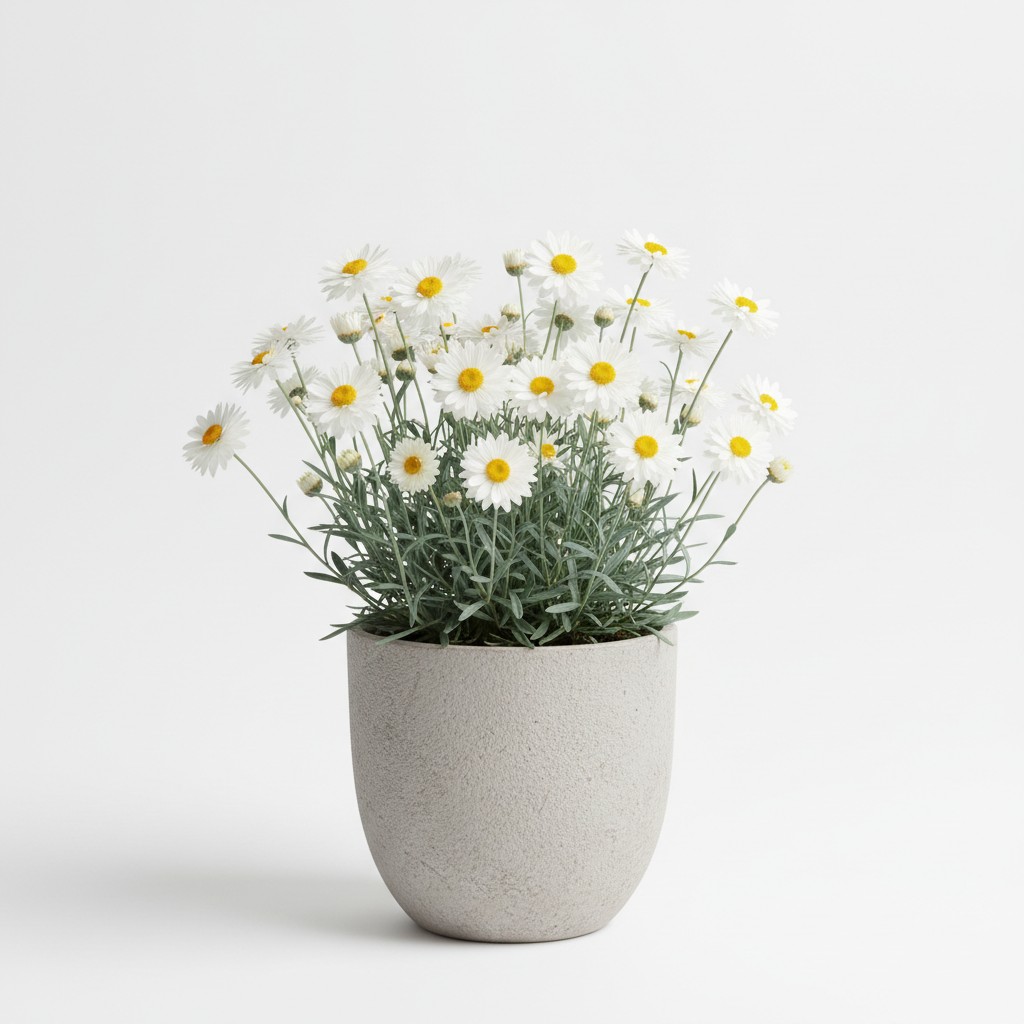
Paper Daisies, also known as Strawflowers, captivate with their unique, papery petals that come in a vibrant array of colors, from sunny yellows and oranges to delicate pinks and whites. Their long-lasting blooms retain their color and shape even when dried, making them a favorite for dried flower arrangements and crafts. Gardeners adore them for their cheerful appearance and ability to attract pollinators like bees and butterflies. They bring a touch of whimsy and enduring beauty to any garden or floral display. Their easy-to-grow nature and drought tolerance make them a rewarding choice for both beginner and experienced plant enthusiasts. The flowers’ ability to seemingly ‘crackle’ when touched adds an extra sensory delight. Paper Daisies offer a long blooming season, providing continuous color throughout the warmer months.
The Story
Paper Daisies, primarily belonging to the genus Xerochrysum, are native to Australia, where they thrive in diverse habitats, from arid deserts to coastal regions. Historically, indigenous Australians have utilized various parts of the plant for medicinal purposes and as a source of food. European botanists began documenting and cultivating these plants in the 18th century, leading to their spread across the globe as ornamental plants. The name "Strawflower" comes from the dry, papery texture of the bracts surrounding the flower heads. In some cultures, the flowers symbolize lasting affection and are often incorporated into bouquets to represent enduring love. Their resilience and ability to retain their beauty even when dried have made them a symbol of remembrance and longevity.
Complete Care Guide
Paper Daisies require full sun for at least 6-8 hours daily to thrive and produce abundant blooms. Well-draining soil is crucial to prevent root rot; a sandy loam mix is ideal. Water thoroughly when the top inch of soil feels dry, avoiding overwatering. Fertilize monthly during the growing season with a balanced, diluted liquid fertilizer to encourage flowering. Deadhead spent blooms regularly to promote continuous blooming. Provide good air circulation to prevent fungal diseases. In cooler climates, treat them as annuals or bring them indoors for overwintering. Prune back leggy growth to maintain a compact shape. Monitor for pests like aphids and spider mites, and treat promptly. Mulch around the base of the plant to retain moisture and suppress weeds.
Light Requirements
Paper Daisies demand ample sunlight to flourish. Ideally, they should receive at least 6-8 hours of direct sunlight each day. Inadequate light can result in leggy growth, reduced flowering, and pale foliage. When grown indoors, place them near a south-facing window where they can receive maximum light exposure. If natural light is insufficient, supplement with grow lights to ensure they receive the necessary intensity. Rotate the plant regularly to ensure even light exposure on all sides. Insufficient light will cause the plant to stretch towards the light source, resulting in a weak and unattractive plant.
Seasonal Care
Spring
In spring, prepare the soil by amending it with compost or other organic matter. Sow seeds directly into the garden or transplant seedlings. Water regularly and fertilize monthly with a balanced fertilizer. Monitor for pests and diseases.
Summer
During summer, ensure the plant receives adequate sunlight and water. Deadhead spent flowers regularly to encourage continuous blooming. Provide support if needed to prevent stems from breaking. Monitor for pests and diseases.
Fall
In fall, reduce watering and fertilization. Collect seeds from dried flower heads for propagation next year. Cut back the plant in preparation for winter. Mulch around the base of the plant to protect the roots.
Winter
In cooler climates, bring the plant indoors for overwintering. Reduce watering significantly. Provide adequate light. Monitor for pests and diseases. In warmer climates, the plant may continue to bloom sporadically.
The Life of Your Paper Daisy
Seedling / Juvenile
Start seeds indoors 6-8 weeks before the last expected frost. Use a well-draining seed starting mix. Keep the soil consistently moist but not waterlogged. Provide ample light, either natural or artificial, to prevent leggy growth. Harden off seedlings gradually before transplanting them outdoors.
Adolescent
As the plant grows, provide support if needed, especially for taller varieties. Continue to water regularly, allowing the soil to dry slightly between waterings. Fertilize monthly with a balanced fertilizer to encourage healthy growth and bud development. Monitor for pests and diseases.
Mature
During the blooming period, deadhead spent flowers regularly to encourage continuous flowering. Ensure the plant receives adequate sunlight and water. Continue to fertilize monthly to support the plant's energy needs. Provide support if necessary to prevent stems from breaking.
Established
After the blooming season, reduce watering and fertilization. In cooler climates, cut back the plant and bring it indoors for overwintering. In warmer climates, prune back the plant to encourage new growth in the spring. Monitor for pests and diseases.
Propagation Guide
Paper Daisies are most commonly propagated from seeds. Sow seeds directly into the garden in spring after the last frost, or start them indoors 6-8 weeks earlier. Division is possible but less common, best done in spring by carefully separating the root clump and replanting. Stem cuttings are also possible; take a 4-6 inch cutting from new growth, remove the lower leaves, dip the cut end in rooting hormone, and plant in moist potting mix. Keep the cutting in a humid environment until roots develop, typically in a few weeks. Keiki propagation is not applicable to Paper Daisies as they do not produce keikis.
Expert Knowledge
To encourage bushier growth, pinch back young plants early in the season. Paper Daisies are relatively drought-tolerant once established, but regular watering is still necessary for optimal flowering. They thrive in slightly acidic soil. Avoid overhead watering to prevent fungal diseases. Rotate crops annually to prevent soilborne diseases. Consider companion planting with herbs like basil or rosemary to deter pests. The flowers are excellent for cutting and drying.
Troubleshooting
Yellow leaves
Yellow leaves can indicate overwatering, poor drainage, or nutrient deficiencies. Allow the soil to dry out between waterings. Ensure the pot has adequate drainage holes. Fertilize with a balanced fertilizer to address nutrient deficiencies.
Brown leaf edges
Brown edges on leaves often suggest underwatering, low humidity, or fertilizer burn. Increase watering frequency. Increase humidity around the plant by misting or using a humidifier. Reduce fertilizer concentration.
Drooping leaves
Drooping can be caused by underwatering, overwatering, or root rot. Check the soil moisture and adjust watering accordingly. Ensure the pot has adequate drainage. Inspect the roots for signs of rot.
Root rot
Root rot is caused by overly wet conditions and poor drainage. Improve drainage by repotting into a well-draining mix. Remove any affected roots. Apply a fungicide if necessary.
Pests
Pests like aphids and spider mites can infest Paper Daisies. Treat infestations with insecticidal soap or neem oil. Regularly inspect the plant for signs of pests. Provide good air circulation to deter pests.
Frequently Asked Questions
What are the ideal light conditions?
Paper Daisies need at least 6-8 hours of direct sunlight daily.
How often should I water?
Water thoroughly when the top inch of soil feels dry. Avoid overwatering.
When should I repot?
Repot in spring if the plant is root-bound, using well-draining soil.
Is it toxic to pets?
Paper Daisies are generally considered non-toxic to pets and children.
How big will it grow?
Paper Daisies can grow 1-3 feet tall and 1-2 feet wide indoors.
Can I propagate at home?
Yes, Paper Daisies can be propagated from seeds or stem cuttings.


