Why You'll Love It
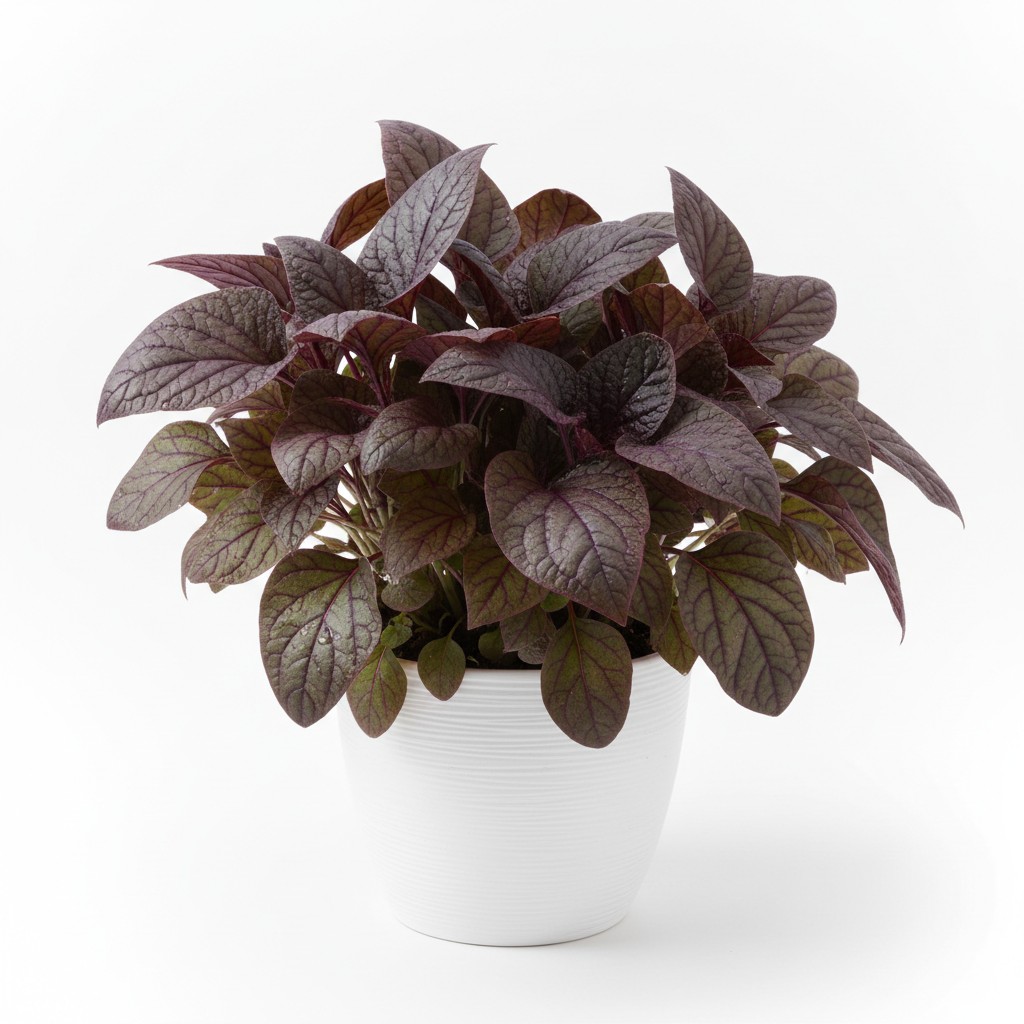
Orach, also known as Mountain Spinach, is a delightful addition to any garden or even a container on your patio. Its beauty lies not only in its vibrant, colorful foliage, which comes in shades of green, red, and purple, but also in its versatility. It's an edible plant, adding a slightly salty, spinach-like flavor to salads and cooked dishes.
Plant lovers appreciate Orach for its ease of growth and adaptability. It's a relatively low-maintenance plant that can tolerate a range of conditions, making it suitable for both beginner and experienced gardeners. The striking colors of the leaves provide visual interest throughout the growing season, and its ability to self-seed ensures a continuous supply of this unique vegetable. It's a stunning and useful plant.
The Story
Orach (Atriplex hortensis) boasts a rich history, originating in Eurasia. It has been cultivated for centuries, dating back to ancient times, with evidence suggesting its use as a food source in ancient Greece and Rome. Historically, Orach was more widely consumed than spinach, before the latter gained popularity.
Its natural habitat includes coastal areas and salt marshes, contributing to its tolerance for slightly salty conditions. Orach spread throughout Europe and eventually to other parts of the world, becoming naturalized in many regions. Culturally, Orach has been valued for its nutritional properties and ease of cultivation, making it a staple in many traditional diets. It's also been used medicinally.
Complete Care Guide
Orach is a relatively easy plant to care for, thriving in full sun to partial shade. It prefers well-draining soil and regular watering, especially during hot, dry periods. Fertilize every few weeks with a balanced fertilizer to encourage healthy growth.
Deadhead spent flowers to promote continued leaf production. Orach is relatively pest and disease resistant, but keep an eye out for aphids or other common garden pests. Harvest leaves regularly for consumption, as this will also encourage the plant to produce more foliage. Orach can tolerate light frost, but it's best to protect it from prolonged freezing temperatures. Provide support if the plant becomes too tall and leggy.
Light Requirements
Orach thrives in full sun, requiring at least 6 hours of direct sunlight per day. However, it can also tolerate partial shade, especially in hotter climates. In areas with intense summer heat, providing some afternoon shade can prevent the leaves from scorching.
If growing Orach indoors, place it near a sunny window, such as a south-facing window. Rotate the plant regularly to ensure even light exposure on all sides. Insufficient light can lead to leggy growth and reduced leaf color intensity. Supplemental lighting may be necessary during the winter months or in areas with limited sunlight.
Seasonal Care
Spring
In spring, sow Orach seeds directly into the garden after the last frost. Prepare the soil with compost and ensure good drainage. Water regularly and fertilize with a balanced fertilizer.
Summer
During the summer, provide Orach with regular watering, especially during hot, dry periods. Protect plants from intense afternoon sun in hotter climates. Harvest leaves regularly to encourage continued production.
Fall
In the fall, allow some Orach plants to flower and produce seeds for future planting. Collect seeds once they are dry. Cut back plants that have finished flowering.
Winter
Orach is an annual plant and will not survive the winter in most climates. Collect seeds for planting the following spring.
The Life of Your Orach
Seedling / Juvenile
Start Orach seeds indoors a few weeks before the last expected frost, or directly sow them outdoors after the danger of frost has passed. Provide consistent moisture and warm temperatures for germination. Once seedlings emerge, thin them to allow adequate spacing.
Adolescent
As Orach plants grow, provide regular watering and fertilization to support their development. Monitor for pests and diseases, and take action as needed. Stake or support the plants if they become tall and leggy.
Mature
Mature Orach plants will begin to produce flowers and seeds. Continue to provide regular watering and fertilization. Harvest leaves regularly to encourage continued leaf production. Allow some flowers to mature and produce seeds for future planting.
Established
After flowering, Orach plants will begin to decline. Allow the plants to self-seed if desired. Cut back the plants to encourage new growth. Collect seeds for future planting.
Propagation Guide
Orach is primarily propagated by seed.
1. Collect seeds from mature plants after the flowers have dried.
2. Sow seeds directly into the garden in spring or early summer after the last frost.
3. Alternatively, start seeds indoors 4-6 weeks before the last frost.
4. Plant seeds about 1/4 inch deep in well-draining soil.
5. Keep the soil consistently moist until germination, which usually occurs within 7-14 days.
6. Thin seedlings to allow adequate spacing between plants.
7. Ensure seedlings get plenty of sunlight.
While division isn't a common method for Orach, self-seeding often results in new plants appearing around the original.
Expert Knowledge
To maximize leaf production, pinch off the flower buds as they appear. This will encourage the plant to focus its energy on producing more foliage. Orach is a self-seeding plant, so if you want to control its spread, remove the flower heads before they mature. Companion planting with other vegetables can help to deter pests and improve growth. Orach can be grown in containers, making it suitable for small gardens or balconies. Rotate crops to prevent soil depletion.
Troubleshooting
Yellow leaves
Yellow leaves can indicate overwatering, nutrient deficiency, or pest infestation. Adjust watering practices, fertilize appropriately, and inspect for pests.
Brown leaf edges
Brown leaf edges are often a sign of underwatering, low humidity, or fertilizer burn. Adjust watering, increase humidity, and reduce fertilizer concentration.
Drooping leaves
Drooping can be caused by underwatering, heat stress, or root rot. Water thoroughly, provide shade during hot periods, and improve soil drainage.
Root rot
Root rot is caused by overwatering and poor drainage. Improve soil drainage, reduce watering frequency, and treat with a fungicide if necessary.
Pests
Pests such as aphids can infest Orach. Treat with insecticidal soap or neem oil.
Frequently Asked Questions
What are the ideal light conditions?
Orach thrives in full sun (6+ hours) but tolerates partial shade.
How often should I water?
Water Orach regularly, especially during dry periods.
When should I repot?
Orach is not typically repotted as it is an annual.
Is it toxic to pets?
Orach is generally considered non-toxic to pets and children.
How big will it grow?
Orach can grow 3-6 feet tall and 1-2 feet wide.
Can I propagate at home?
Yes, Orach is easily propagated from seeds.