
Why You'll Love It
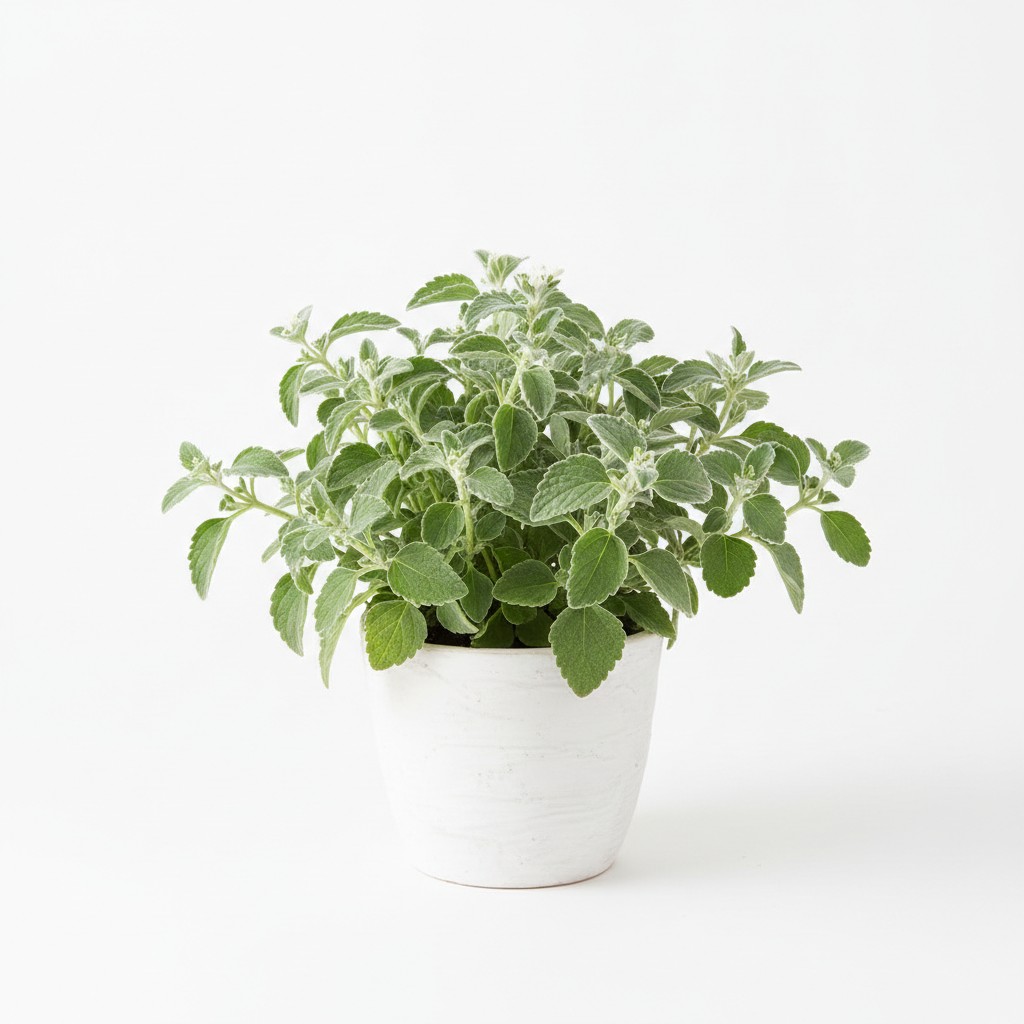
Horehound, with its subtly aromatic foliage and charming clusters of small, white flowers, is a delightful addition to any herb garden or sunny windowsill. Plant lovers adore Horehound for its ease of care, making it perfect for both beginner and experienced gardeners. Its historical medicinal uses add a layer of intrigue and appreciation. The plant's ability to attract pollinators, such as bees and butterflies, further enhances its appeal, bringing life and vibrancy to your garden. Horehound's drought tolerance and resilience also contribute to its popularity, ensuring a rewarding growing experience. The unique texture of its leaves and its compact growth habit make it a visually appealing plant. It brings a touch of old-world charm and practicality to any space.
The Story
Horehound (Marrubium vulgare) originates from Europe, North Africa, and Asia. It thrives in dry, sunny habitats like roadsides, fields, and waste areas. Its historical use dates back to ancient Egypt, where it was employed for medicinal purposes. The Romans further popularized its use, spreading it throughout their empire. In traditional medicine, Horehound has been used to treat coughs, colds, and other respiratory ailments. It was brought to North America by early European settlers, where it quickly naturalized. Culturally, Horehound has been associated with protection and healing. It was often included in herbal remedies and teas. The plant's name is believed to derive from the Old English "horehune," meaning "hoary plant," referring to its fuzzy, grayish-green leaves.
Complete Care Guide
Horehound thrives in well-draining soil and requires full sun for optimal growth and flowering. Water thoroughly when the top inch of soil feels dry, but avoid overwatering, as this can lead to root rot. Fertilize lightly in the spring with a balanced fertilizer to encourage healthy growth and abundant blooms. Prune regularly to maintain a compact shape and promote bushier growth. Horehound is relatively drought-tolerant once established. Ensure good air circulation to prevent fungal diseases. Protect from frost in colder climates by providing a sheltered location or bringing potted plants indoors. Monitor for pests such as aphids and spider mites and treat accordingly. A pH level of 6.5 to 7.5 is ideal for Horehound. Regularly check the soil quality and adjust as needed. Provide adequate spacing between plants to ensure good air circulation and prevent overcrowding.
Light Requirements
Horehound requires at least 6-8 hours of direct sunlight per day to thrive. Insufficient light can lead to leggy growth and reduced flowering. When growing indoors, place Horehound near a sunny window, preferably south-facing. If natural light is insufficient, supplement with artificial grow lights. Rotate the plant regularly to ensure even light exposure on all sides. Outdoor plants should be positioned in a location that receives full sun throughout the day. Shaded areas can result in weak, spindly growth. Consider the intensity of the sunlight in your region when selecting a planting location. In hotter climates, some afternoon shade may be beneficial.
Seasonal Care
Spring
In spring, prune back any dead or damaged growth. Fertilize with a balanced fertilizer to encourage new growth and flowering. Increase watering as temperatures rise. Monitor for pests and diseases.
Summer
During summer, ensure Horehound receives ample sunlight and consistent watering. Deadhead spent flowers to encourage further blooming. Provide shade during the hottest part of the day in extremely hot climates.
Fall
In fall, reduce watering frequency. Prune back the plant to prepare for winter. Mulch around the base of the plant to protect the roots from frost.
Winter
In winter, protect Horehound from frost by providing a sheltered location or bringing potted plants indoors. Water sparingly. Avoid fertilizing during the dormant period.
The Life of Your Horehound
Seedling / Juvenile
During the seedling stage, provide consistent moisture without overwatering. Ensure seedlings receive adequate light to prevent legginess. Gently fertilize with a diluted, balanced fertilizer to promote healthy root development. Transplant seedlings into larger pots once they have developed several sets of true leaves.
Adolescent
As Horehound develops, increase light exposure to full sun. Continue to water regularly, allowing the soil to dry slightly between waterings. Begin light pruning to encourage bushier growth. Monitor for any signs of pests or diseases and treat promptly.
Mature
During the blooming period, ensure Horehound receives ample sunlight and consistent watering. Deadhead spent flowers to encourage further blooming. Fertilize lightly to support flower production. Monitor for signs of stress due to heat or drought.
Established
After the blooming period, prune back the plant to maintain its shape and encourage new growth. Reduce watering frequency. Fertilize sparingly. Prepare for winter by providing a sheltered location or bringing potted plants indoors.
Propagation Guide
Horehound can be propagated easily through stem cuttings. Take 4-6 inch cuttings from healthy stems. Remove the lower leaves and dip the cut end in rooting hormone. Plant the cuttings in well-draining potting mix. Keep the soil moist and provide indirect light. Roots should develop within a few weeks. Alternatively, Horehound can be propagated by division. Carefully dig up the plant and separate the root ball into smaller sections. Replant each section in its own pot or in the garden. Horehound does not produce keiki.
Expert Knowledge
Horehound's essential oils contribute to its medicinal properties. The plant can be somewhat invasive in ideal conditions, so consider planting it in a container to control its spread. Regular pruning not only maintains shape but also enhances foliage density. Horehound benefits from soil amended with compost to improve drainage and nutrient content. Harvesting leaves for medicinal or culinary use is best done before the plant flowers to maximize flavor and potency.
Troubleshooting
Yellow leaves
Yellow leaves can indicate overwatering, nutrient deficiency, or pest infestation. Allow the soil to dry out between waterings. Fertilize with a balanced fertilizer. Inspect for pests and treat accordingly.
Brown leaf edges
Brown edges on leaves can be caused by dry air, inconsistent watering, or fertilizer burn. Increase humidity around the plant. Water more consistently. Reduce fertilizer concentration.
Drooping leaves
Drooping can be a sign of underwatering or root rot. Check the soil moisture and water thoroughly if dry. If the soil is waterlogged, check for root rot and improve drainage.
Root rot
Root rot is caused by overwatering and poor drainage. Repot the plant in fresh, well-draining soil. Remove any affected roots. Reduce watering frequency.
Pests
Aphids, spider mites, and whiteflies can infest Horehound. Treat with insecticidal soap or neem oil. Ensure good air circulation to prevent infestations.
Frequently Asked Questions
What are the ideal light conditions?
Horehound needs at least 6-8 hours of direct sunlight daily.
How often should I water?
Water Horehound when the top inch of soil feels dry.
When should I repot?
Repot Horehound in spring every 1-2 years.
Is it toxic to pets?
Horehound is generally considered non-toxic to pets and children.
How big will it grow?
Horehound typically grows 1-2 feet tall indoors.
Can I propagate at home?
Yes, Horehound can be propagated easily from stem cuttings.


