
Why You'll Love It
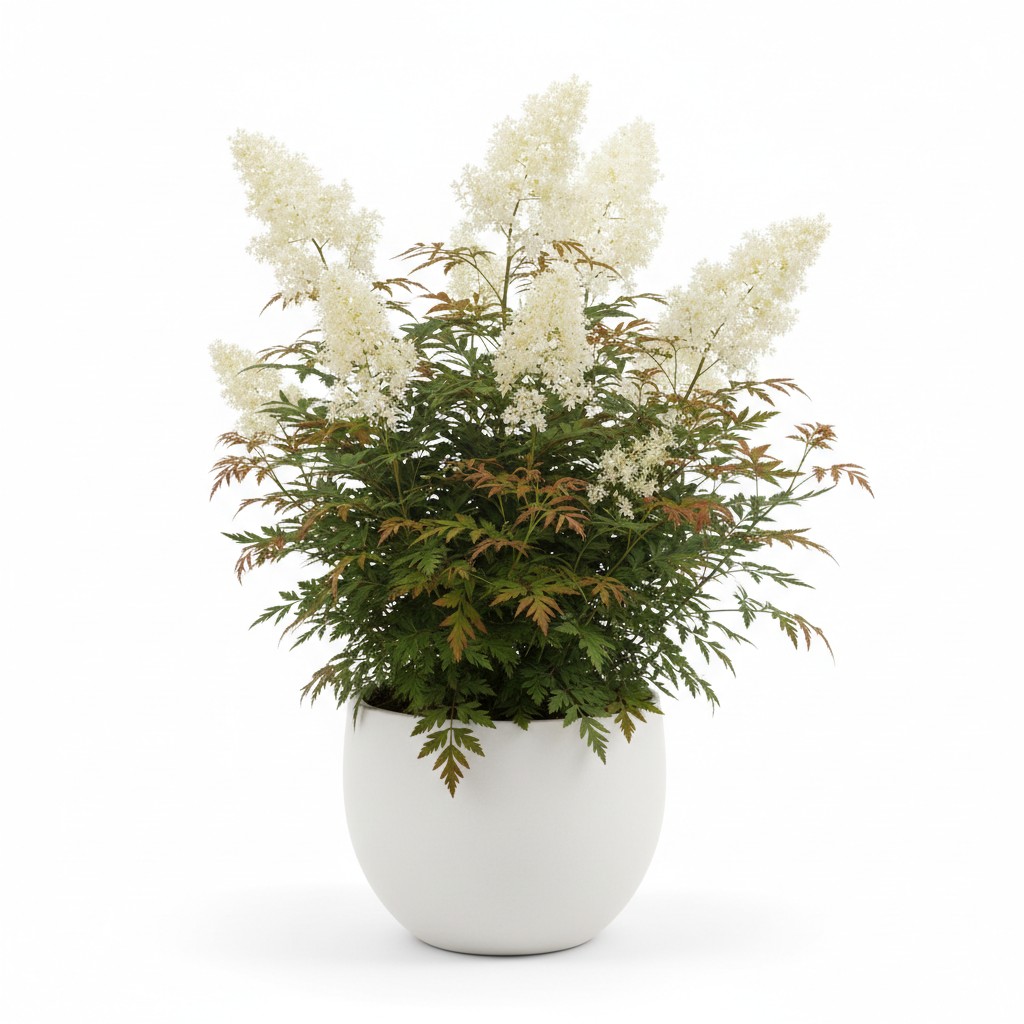
False Spirea, or Sorbaria sorbifolia, is a captivating deciduous shrub prized for its fern-like foliage and showy plumes of creamy white flowers. Plant lovers adore its resilience and adaptability to various conditions, making it a relatively low-maintenance yet visually striking addition to gardens and landscapes. The plant's textured leaves provide year-round interest, transitioning from bronze or reddish hues in spring to lush green in summer, and finally to vibrant shades of red and orange in the fall. The fragrant flowers attract pollinators like butterflies and bees, adding to its ecological value. Its ability to spread and create a dense ground cover makes it ideal for erosion control and naturalizing landscapes. Overall, False Spirea offers beauty, functionality, and ecological benefits, making it a beloved choice for gardeners of all levels.
The Story
False Spirea, scientifically known as Sorbaria sorbifolia, originates from northern Asia, specifically regions of Siberia, northern China, and Japan. Its natural habitat includes open woodlands, stream banks, and rocky slopes, where it thrives in moist, well-drained soils. The plant's introduction to Western gardens occurred in the 18th century, quickly gaining popularity for its ornamental appeal and adaptability. The name "False Spirea" reflects its resemblance to the Spirea genus, although it belongs to the Rosaceae family. While not deeply embedded in folklore, its presence in Asian gardens signifies resilience and natural beauty. Its historical use primarily revolves around ornamental landscaping, valued for its ability to naturalize and provide visual interest throughout the seasons. The plant continues to be appreciated for its low maintenance and ecological benefits.
Complete Care Guide
False Spirea thrives in well-drained soil and prefers full sun to partial shade, although full sun encourages the best flowering. Water regularly, especially during dry periods, aiming for consistently moist but not waterlogged soil. Fertilize in early spring with a balanced fertilizer to promote healthy growth and abundant blooms. Prune after flowering to remove spent flower heads and maintain shape. Mulch around the base of the plant to retain moisture and suppress weeds. Ensure good air circulation to prevent fungal diseases. Monitor for pests such as aphids and spider mites and treat as needed. Deadhead spent flowers to encourage reblooming. Provide winter protection in colder climates, such as mulching around the base.
Light Requirements
False Spirea thrives best in full sun, which means at least six hours of direct sunlight per day. However, it can also tolerate partial shade, especially during the hottest part of the day. In warmer climates, providing some afternoon shade can prevent leaf scorch. When planting, choose a location that receives ample sunlight to encourage abundant flowering and vibrant foliage color. Insufficient light can result in leggy growth, reduced flowering, and dull foliage. Observe the plant's growth habit and adjust its location if necessary. Rotating the plant periodically can ensure even light exposure.
Seasonal Care
Spring
In spring, fertilize with a balanced fertilizer to promote new growth. Prune any dead or damaged branches. Monitor for pests and diseases. Ensure adequate watering as the weather warms up.
Summer
During summer, water regularly, especially during dry periods. Provide afternoon shade in hotter climates. Deadhead spent flowers to encourage reblooming. Monitor for pests and diseases.
Fall
In fall, reduce watering as the weather cools. Apply a layer of mulch around the base of the plant to protect the roots during winter. Clean up any fallen leaves and debris.
Winter
During winter, protect the plant from harsh conditions by mulching around the base. Avoid pruning during the winter months. Water sparingly, only when the soil is dry to the touch.
The Life of Your False Spirea
Seedling / Juvenile
During the seedling stage, focus on providing consistent moisture and protection from harsh sunlight. Ensure the young plant receives well-draining soil to prevent root rot. Fertilize sparingly with a diluted, balanced fertilizer to encourage healthy root development.
Adolescent
As the False Spirea matures, gradually increase its exposure to sunlight. Continue to water regularly, especially during dry spells. Monitor for pests and diseases, and address any issues promptly. Prune lightly to shape the plant and encourage branching.
Mature
During the blooming period, ensure the plant receives adequate water and sunlight. Fertilize with a bloom-boosting fertilizer to promote abundant flowers. Deadhead spent flowers to encourage reblooming and prevent seed formation.
Established
After flowering, prune the plant to remove spent flower heads and maintain its shape. Reduce watering slightly and continue to monitor for pests and diseases. Apply a layer of mulch around the base of the plant to retain moisture and suppress weeds.
Propagation Guide
False Spirea can be propagated through division, stem cuttings, or root cuttings.
1. Division: In early spring or fall, carefully dig up the plant and divide the root ball into smaller sections, each with healthy roots and shoots. Replant the divisions in well-drained soil.
2. Stem Cuttings: Take softwood cuttings in late spring or early summer. Dip the cut end in rooting hormone and plant in a moist potting mix. Keep the cuttings in a humid environment until roots develop.
3. Root Cuttings: In late fall or early winter, take root cuttings from the plant. Place the cuttings horizontally in a tray of moist sand or potting mix. Keep the tray in a cool, dark place until roots and shoots emerge. Then, transplant the new plants into individual pots.
Expert Knowledge
False Spirea's suckering habit allows it to spread and form colonies, making it an excellent choice for erosion control or naturalizing landscapes. However, this characteristic also means it can become invasive in some areas, so consider its placement carefully. Regular pruning can help control its spread and maintain its desired shape. Different cultivars offer variations in foliage color and plant size, so choose one that suits your specific needs and preferences. While relatively low-maintenance, providing optimal growing conditions will result in the most vibrant foliage and abundant blooms.
Troubleshooting
Yellow leaves
Yellow leaves can indicate overwatering, nutrient deficiency, or pest infestation. Check soil drainage and adjust watering accordingly. Fertilize with a balanced fertilizer. Inspect for pests and treat with appropriate insecticide.
Brown leaf edges
Brown leaf edges often result from underwatering, dry air, or fertilizer burn. Increase watering frequency and consider increasing humidity. Flush the soil to remove excess salts from over-fertilizing.
Drooping leaves
Drooping can be caused by underwatering, heat stress, or root rot. Water thoroughly, provide shade during the hottest part of the day, and ensure good soil drainage to prevent root rot.
Root rot
Root rot is typically caused by overwatering and poor soil drainage. Improve drainage by amending the soil with perlite or sand. Allow the soil to dry out between waterings. Treat with a fungicide if necessary.
Pests
Common pests include aphids and spider mites. Treat infestations with insecticidal soap or neem oil. Ensure good air circulation to prevent pest problems. Regularly inspect the plant for signs of infestation.
Frequently Asked Questions
What are the ideal light conditions?
False Spirea thrives in full sun (6+ hours) to partial shade. Full sun encourages abundant flowering and vibrant foliage.
How often should I water?
Water False Spirea regularly, especially during dry periods. Keep the soil consistently moist but not waterlogged.
When should I repot?
Repotting is typically unnecessary as False Spirea is usually grown outdoors. If grown in a container, repot every 2-3 years in spring.
Is it toxic to pets?
False Spirea is generally considered non-toxic to pets and children. However, ingestion may cause mild stomach upset.
How big will it grow?
False Spirea typically grows 4-8 feet tall and wide. Growth size is for outdoor planting.
Can I propagate at home?
Yes, False Spirea can be propagated through division, stem cuttings, or root cuttings.


