
Why You'll Love It
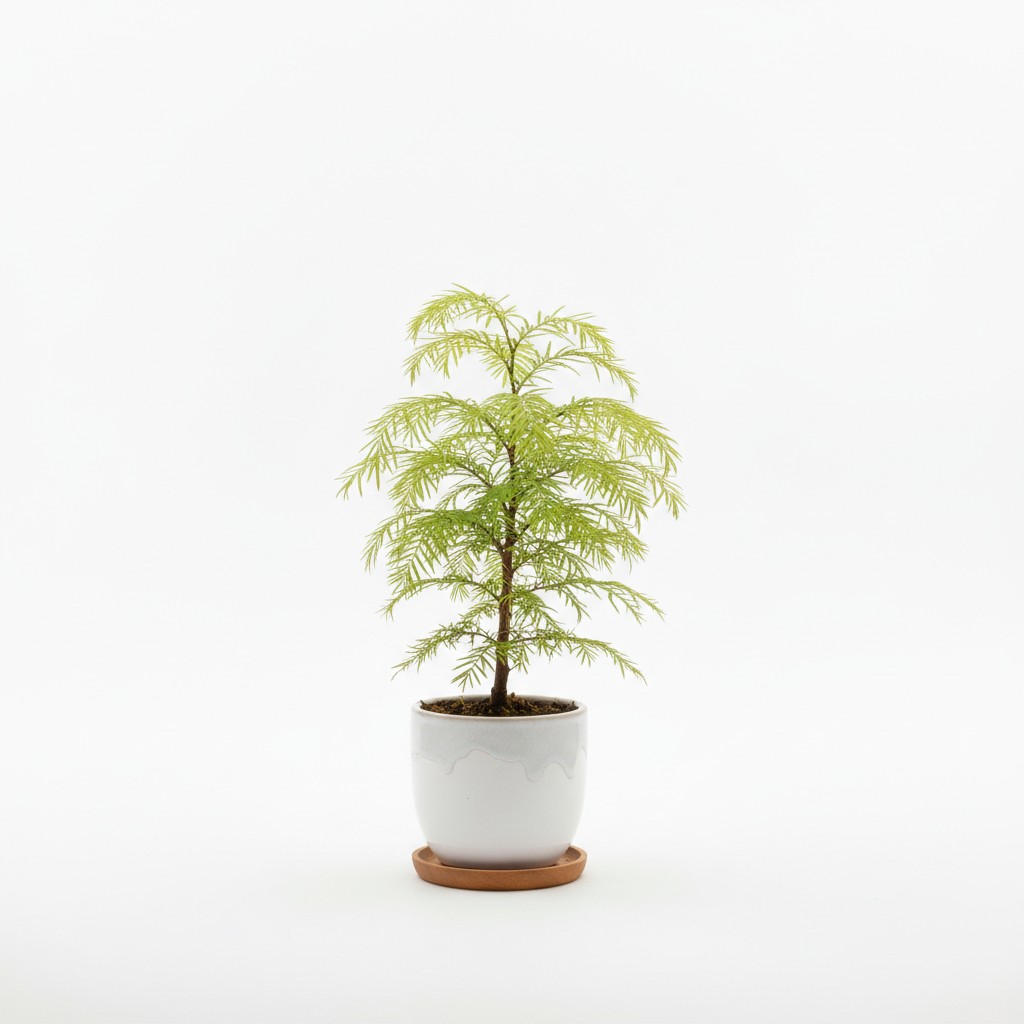
The Dawn Redwood, even in its indoor miniature form, is a living fossil that connects us to a prehistoric world. Its feathery, deciduous needles offer a unique and delicate texture, transforming from vibrant green in spring and summer to a breathtaking reddish-bronze in autumn before falling. This seasonal change provides a dynamic and captivating display, making it a truly engaging plant to observe. Plant lovers adore its graceful form, its resilience, and the sense of history it embodies. Its adaptability to indoor life, when given proper care, allows even those with limited outdoor space to enjoy the beauty of a majestic tree within their homes. The Dawn Redwood offers a tranquil, natural aesthetic that complements any interior decor, bringing a touch of the forest indoors.
The Story
The Dawn Redwood (Metasequoia glyptostroboides) was once thought to be extinct, known only from fossil records. Astonishingly, a living population was discovered in China in the 1940s, making it a true "living fossil." Native to the Sichuan-Hubei region of China, it thrives in moist, temperate climates. Seeds were brought to the West shortly after its rediscovery, quickly gaining popularity as an ornamental tree. The Dawn Redwood holds cultural significance in China, representing resilience and longevity. Its rediscovery sparked immense interest in botany and conservation, highlighting the importance of preserving biodiversity. Today, it is a celebrated tree worldwide, symbolizing hope and the enduring power of nature. Its presence in gardens and homes serves as a reminder of the past and a promise for the future.
Complete Care Guide
Dawn Redwood thrives indoors with bright, indirect light. Water thoroughly when the top inch of soil feels dry, ensuring good drainage to prevent root rot. Maintain moderate humidity, especially during winter months. Fertilize sparingly during the growing season (spring and summer) with a balanced liquid fertilizer diluted to half strength. Repot every 2-3 years in spring, using a well-draining potting mix. Prune lightly to maintain shape and encourage bushier growth, ideally in late winter or early spring before new growth emerges. Ensure stable temperatures and avoid placing near drafts or heat sources. Rotate the plant regularly to ensure even light exposure. Monitor for pests and address promptly with appropriate treatments. Provide adequate air circulation. Consistent care and attention will result in a healthy and thriving indoor Dawn Redwood.
Light Requirements
Dawn Redwood requires bright, indirect light to thrive indoors. A location near an east- or west-facing window is ideal. Avoid direct sunlight, which can scorch the delicate needles. If natural light is insufficient, supplement with a grow light. Rotate the plant regularly to ensure all sides receive adequate light. Insufficient light can lead to leggy growth and pale foliage. During the winter months, when daylight hours are shorter, providing supplemental light is especially important. Observe the plant closely for signs of light stress, such as yellowing or browning needles. Adjust the plant's position accordingly to optimize light exposure.
Seasonal Care
Spring
In spring, repot if needed. Begin fertilizing with a balanced liquid fertilizer. Increase watering as the plant begins to grow. Prune lightly to shape the plant.
Summer
Maintain consistent watering. Provide adequate humidity. Protect from direct sunlight. Monitor for pests and diseases.
Fall
Reduce watering as growth slows. Allow the plant to prepare for dormancy. Observe the foliage as it changes color.
Winter
Reduce watering significantly. Provide bright, indirect light. Maintain moderate humidity. Avoid placing near heat sources.
The Life of Your Dawn Redwood
Seedling / Juvenile
Keep seedlings in a humid environment. Provide bright, indirect light. Water carefully to avoid overwatering. Use a well-draining potting mix. Monitor regularly for pests and diseases.
Adolescent
Increase pot size as needed. Continue to provide bright, indirect light. Fertilize sparingly during the growing season. Prune lightly to encourage branching.
Mature
Maintain consistent watering and fertilization schedule. Repot every 2-3 years. Prune to maintain shape and size. Monitor for pests and diseases.
Established
Established Dawn Redwood plants require less frequent repotting. Continue to provide consistent care. Monitor for signs of stress or decline.
Propagation Guide
Dawn Redwood can be propagated through stem cuttings or air layering. For stem cuttings, take a 4-6 inch cutting from new growth in spring. Remove the lower leaves and dip the cut end in rooting hormone. Plant the cutting in a well-draining potting mix and keep it consistently moist. Cover with a plastic bag to maintain humidity. For air layering, make a shallow cut on a branch and wrap it with moist sphagnum moss. Cover the moss with plastic wrap and secure it tightly. After several weeks, roots will form. Cut the branch below the roots and pot it up in a well-draining potting mix. Both methods require patience and consistent moisture. Success rates are higher with stem cuttings taken in spring.
Expert Knowledge
Dawn Redwood benefits from mimicking its natural environment as much as possible. Cool temperatures during winter dormancy are crucial for healthy growth in the spring. Avoid over-fertilizing, as this can lead to leggy growth. Pruning should be done strategically to maintain a balanced shape. Consider using a bonsai pot for smaller, indoor specimens. Regular monitoring for pests and diseases is essential. Proper air circulation is crucial to prevent fungal issues. Acclimatize gradually when moving the plant outdoors for the summer.
Troubleshooting
Yellow leaves
Yellow leaves can indicate overwatering, underwatering, or nutrient deficiency. Adjust watering schedule and fertilize if necessary. Check soil drainage.
Brown leaf edges
Brown edges are often caused by dry air or inconsistent watering. Increase humidity and ensure consistent watering. Avoid drafts.
Drooping leaves
Drooping can be a sign of underwatering or root rot. Check soil moisture and drainage. Adjust watering schedule accordingly.
Root rot
Root rot is caused by overwatering and poor drainage. Repot in fresh, well-draining soil. Remove any affected roots.
Pests
Common pests include spider mites and aphids. Treat with insecticidal soap or neem oil. Isolate affected plants to prevent spread.
Frequently Asked Questions
What are the ideal light conditions?
Dawn Redwood requires bright, indirect light. Avoid direct sunlight, which can scorch the needles.
How often should I water?
Water thoroughly when the top inch of soil feels dry. Ensure good drainage to prevent root rot.
When should I repot?
Repot every 2-3 years in spring. Use a well-draining potting mix. Choose a pot that is slightly larger than the previous one.
Is it toxic to pets?
Dawn Redwood is generally considered non-toxic to pets and children.
How big will it grow?
Indoors, Dawn Redwood typically grows to 3-6 feet tall, depending on pot size and care.
Can I propagate at home?
Yes, Dawn Redwood can be propagated at home through stem cuttings or air layering.


